Sourcing Metal Lathe Parts from overseas suppliers takes more than comparing prices. Buyers need components that match drawings, fit existing assemblies, and perform consistently under real operating conditions. A shaft may look correct in a catalogue photo, yet a small tolerance difference can cause vibration or premature wear. Details matter.
This guide introduces ten suppliers for global buyers to consider, with attention to product range, machining capabilities, materials, surface finishes, quality checks, and export experience. These factors can help narrow a shortlist, but they do not replace direct verification. Ask for current technical data, sample parts, inspection records, and clear quotations before placing a production order. A responsive sales contact is useful; documented process control is better.
Supplier suitability depends on the job. A buyer ordering a standard spindle has different needs from one specifying a custom gear or threaded component. Confirm drawing revisions, tolerances, packaging, lead times, and shipping terms in writing. Where possible, compare samples against the same inspection criteria. This takes time. It can also reveal gaps that a polished website may not show. No supplier list stays perfect as capabilities and service change, so treat these names as a starting point, not a final endorsement. Careful checks make cross-border sourcing more predictable and help protect product quality.
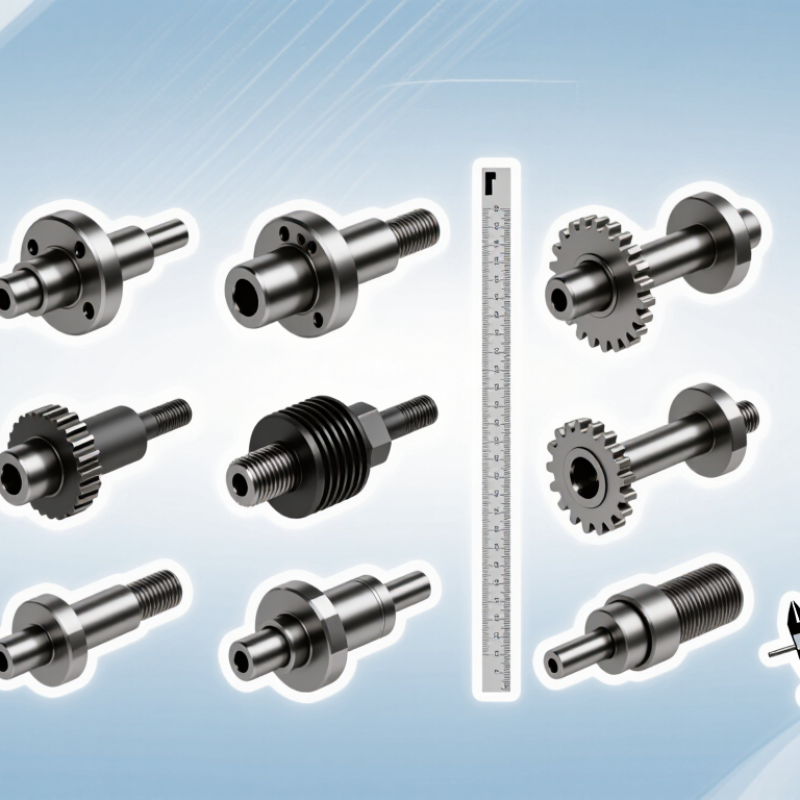
China’s metal lathe parts supply industry serves buyers needing both standard components and made-to-drawing parts. Its supplier base includes small workshops and larger factories with dedicated machining and inspection teams. Common products include shafts, bushings, threaded fittings, and precision sleeves. Materials and finishes vary, so a part that looks simple may need careful process control.
For global buyers comparing ten potential suppliers, capability matters more than a polished catalog. A clear drawing should specify material, critical dimensions, tolerances, and surface finish. Ask for evidence. Request inspection records and material documentation for the actual production batch, not just a sample. Photos can help, but they cannot confirm concentricity or thread accuracy. Small details matter.
Check how each supplier handles revisions, rejected parts, and production changes. A short technical discussion can reveal whether the team understands your drawing or is merely quoting it. Confirm lead times against material availability and inspection requirements. Price alone can be misleading; a low quote may exclude finishing or extra checks. Even a capable supplier can misunderstand an unclear specification, so buyers should review sample parts before approving repeat orders.
This is an industry-oriented comparison of ten common supplier capability profiles, not a verified ranking of individual companies. Capabilities vary by factory and order; confirm specifications, certifications, capacity, and lead times directly with each prospective supplier.
| No. | Supplier Profile | Typical Parts and Processes | Materials Commonly Offered | Best Suited For | Key Sourcing Considerations | Evidence to Request |
|---|---|---|---|---|---|---|
| 1 | Precision CNC Turning Specialist | Turned shafts, pins, bushings, sleeves, and threaded components; CNC turning and secondary finishing. | Commonly specified metals include carbon and alloy steels, stainless steels, aluminum alloys, brass, and copper alloys. | Buyers needing repeatable turned parts with defined dimensions and surface finishes. | Check drawing interpretation, tolerance capability for the specific geometry, material traceability, and inspection method. | First-article inspection report, dimensional records, material certificates where required, and sample parts. |
| 2 | Turn-Mill Machining Supplier | Parts combining turning with milling, drilling, cross-holes, flats, or other features completed in fewer setups. | Material availability depends on the machine setup and job; confirm the exact grade and condition before ordering. | Components with several machined features that benefit from consolidated operations. | Ask which features can be completed in one setup and how critical dimensions are controlled between operations. | Process plan, capability review for critical features, inspection report, and production sample. |
| 3 | Bar-Fed Production Machining Supplier | High-volume, small-to-medium diameter turned parts produced from bar stock, often with automated feeding. | Grades suitable for the required bar-stock size and machining process; confirm stock form and material availability. | Repeat orders for relatively consistent parts and production schedules. | Evaluate minimum order quantities, raw-material sourcing, setup economics, and controls for long production runs. | Production control plan, sample inspection data, material documentation, and capacity confirmation for the requested schedule. |
| 4 | Short-Run and Prototype Machining Supplier | Prototype and low-volume turned parts, design iterations, and small batches made to customer drawings. | Material options depend on available stock and the project specification. | Product development, initial validation, replacement parts, and low-volume purchasing. | Clarify whether quoted pricing includes programming, tooling, finishing, and revisions to the drawing. | Prototype inspection results, quotation assumptions, material identification, and a documented revision history. |
| 5 | Integrated Turning and Milling Supplier | Lathe parts with additional milling, drilling, tapping, or machining operations, coordinated within one supply chain. | Metal grades specified by the buyer and supported by the supplier’s equipment and sourcing arrangements. | Buyers seeking fewer production handoffs for multi-feature components. | Confirm which operations are performed in-house and which are subcontracted, including responsibility for final inspection. | Process-flow chart, subcontractor controls if applicable, inspection plan, and representative finished parts. |
| 6 | Large-Part Turning Supplier | Large-diameter or longer turned components, subject to machine capacity, workholding, and part geometry. | Material choice is project-specific and should be confirmed against machine capacity and the required stock dimensions. | Industrial equipment, machinery, and other applications involving larger turned components. | Verify maximum workable diameter and length for the actual part, lifting arrangements, runout control, and shipping requirements. | Machine-capacity details, measurement records for critical dimensions, material records, and packaging proposal. |
| 7 | Stainless-Steel Machining Supplier | Turned stainless components, including threaded fittings, shafts, sleeves, and parts requiring corrosion resistance. | Stainless-steel grades should be selected and verified to match the application and drawing requirements. | Applications where corrosion resistance, cleanliness, or specified stainless grades matter. | Specify the exact grade and condition; discuss contamination prevention, tool practices, passivation, and finish requirements where relevant. | Material test documentation, process records for requested finishing, and inspection results for the supplied batch. |
| 8 | Brass and Copper-Alloy Turning Supplier | Turned connectors, bushings, inserts, fittings, and other components made from copper-based alloys. | Brass and other copper alloys, subject to the specified grade and applicable requirements. | Electrical, fluid-handling, and general engineering components designed for copper-alloy materials. | Confirm alloy composition, applicable regulatory requirements, chip handling, and any plating or finishing specification. | Material certificates or test results as required, finish documentation, and dimensional inspection records. |
| 9 | Secondary-Finishing Coordination Supplier | Turned parts supplied with specified finishing operations such as plating, coating, heat treatment, or deburring when available. | Base materials depend on the component design; finishing compatibility must be checked for the selected material. | Buyers who need machined parts delivered with specified post-processing. | Establish coating or treatment specifications, dimensional allowances, subcontracting responsibility, and acceptance criteria. | Finishing certificates where applicable, coating or treatment inspection results, and final post-process measurements. |
| 10 | Export-Oriented Machining Supplier | Custom-turned components supported by export packaging, documentation, and communication for overseas orders. | Material selection follows the drawing and the supplier’s confirmed sourcing and processing capability. | International buyers seeking a supplier familiar with export documentation and shipment coordination. | Confirm the trade terms, packaging standard, country-specific documentation, delivery plan, and responsibility for freight and customs arrangements. | Written quotation, packaging specification, document checklist, sample approval records, and agreed inspection criteria. |
Specify the material, critical dimensions, tolerances, and surface finish. A missing tolerance can cause a real mismatch.
Request inspection records and material documents for the actual production batch. Sample photos alone cannot verify concentricity or thread accuracy.
Common parts include shafts, bushings, threaded fittings, precision sleeves, and custom pins. Small details matter.
They may respond quickly and handle changing designs. Their inspection capacity can be limited, so ask about measurement equipment and records.
Check how the supplier manages drawing revisions, rejected parts, and production changes. I would still review sample measurements before approval.
Not necessarily. Finishing or extra inspection may be excluded, leaving a plain part that needs more work.
Discuss the drawing with the production team and request sample measurements. A polished catalogue proves little.
Confirm material availability, production timing, and inspection requirements. Lead times can shift when any one detail is unclear.
This article explores China’s metal lathe parts supply industry and the role it plays in serving global buyers. It introduces common Metal Lathe Parts, such as spindles, chucks, gears, tool holders, and machine components, and explains how they support machining and manufacturing applications. It also outlines practical ways to assess suppliers, including reviewing production capabilities, material specifications, quality-control procedures, communication, and experience with international orders.
The article profiles ten Chinese suppliers without focusing on brand promotion, giving readers a framework for comparing their products and capabilities. It concludes with guidance on verifying supplier information, requesting samples and inspection records, confirming packaging and shipping arrangements, and checking export readiness. These steps can help buyers make informed sourcing decisions, reduce procurement risks, and build reliable supply relationships.

 Xiang Xin Yu