Choosing the right aluminum machined parts is crucial for any engineering project. Industry expert Dr. Alan Johnson emphasizes, "The quality of your parts directly influences the success of your application." This highlights the importance of selecting components that meet your specific needs.
Aluminum machined parts come in various forms and specifications. Understanding your project requirements can be challenging. Each application may demand different tolerances, finishes, or material grades. Sometimes, it feels overwhelming to navigate through the options available.
Consider the use case of your aluminum machined components. Will they be exposed to harsh environments? The answer will guide you in selecting the right alloys or treatments. Reflecting on these points can lead to more informed choices. This careful consideration will enhance the performance of your final product.
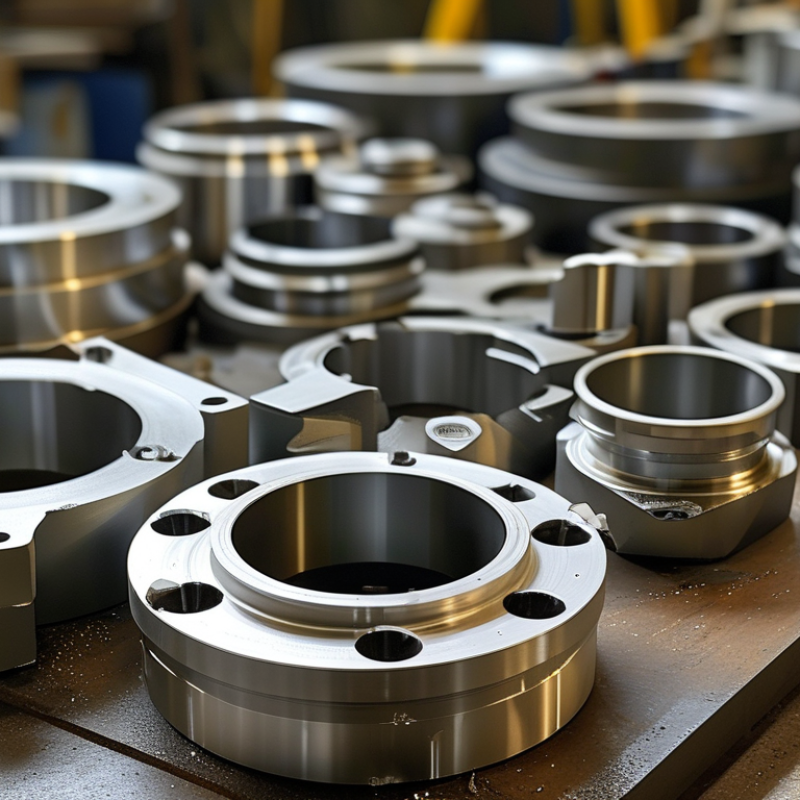
Aluminum machined parts play a crucial role in various industries, from aerospace to automotive. Their lightweight yet durable nature makes them ideal for applications requiring resilience. For example, the aviation industry relies on aluminum components for aircraft structures, optimizing fuel efficiency and performance. In automotive manufacturing, these parts contribute to design flexibility and improved safety features.
The reliability of aluminum machined parts stems from their resistance to corrosion and fatigue. However, not all aluminum alloys offer the same performance. Professionals in the field need to understand alloy characteristics to make informed choices. Some alloys may provide strength but compromise weight, while others excel in durability yet lack versatility. A mismatched choice could lead to failures in critical applications, raising concerns about safety and functionality.
While advancements in machining technology have improved manufacturing processes, challenges still exist. Precision is key, and even minor errors can have significant repercussions. Overlooking details like tolerances and surface finish might result in subpar performance. It's essential to approach aluminum machining with a focus on quality and thorough understanding.
When selecting aluminum machined parts, several factors come into play. The first consideration is the intended application. Different projects require varying specifications. Some parts must endure high stress, while others operate in less demanding conditions. Understanding your specific requirements is crucial.
Material quality is also essential. Not all aluminum alloys are created equal. Some may provide better strength or corrosion resistance than others. Evaluate the alloy types closely. Ask suppliers about their sourcing processes. A focus on quality ensures long-lasting performance.
Another point to reflect on is the tolerances and specifications. Each project demands precise dimensions. Discuss the required tolerances with your manufacturer. Inaccuracies can lead to costly revisions. Be sure to clarify these needs upfront. Every detail matters in the machining process, and overlooking them can lead to complications down the line.
Choosing the right aluminum alloy for machined parts is crucial for performance and durability. Aluminum alloys can be categorized into two main groups: wrought and cast. Wrought alloys, like 6061 and 7075, are known for their excellent mechanical properties and are often used in aerospace applications. Cast alloys, such as ADC12, offer good fluidity and are typically used in automotive components.
When selecting an aluminum alloy, consider the application requirements. For high-stress environments, 7075 offers great strength but is less corrosion resistant. Conversely, 6061 is a versatile choice for structural applications. Its balance of strength and resistance to corrosion makes it widely used in various industries.
Tips: Always review material specifications. Each alloy has unique characteristics, impacting costs and workability. Test samples before full production to ensure the alloy meets requirements. Don't overlook the finishing process, as it affects performance and aesthetics. Consider potential revisions based on testing outcomes, which may alter the initial choice of material. Adjusting to findings can lead to better results.
When evaluating machining processes for aluminum parts, it's vital to consider your specific needs. Different processes offer distinct advantages and limitations. CNC machining, for instance, provides high precision and can handle complex geometries. This makes it suitable for intricate designs. However, the setup time can be lengthy, impacting production speed.
Another option is extrusion, which is efficient for creating uniform shapes. It allows for rapid production of longer parts. Yet, extrusion might not be ideal for small batches with varying designs. Assessing the trade-offs is crucial.
Understanding the properties of aluminum is equally important. Aluminum has lightweight characteristics but varying alloys affect its machinability. Some alloys respond better to cutting than others. This can influence your choice of process. Being aware of these factors can lead to better decision-making. Always consider testing prototypes to refine your techniques. This iterative approach can unveil unexpected challenges and opportunities.
| Part Type | Machining Process | Material Grade | Tolerances | Applications |
|---|---|---|---|---|
| CNC Machined Component | CNC Milling | 6061-T6 | ±0.005" | Aerospace, Automotive |
| Fabricated Aluminum Part | Laser Cutting | 5052-H32 | ±0.008" | Sheet Metal Fabrication, Signage |
| Precision Machined Part | Lath Machining | 7075-T6 | ±0.002" | Military, Sports Equipment |
| Aluminum Casting | Die Casting | A356 | ±0.010" | Consumer Products, Automotive Components |
When considering custom aluminum machined parts, budgeting is crucial. According to the latest industry reports, aluminum costs have seen fluctuations, impacting overall project expenses. Understanding market trends can guide your purchasing decisions. For example, the price of aluminum rose by 15% last year, affecting manufacturers globally.
Consider the complexity of your parts. Intricate designs require advanced machining, leading to higher costs. The average hourly rate for machining services varies from $75 to $120. Always obtain multiple quotes to ensure competitive pricing. Remember, the cheapest option isn't always the best—assess quality alongside cost.
**Tip:** Allocate at least 10% of your budget for unexpected expenses. Projects often encounter delays or design changes that increase costs.
In addition, factor in the production volume. Custom parts for small quantities may have a higher per-unit cost compared to larger runs. Reports suggest that bulk orders can reduce costs by up to 30%. It's vital to evaluate your long-term needs to make the most of your investment.
: They are lightweight and durable, making them ideal for applications needing resilience and efficiency.
Even minor errors can lead to significant issues. Tolerances and surface finish are crucial for performance.
Consider the specific application's requirements. Some alloys offer strength, while others excel in durability and versatility.
Evaluate the intended application, material quality, and required tolerances to avoid costly revisions later.
Track market trends and obtain multiple quotes. Don't just choose the cheapest option; quality matters too.
Small orders may cost more per unit. Bulk orders can reduce costs by up to 30%; plan for long-term needs.
Allocate at least 10% of your budget for surprises. Projects often face delays or changes that incur additional costs.
Discuss sourcing processes with suppliers. Focus on quality to ensure long-lasting performance and reliability.
Intricate designs may increase machining rates. Simpler designs often save money, but evaluate your specific requirements.
Aluminum machined parts play a crucial role in various industries due to their lightweight, strength, and corrosion resistance. When selecting these components, it’s important to understand the specific requirements of your project. Factors such as the intended application, the properties of different aluminum alloys, and the machining processes involved will significantly influence the performance and durability of the final product.
Additionally, cost considerations must be taken into account, as custom aluminum machined parts often require careful budgeting to balance quality and affordability. By evaluating these aspects thoroughly, you can ensure that the aluminum machined parts you choose will meet your needs effectively while optimizing performance in your specific applications.

Xiang Xin Yu