Top Metal Parts Production Trends in 2026 for Global Buyers?

Time:2026-08-27 Author:Oliver
0%

As we approach 2026, the landscape of metal parts production is evolving rapidly. Industry reports suggest that the global market is projected to reach $200 billion by 2026, driven by innovations in manufacturing techniques and materials. Advanced technologies, including automation and additive manufacturing, are transforming how metal parts are produced, enhancing efficiency and precision.

However, not all trends point towards smooth sailing. Challenges like supply chain disruptions and fluctuating raw material costs remain hurdles for manufacturers. According to a recent survey, 67% of metal producers reported concerns about meeting production demands. This uncertainty affects planning and forecasting. Furthermore, sustainability pressures are reshaping production priorities, with 54% of companies indicating a need to adopt greener practices.

The drive for technological advancement is accompanied by a need for strategic adaptability. Metal parts production must not only embrace innovation but also navigate a complex global market. As the year 2026 approaches, companies must stay informed to avoid potential pitfalls while seizing new opportunities.
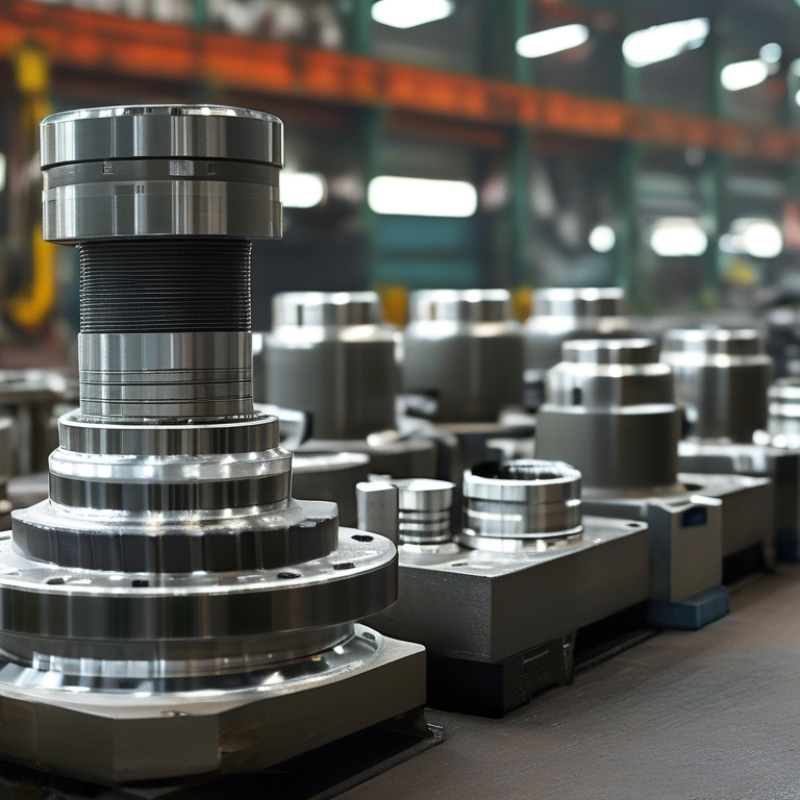
Top Metal Parts Production Trends in 2026 for Global Buyers?

Emerging Technologies Shaping Metal Parts Production in 2026

In 2026, the landscape of metal parts production will be significantly influenced by emerging technologies. Advanced manufacturing techniques such as additive manufacturing and automation are reshaping the industry. A recent report from a leading market research agency suggests that the global market for additive manufacturing is expected to grow to $29 billion by 2026. This growth is driven by the need for customization and rapid prototyping capabilities that traditional methods struggle to provide.

Artificial Intelligence (AI) is also playing a crucial role. AI-powered tools enhance precision in design and reduce waste. According to industry analysis, companies utilizing AI in manufacturing report a 20-30% increase in efficiency. However, the integration of these technologies poses challenges. The skills gap in the workforce highlights the need for training and education. As factories adopt these tools, they may face a shortage of qualified personnel.

Sustainability remains a hot topic within the metal parts sector. New technologies are being developed to improve the environmental impact of production processes. Research indicates that companies focusing on sustainable practices see a 15% boost in consumer trust and loyalty. Yet, achieving true sustainability can be complex and costly. The balance between innovation and sustainable practices will be a focal point for manufacturers in the coming years.

Top Metal Parts Production Trends in 2026 for Global Buyers

Trend Expected Impact Emerging Technologies Key Benefits
Increased Automation Higher efficiency and reduced labor costs Robotic Process Automation, AI Integration Enhanced production speed, precision
Sustainable Practices Minimized environmental impact Recycling Technologies, Green Materials Cost reductions, improved brand image
Adoption of 3D Printing Flexible manufacturing capabilities Metal and Polymer 3D Printing Customization, reduced waste
Smart Manufacturing Real-time data analytics and decision-making IoT, Big Data Analytics Increased agility, improved accuracy
Lightweight Materials Enhanced product performance Advanced Alloys, Composites Fuel efficiency, lower overall costs

Sustainability Trends Impacting Metal Parts Manufacturing

Sustainability is reshaping metal parts manufacturing. In 2026, buyers will prioritize eco-friendly practices. Companies are now exploring recycled materials for production. This shift reduces waste and lowers carbon footprints.

Manufacturers are investing in energy-efficient machinery. These upgrades not only cut costs but also support sustainability. Automation and advanced technologies are on the rise. They improve efficiency while minimizing environmental impact. This trend is crucial as industries face pressure to go green.

It’s essential to evaluate supply chains regularly. Assessing the sustainability of suppliers can enhance overall manufacturing practices. Collaborating with environmentally conscious partners is beneficial. Engage with experts to identify innovative solutions and strategies. Adapting to these trends may require initial challenges, but the long-term benefits are significant. Implementing sustainable practices is not just an option; it’s a necessity for future growth.

Market Demand Forecast for Metal Components in Various Industries

In 2026, the market for metal components is projected to experience significant growth across various industries. Automotive and aerospace sectors will lead this surge. Electric vehicles, in particular, demand lightweight yet strong metal parts, driving innovation in production techniques. Manufacturers must adapt quickly to ever-evolving specifications. This adaptability will define competitiveness in the marketplace.

Another key area is construction. Metal components are essential for structural integrity. Sustainable building practices are pushing for reusable and recyclable materials. However, the industry faces challenges in sourcing eco-friendly metals. Suppliers must ensure that their materials meet strict sustainability criteria. Collaboration among industry players could bridge this gap, fostering lasting partnerships and reliability.

Despite these trends, there are ongoing hurdles. The fluctuating costs of raw materials create uncertainty for buyers. Supply chain disruptions still linger post-pandemic. Market players will need to maintain flexibility and transparency to navigate these volatile conditions. By focusing on quality and innovation, businesses can position themselves well for future demands.

Key Geographical Regions Leading Metal Parts Production

As the metal parts production landscape evolves, certain geographical regions stand out in 2026. Asia-Pacific, particularly China and India, will continue to dominate manufacturing capabilities. These countries benefit from robust infrastructure and a vast labor pool. Their expertise lies in large-scale production, pushing forward innovations in metalworking.

North America is expected to witness growth as well. Factors like advanced technologies and improved automation in factories create new opportunities. The United States and Canada emphasize research and development, leading to higher quality products. However, they face challenges with rising material costs and competitive pressures from overseas.

It is crucial for global buyers to consider supply chain resilience. Diversifying suppliers minimizes risks from political or economic changes. Engaging with local producers can also enhance sustainability efforts. Additionally, staying informed about local regulations helps navigate potential hurdles.

Being aware of these trends is vital. Understanding the capabilities and challenges in various regions aids in making informed decisions. Buyers need to evaluate how these factors align with their production goals.

Innovations in Material Science for Enhanced Metal Parts Efficiency

Innovations in material science are shaping the future of metal parts production. By 2026, we expect significant advancements that enhance efficiency and performance. New alloys are emerging, offering improved strength and reduced weight. These materials are designed to withstand extreme conditions, making them ideal for various industries. The development of nanomaterials is also key. They can enhance durability and resistance to wear and corrosion.


Sustainability is another critical focus. Researchers are exploring eco-friendly materials with lower carbon footprints. Recycled metals are becoming more common, reducing waste and energy consumption. This shift is critical, yet it poses challenges. Not all recycled materials meet the stringent quality requirements of advanced applications. Balancing quality and sustainability is an ongoing conversation within the industry.


Testing procedures are evolving as well. Advanced simulations and real-time monitoring are being implemented. These technologies help ensure that metal parts meet the necessary standards. Nevertheless, more efforts are needed to integrate these innovations seamlessly. Industry professionals must collaborate to address gaps in knowledge and application. This collaboration will drive the evolution of metal parts and enhance overall production efficiency.

FAQS

: What industries are driving growth in metal components by 2026?

: The automotive and aerospace sectors are leading this growth, especially with electric vehicles.

Why is sustainability important in metal component production?

Sustainable practices ensure structural integrity and promote the use of reusable materials, despite sourcing challenges.

What challenges do suppliers face in the construction industry?

Suppliers must find eco-friendly metals that meet strict sustainability criteria, which can be quite difficult.

How can companies address fluctuating raw material costs?

Maintaining flexibility and transparency will help navigate the uncertainty caused by fluctuating material costs.

Which geographical regions are crucial for metal parts production?

Asia-Pacific, particularly China and India, along with North America, are key regions for metal parts manufacturing.

What role does innovation in material science play?

Innovations, such as new alloys and recycled metals, enhance efficiency but face challenges in quality and application.

How are testing procedures for metal parts evolving?

Advanced simulations and real-time monitoring are becoming common to ensure compliance with necessary standards.

What is a potential risk for global buyers?

They need to diversify suppliers to minimize risks from political or economic changes that may disrupt supply chains.

Why should buyers engage with local producers?

Engaging with local producers can bolster sustainability efforts and enhance supply chain resilience.

Are all recycled materials suitable for advanced applications?

No, not all recycled materials meet the stringent quality requirements, posing a challenge for the industry.

Conclusion

In 2026, Metal Parts Production is expected to be significantly influenced by emerging technologies such as advanced robotics and additive manufacturing, which will enhance precision and reduce waste in the manufacturing process. Additionally, sustainability trends are becoming increasingly prominent, with manufacturers focusing on eco-friendly practices and materials to meet global environmental standards.

Market demand for metal components is projected to grow across various industries, driven by innovations in material science that improve efficiency and performance. Key geographical regions such as Asia-Pacific and North America are likely to lead in metal parts production, capitalizing on technological advancements and a robust manufacturing base. As these trends unfold, they will reshape the landscape of metal parts manufacturing, catering to the evolving needs of global buyers.

Oliver

Oliver

Oliver is a seasoned marketing professional with a wealth of expertise in driving brand awareness and engagement. With a deep understanding of our company's product offerings, he consistently delivers high-quality content that enriches our professional blog. His insights not only shed light on......