In today's competitive market, the demand for high-quality Aluminum Milling Parts is on the rise. Businesses globally seek reliable suppliers who offer precision and durability. China has emerged as a leading hub for aluminum milling solutions.
The country's advanced manufacturing capabilities and skilled workforce contribute to the production of top-grade components. Various industries, including automotive and aerospace, rely on these parts for their efficiency and performance. However, not all suppliers meet the expected standards. Buyers must navigate a plethora of options to find trustworthy manufacturers.
When sourcing Aluminum Milling Parts, it is essential to consider factors like material quality and machining excellence. Some Chinese suppliers promise more than they can deliver. Thus, due diligence is vital. Potential buyers should analyze reviews, initiate communication, and request samples. This approach helps ensure satisfactory partnerships in the long run.
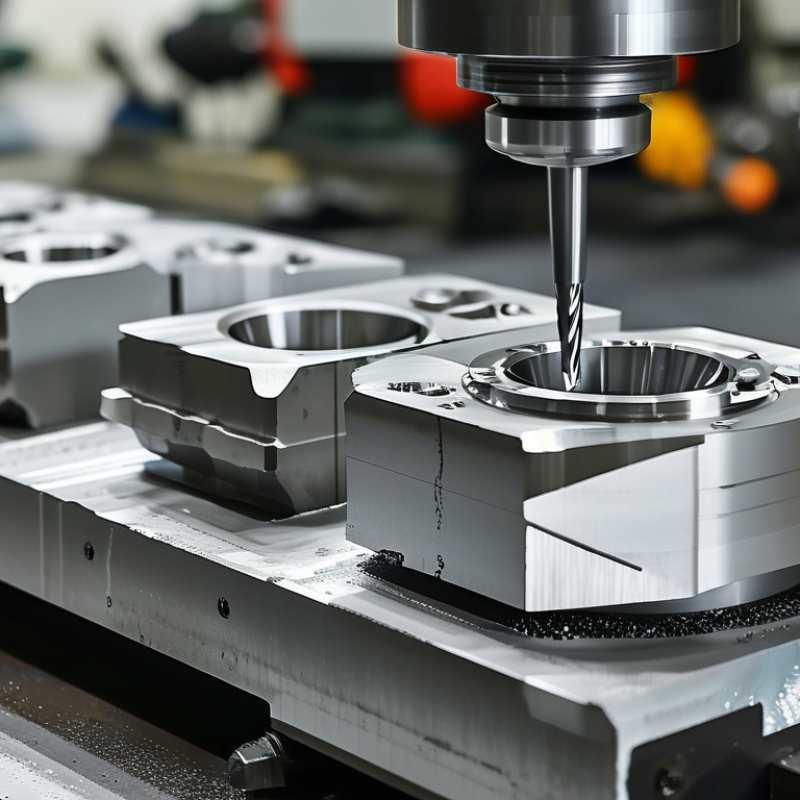
China has emerged as a leading hub for aluminum milling parts manufacturing. Many global buyers are seeking high-quality components at competitive prices. Manufacturers in China offer a wide range of products, from precision machined parts to custom designs. This has greatly enhanced the industry’s appeal worldwide.
Understanding the landscape of aluminum milling part manufacturers in China is essential. Many factories prioritize efficiency and technology. However, some still struggle with quality control. Selecting a manufacturer involves reviewing their certifications and inspection processes. Even with strong capabilities, inconsistencies can occur. It’s vital to assess their track record and client feedback.
Visiting manufacturing sites can provide deeper insights. It allows for direct communication and better understanding of capabilities. Buyers often overlook these important details. Evaluating capabilities and expertise requires diligent research. Each step shapes successful long-term partnerships. This journey involves collaboration, trust, and continuous improvement.
When sourcing aluminum milling parts, understanding the key features is vital. High-quality aluminum milling parts exhibit precision and reliability. These components must meet strict tolerances. According to the latest industry report by Grand View Research, the global aluminum market is projected to reach $164.3 billion by 2025. This demonstrates the growing demand for quality aluminum components.
Durability is another crucial feature. Aluminum parts should have high resistance to corrosion and wear. A study by the Aluminum Association shows that aluminum is lighter yet stronger than many materials. This characteristic makes it an ideal choice for various applications. However, not all suppliers maintain consistent quality. Quality control measures can vary significantly across different manufacturers, leading to inconsistencies in the final products.
Design flexibility is also important. High-quality aluminum milling parts can be customized for specific needs. This adaptability is critical in industries like aerospace and automotive. Yet, custom orders may sometimes fail to meet expectations. Buyers must engage closely with manufacturers to ensure their specifications are understood. This collaboration can often highlight overlooked details that could impact functionality.
Aluminum milling parts play a crucial role in numerous industries. They are lightweight yet offer high strength, making them ideal for diverse applications. The automotive sector extensively utilizes aluminum components for parts like engine blocks and housings. According to a recent market report, the global demand for aluminum in automotive applications is projected to reach over 18 million tons by 2025. This trend reflects the industry's shift towards lightweight materials to improve fuel efficiency.
In the aerospace industry, aluminum milling parts provide essential benefits. They are used in aircraft structures and components like wings and fuselages. Reports indicate that aluminum alloys make up approximately 70% of an aircraft's structure by weight. Their resistance to corrosion enhances the longevity of parts in harsh conditions, contributing to better safety and reliability.
Tips: Consider the manufacturing process when sourcing aluminum parts. Precision milling techniques can significantly enhance product quality. Always check certifications and test reports to ensure compliance with industry standards. Quality assurance is vital in ensuring the reliability of the parts in critical applications. Regularly review supplier performance and production capabilities to maintain high standards.
This chart showcases the common applications of aluminum milling parts in various industries, highlighting their utilization percentage across different sectors.
Sourcing aluminum milling parts from China requires careful consideration. Quality control is paramount. Ensure that manufacturers have robust quality assurance processes. Verify their certifications and standards. A visit to the factory can provide valuable insights into their operations. Look for a manufacturer with ISO or similar certifications. This indicates a commitment to maintaining high standards.
Understanding the materials used is also essential. Not all aluminum is the same; different grades offer varying properties. Clarify your requirements with potential suppliers. Specifications matter to achieve optimal results. Communication is key. A supplier who understands your needs can provide better service and solutions.
Pricing is another critical factor. While low-cost options are appealing, they may come with hidden costs. Evaluate the total expenditure, including shipping and tariffs. Consider the long-term value of the parts. Cheaper components may not perform as well, leading to increased costs down the line. Being meticulous at this stage can save significant trouble later.
The aluminum milling industry is witnessing significant shifts globally. Increased demand for lightweight materials in automotive and aerospace sectors drives the growth. According to a recent market report by ResearchAndMarkets, the global aluminum parts market is expected to reach $105 billion by 2025. This is a clear indication of rising consumer preferences for aluminum products. The material's properties, such as corrosion resistance and lightweight characteristics, make it highly desirable.
As industries expand, the focus on advanced manufacturing technologies grows. Companies are investing in CNC milling processes to enhance precision and efficiency. However, there are challenges. For instance, suppliers face difficulty maintaining consistent quality, especially with fluctuating aluminum prices. This creates uncertainty in production schedules. Data from the International Aluminum Institute shows a projected increase in demand for high-quality aluminum milling parts, yet the supply chain must be robust to meet this need. Businesses must adapt quickly, balancing quality with cost-efficiency.
: Key features include precision, durability, and design flexibility. They must meet strict tolerances and resist corrosion.
Durability is crucial as aluminum parts must withstand wear and harsh environments while maintaining strength.
Design flexibility allows customization for specific needs, which is essential in sectors like aerospace and automotive.
Aluminum milling parts are used in automotive components and aerospace structures, such as engine blocks and aircraft wings.
Quality control ensures consistent quality across different manufacturers, preventing product inconsistencies that can lead to failures.
Buyers should consider the manufacturing process, check certifications, and regularly review supplier performance for reliability.
Custom orders may not meet expectations if specifications aren’t clearly communicated, highlighting the need for solid collaboration.
Aluminum's lightweight nature contributes to fuel efficiency in automotive applications, making it a preferred material in the industry.
Aluminum naturally forms a protective oxide layer, making it resistant to corrosion over time, ideal for harsh conditions.
Regular reviews help maintain high standards and ensure reliability, especially in critical applications where quality is vital.
The article titled "Top China Best Aluminum Milling Parts for Global Buyers" provides an insightful overview of the aluminum milling parts industry in China. It begins by highlighting the top manufacturers in the region, known for producing high-quality aluminum milling parts that cater to a global market. Key features that define these premium products include precision machining, durability, and lightweight characteristics, making them ideal for various industrial applications.
Additionally, the article delves into common uses of aluminum milling parts across different sectors, such as automotive, aerospace, and consumer electronics. When sourcing these components, buyers are advised to consider factors like supplier reputation, production capabilities, and compliance with international quality standards. The discussion concludes with a look at global trends and the increasing market demand for aluminum milling parts, signaling a robust growth trajectory in the industry.

Xiang Xin Yu