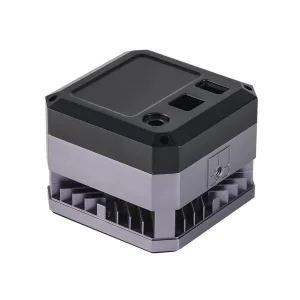
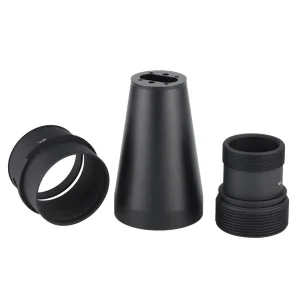
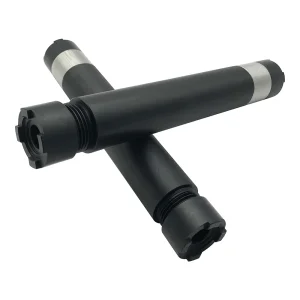
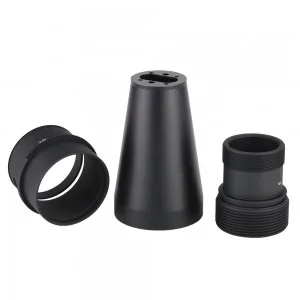
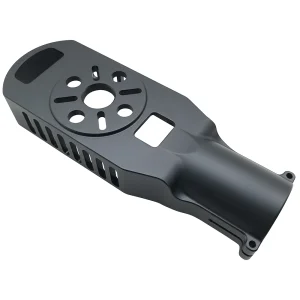
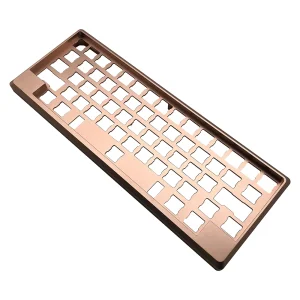
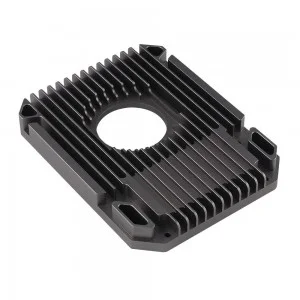
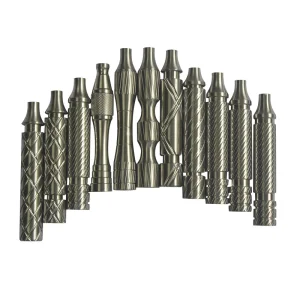
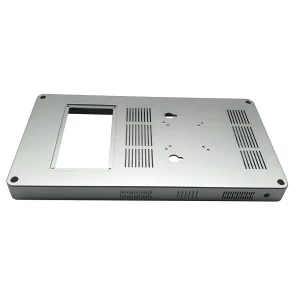
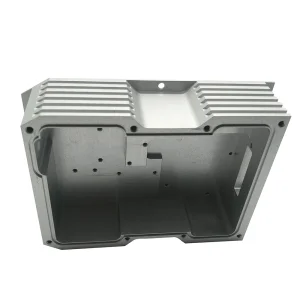
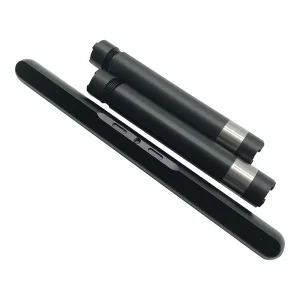
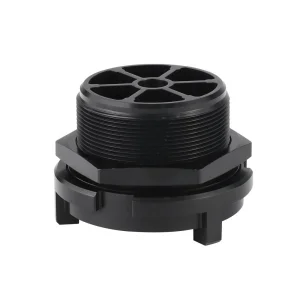
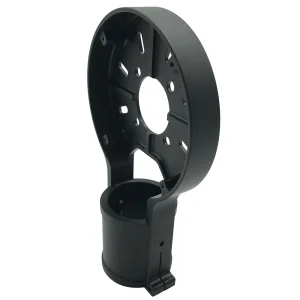
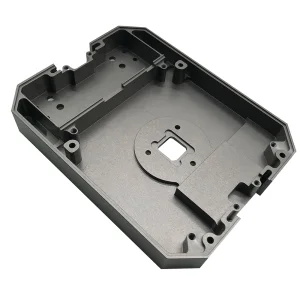
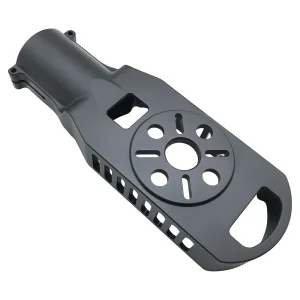
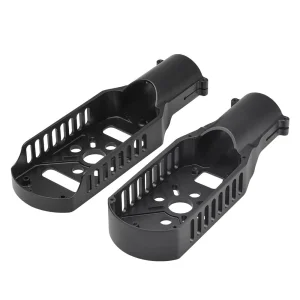
Explore our high-precision custom parts engineered for aerospace, electronic signal integrity, and high-frequency applications.
A deep engineering overview analyzing why precision brass components remain the backbones of modern technology.
Brass alloys like C36000 (Free-Cutting) provide excellent machinability ratings (100% standard baseline), coupled with robust thermal/electrical conductivity and natural corrosion resistance, making them ideal for zero-leak connectors and tight-tolerance fluid control.
In high-frequency 5G/6G RF components, micro-machined brass parts maintain superior signal attenuation properties. The lack of magnetic response minimizes eddy currents and guarantees ultra-low insertion losses in coaxial adapters.
From European automotive sensor housings requiring strict RoHS alignment, to American aerospace-grade hydraulic blocks, localized configurations dictate distinct material profiles like lead-free eco-brass C69300.
Precision CNC machining of copper-zinc alloys demands a comprehensive understanding of microstructural mechanics. Unlike ferrous metals, brass features highly predictable shear planes. When machining free-cutting brass (C36000), the lead distribution acts as a microscopic lubricant and a highly efficient chip-breaker. This results in minimal tool wear, low cutting forces, and extremely clean surface finishes (often achieving sub-micron Ra ratings without secondary grinding operations).
However, when dealing with lead-free brasses (such as Silicon Brass or Bismuth Brass, mandated by Western drinking water regulations and RoHS directives), machinability changes drastically. The absence of lead requires distinct tooling geometries, including higher rake angles, specialized carbide coatings (such as DLC - Diamond-Like Carbon), and modified coolant delivery systems (such as high-pressure through-spindle cooling) to manage the ductile, stringy chips and prevent heat buildup at the tool edge. Our manufacturing processes utilize adaptive feedrate control and state-of-the-art CAM modeling to optimize cycle times for these challenging eco-materials.
Why sourcing CNC brass components from localized Chinese manufacturing hubs delivers unmatched economic and engineering benefits.
Guangdong province, specifically the Shenzhen industrial corridor, acts as the world’s most integrated hardware manufacturing matrix. The concentration of upstream raw material refineries, tool designers, surface plating plants (offering specialized anodizing, passivating, and precious metal plating), and logistics giants within a 50-kilometer radius guarantees rapid turnaround times that cannot be matched globally.
At Shenzhen Xiang Xin Yu Technology Co., Ltd., we harness this localized synergy. We do not just operate CNC mills; we run a fully synchronized production system from initial 3D design analysis to rapid tooling, continuous quality auditing, and expedited global customs clearance. Our raw material suppliers provide fully traceable copper-alloy billets, certified by third-party testing labs to meet chemical composition requirements for international markets.
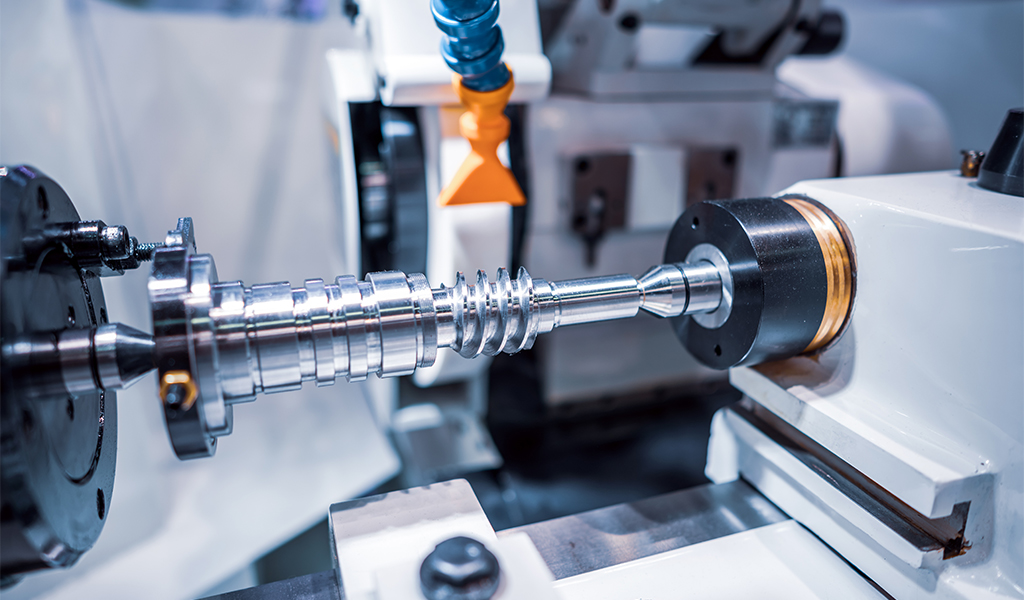
Empowering global industries with exquisite craftsmanship and strict quality control systems.
Shenzhen Xiang Xin Yu Technology Co., Ltd. is an enterprise specializing in CNC machining, with many years of industry experience and outstanding technical strength. We are equipped with advanced CNC machine tools and equipment, which can meet the processing requirements of various complex and precise parts. From key components in the aerospace field to high-precision parts in the automotive industry, from fine components in medical equipment to micro-structural parts in the electronics industry, we can provide customers with high-quality products with exquisite craftsmanship and strict quality control.
The company focuses on technological innovation and talent cultivation, and has an experienced and highly skilled professional team. They constantly explore and research new processing techniques and methods to improve production efficiency and product quality. We always adhere to the customer-centered approach, deeply understand customer needs, and provide customers with customized solutions and all-round service support. From order receipt to product delivery, every link is strictly controlled to ensure the timely delivery of high-quality products.
In terms of quality control, we have established a perfect quality management system and strictly manage the purchase of raw materials, production process monitoring and finished product inspection to ensure that each product meets industry standards and customer requirements. In the future, we will continue to uphold the concepts of professionalism, innovation, quality and service, constantly enhance our own strength, provide customers with better CNC machining services, and become a leading enterprise in the industry.
Our core values form the foundation of our engineering excellence and client trust.
We are a professional CNC machining company, and our corporate culture is built on the following core values:
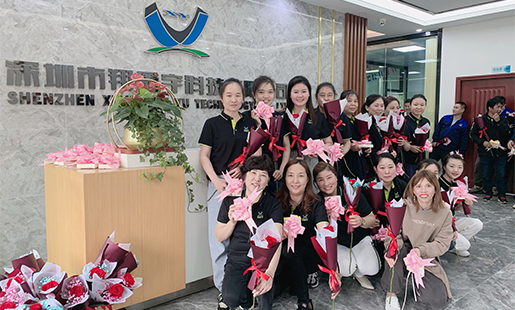
We encourage employees to continuously explore new processing methods and technologies to improve production efficiency and product quality and meet the changing needs of customers.
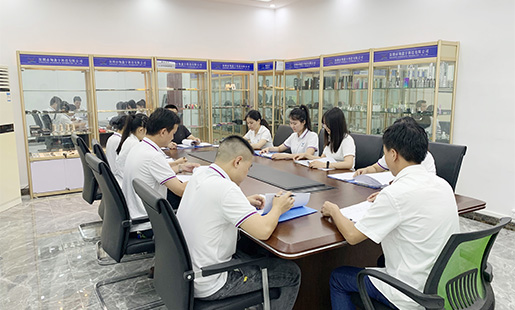
We pursue excellent quality, strictly control every processing link, and strive for zero defects to provide customers with the best products.
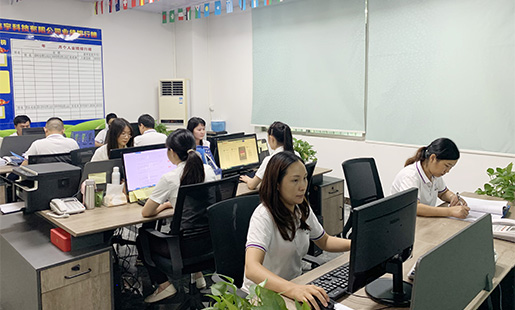
Team members support and collaborate with each other, jointly overcome difficulties, share experiences and knowledge, and form a strong whole.

Establish honest and cooperative relationships with customers and suppliers, keep promises, and treat every business with honesty and fairness.
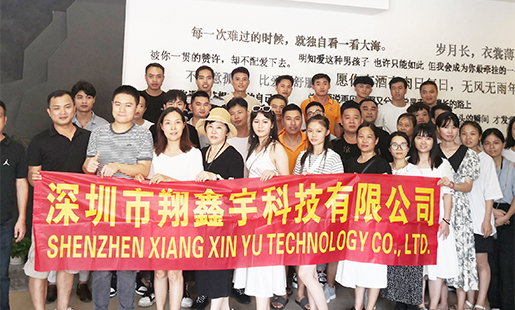
We are well aware that every product is related to the interests and safety of customers. Therefore, we always maintain a high sense of responsibility and take every job seriously.
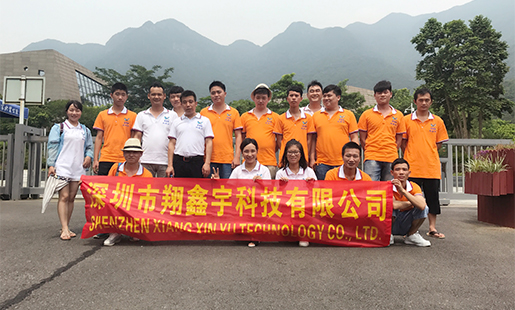
Respect the personality and ideas of each employee, provide a good development space for employees, and also respect the needs and opinions of customers.
Pioneering the next generation of precision manufacturing methodologies and material transitions.
Global regulatory bodies are rapidly tightening restrictions on lead content in brass alloys, specifically for products touching municipal water systems or high-grade electronics. Our facility is actively scaling production capabilities for silicon brass (C69300 / C87850) and bismuth brass. By adopting specialized tool paths and specialized insert geometries, we achieve high surface integrity while ensuring strict compliance with NSF/ANSI 372 standards.
As micro-electronic circuits and medical diagnostic devices shrink, the demand for precision brass features at the sub-millimeter level rises. Our advanced Swiss-type lathes enable precise turn-milling of micro-connectors with diameter tolerances down to ±0.002mm and surface finishes reaching Ra 0.2. Live tooling setups reduce multi-operation setups, cutting lead-times and maintaining geometric coaxiality.
To improve output consistency, we are integrating automated in-situ inspection systems. By leveraging optical sensors and automatic probing cycles directly within our machining centers, tool offset adjustments are computed dynamically. This minimizes manual calibration errors and guarantees that high-volume production remains within standard deviation limits over thousands of parts.
A verification of our processing capabilities and technical excellence.
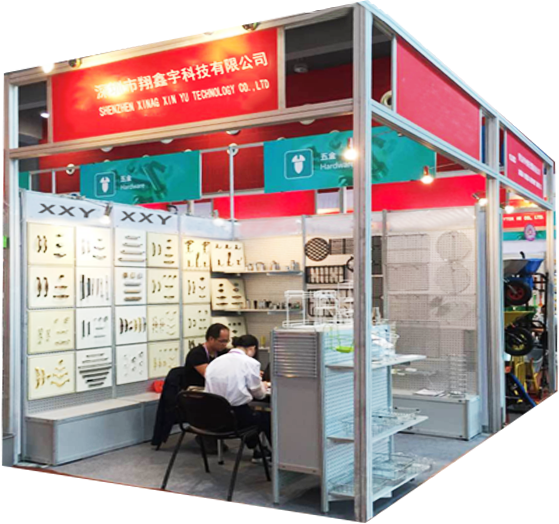
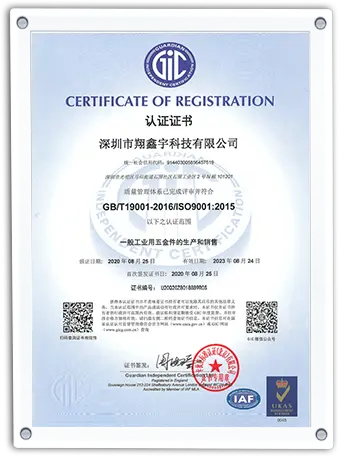
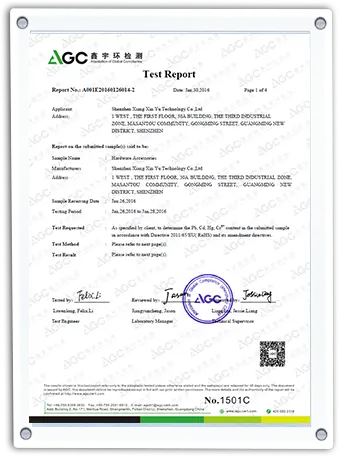
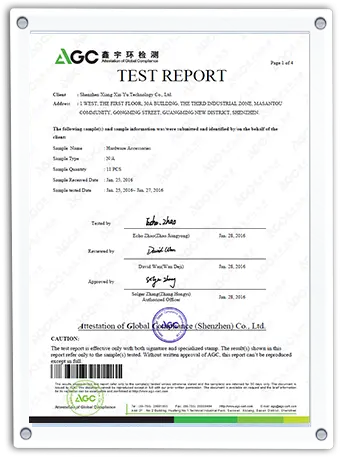
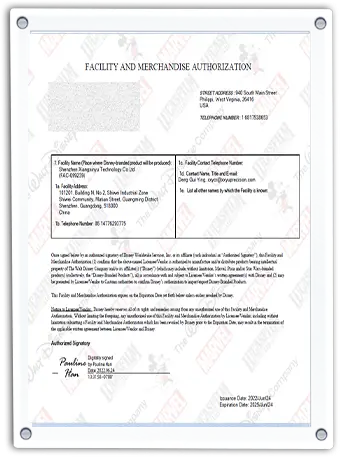
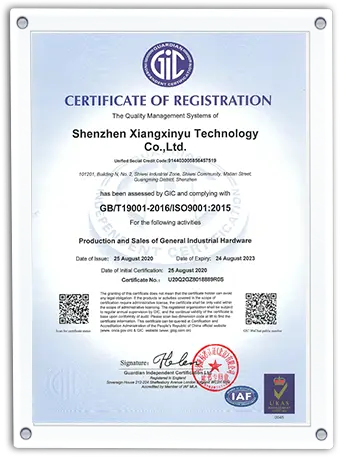
In a CNC machining company, professional certificates are important criteria for measuring the technical strength of the company and the professional quality of employees. Our technical team regularly undergoes certifications to guarantee adherence to advanced standards.
These professional certificates not only represent the individual professional skills of employees but also reflect the overall technical level and quality assurance ability of the company, helping to enhance the company's competitiveness in the market.
Chinese direct factory for the silicone oil, MM, and other organosilicone materials. Delivering full traceability and global compliance guarantees.
In-depth technical answers to common queries from product designers and global procurement managers.
Browse our extended range of zero-flash molds, 5-axis components, and surface-finished custom parts.
 Xiang Xin Yu