Explore our top-tier catalog of CNC components manufactured from high-grade stainless steel and composite alloys.
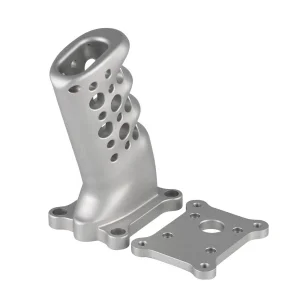
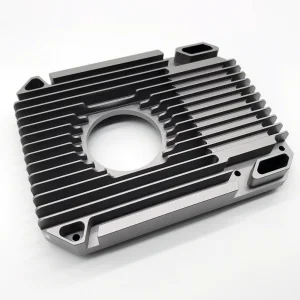
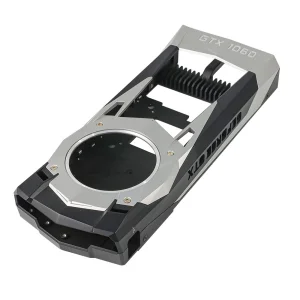
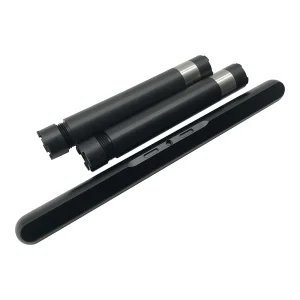
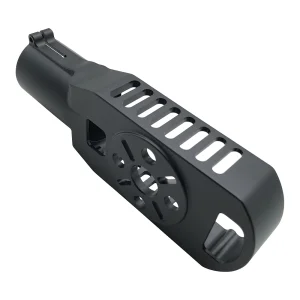
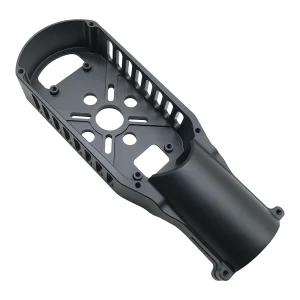
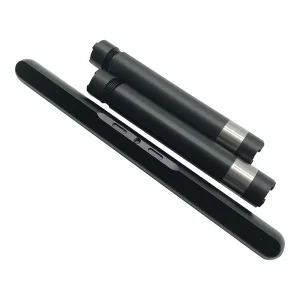
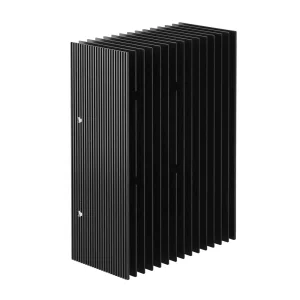
Stainless steel remains a cornerstone material across modern industrial sectors, prized for its superior mechanical properties, resistance to aggressive media, and biological inertness. However, raw material characteristics like high tensile strength and dynamic work hardening present significant machining hurdles. Standard machining workflows often fall short when dealing with tight tolerances and complex geometries required by advanced applications.
Shenzhen Xiang Xin Yu Technology Co., Ltd. fills this gap by leveraging modern multi-axis machinery, high-rigidity CNC tooling setups, and specialized coolant strategies. By bridging the gap between raw metallurgy and high-fidelity geometries, we supply components that withstand high pressures, corrosive environments, and intensive mechanical fatigue.
China's industrial manufacturing ecosystem offers unmatched raw material integration, heat treatment capabilities, and specialized surface finishing options. By combining these structural advantages with international quality management systems, we deliver cost-optimized manufacturing solutions without compromising on accuracy or material integrity.
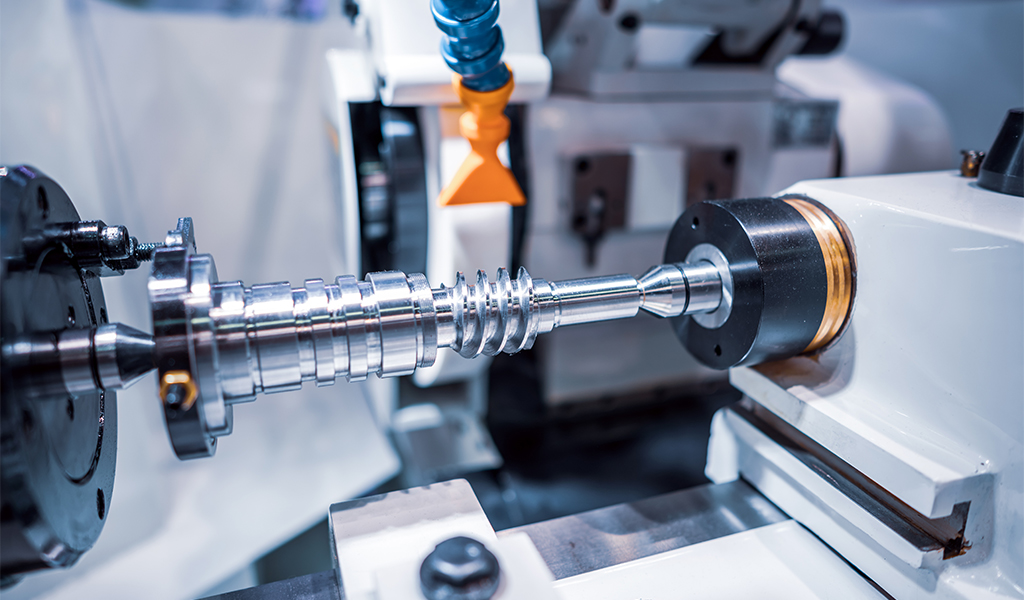
Delivering advanced engineering solutions, specialized manufacturing techniques, and rigorous quality assurances.
Shenzhen Xiang Xin Yu Technology Co., Ltd. is an enterprise specializing in CNC machining, backed by years of industry experience and deep technical expertise. We operate a fleet of advanced CNC machine tools designed to handle complex, close-tolerance components. Our project portfolio spans critical aerospace mechanisms, high-precision automotive components, fine surgical instruments, and microelectronics assemblies, showing our versatility across diverse sectors.
We prioritize technological innovation and workforce development. Our engineering team continuously researches tool-path optimization, material removal rates (MRR), and specialized tooling geometries to improve efficiency and reduce component lead times. Our customer-centered model guarantees structured design support and end-to-end traceablity for all projects.
In terms of quality control, we have established a comprehensive management system that oversees raw material sourcing, in-process inspection, and final quality checks. This robust testing pipeline guarantees that every shipped component complies with customer drawings and international specifications. We continue to invest in our production and metrology capabilities to remain a preferred global manufacturing partner.
Built on solid values to deliver precision and build lasting client relationships.
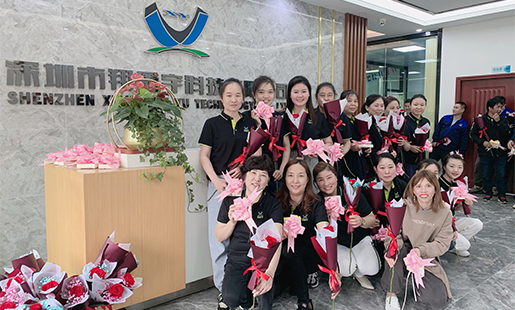
We encourage employees to continuously explore new processing methods and technologies to improve production efficiency and product quality and meet the changing needs of customers.
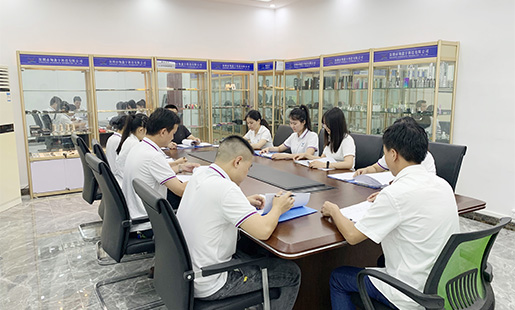
We pursue excellent quality, strictly control every processing link, and strive for zero defects to provide customers with the best products.
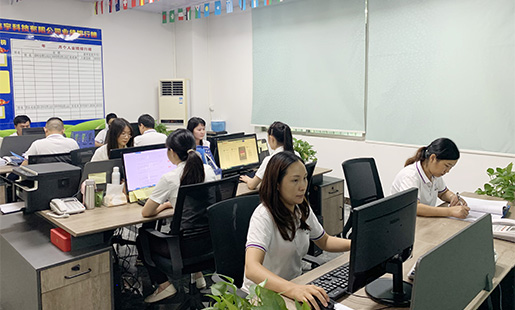
Team members support and collaborate with each other, jointly overcome difficulties, share experiences and knowledge, and form a strong whole.

Establish honest and cooperative relationships with customers and suppliers, keep promises, and treat every business with honesty and fairness.
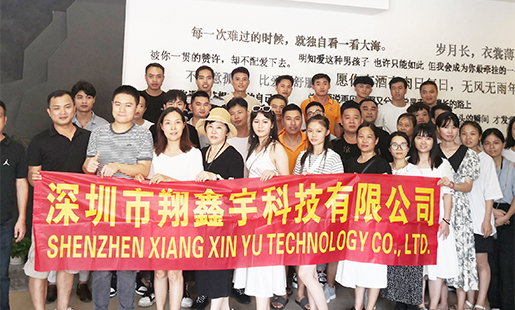
We are well aware that every product is related to the interests and safety of customers. Therefore, we always maintain a high sense of responsibility and take every job seriously.
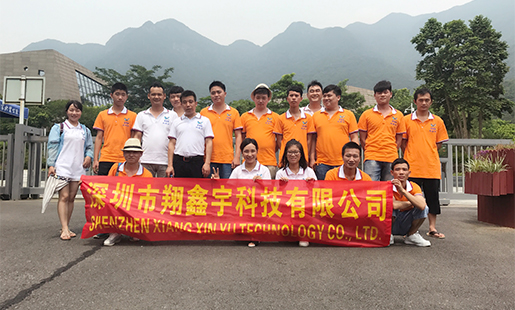
Respect the personality and ideas of each employee, provide a good development space for employees, and also respect the needs and opinions of customers.
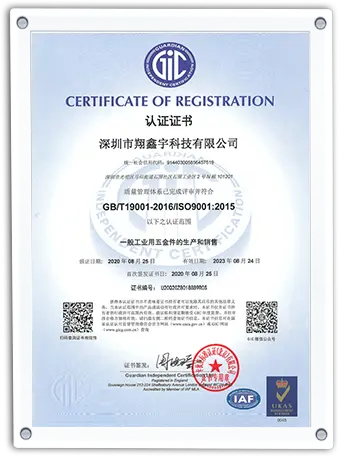
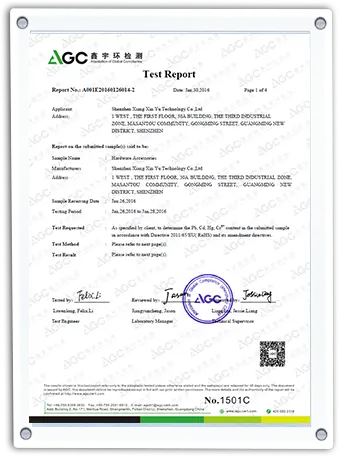
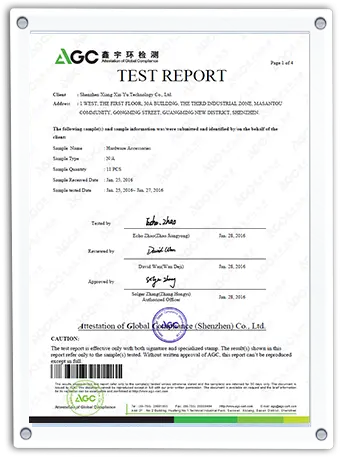
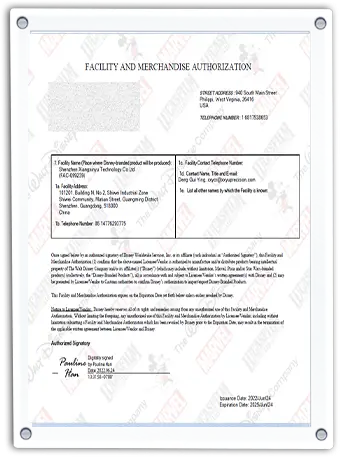
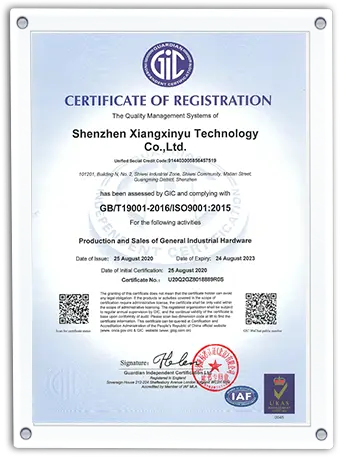
For custom manufacturing, professional qualifications serve as direct metrics of a factory's technical capabilities and quality standards. Our personnel and facilities operate under strict industry frameworks, ensuring component accuracy and full material traceability.
These credentials highlight our dedication to quality, helping us maintain long-term production contracts with major companies worldwide.
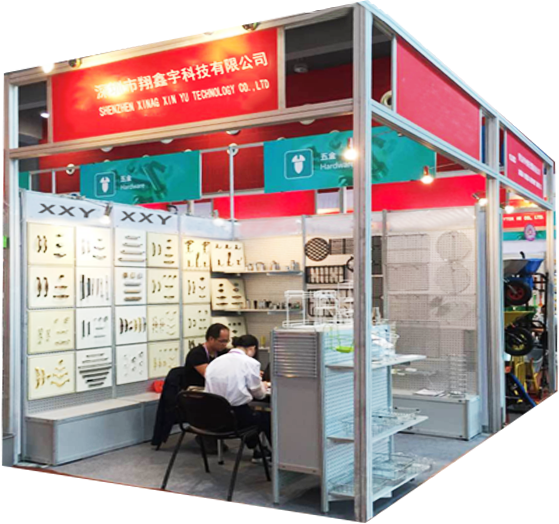
Chinese direct factory for the silicone oil, MM, and other organosilicone materials. Delivering full chemical compliance and structural quality assurance.
How we balance feed rates, tooling configurations, and heat dispersion to control work-hardening.
Stainless steel exhibits lower thermal conductivity compared to carbon steel and aluminum. During machining, cutting heat concentrates at the tool edge rather than dispersing through the chips. This thermal pressure accelerates tool wear and can cause micro-cracking.
Our Solution: We use high-pressure through-spindle coolant (up to 70 bar) paired with carbide tools featuring advanced coatings like TiAlN or AlCrN, protecting the tool tip and extending cutter life.
Austenitic steels (like 304 and 316) work-harden quickly under mechanical stress. If a tool dwells or rubs against the workpiece, the surface layer hardens, leading to premature tool failure and poor surface finishes.
Our Solution: Our engineers maintain positive feed rates and avoid dwell times. We use sharp cutting edges and positive-rake tool geometries to shear the material cleanly, preventing cold-work buildup.
Stainless steel's ductility often creates long, continuous chips that can wrap around the spindle, scratch the workpiece surface, and disrupt automated operations.
Our Solution: We use advanced 3D chip breakers and specialized toolpaths to encourage chip fragmentation. This supports stable, unattended 24/7 CNC machining.
Material adhesion can cause stainless steel to fuse to the tool's rake face, leading to poor dimensional control and uneven surface finishes.
Our Solution: We select polished insert faces and use specialized synthetic cutting fluids, reducing friction and preventing material build-up on the tool.
Securing international quality standards, customs clearances, and traceablity for peace-of-mind procurement.
Navigating global procurement requires reliable compliance frameworks. We provide complete documentation packages to ensure smooth customs clearance and regulatory alignment in your destination market.
Our quality lab utilizes Coordinate Measuring Machines (CMM), optical comparators, digital height gauges, thread check gauges, and surface roughness testers to verify that finished parts match specified tolerances.
Evolving our processes for Industry 4.0, smart manufacturing, and green machining.
Deploying CAM algorithms to optimize cutting force, reduce tool wear, and improve cycle times.
Integrating robotic loaders to support lights-out operation and increase throughput.
Adopting closed-loop coolant recycling and chip compaction to minimize waste.
Implementing on-machine probing for real-time tool compensation and part inspection.
Answers to common technical, logistics, and quality assurance questions.
We regularly machine austenitic grades (304, 304L, 316, 316L) for corrosion resistance, martensitic grades (410, 420) for hardness, and precipitation-hardening grades (17-4 PH) for aerospace components.
Depending on part geometry, we can hold linear tolerances down to ±0.005 mm (5 microns) and bore tolerances to ISO H7 limits using high-rigidity CNC setups.
We separate our stainless steel tooling from carbon steel tools to prevent cross-contamination. After machining, parts can undergo citric or nitric acid passivation to restore their passive chromium oxide layer.
We supply full inspection reports, CMM measurement logs, material certifications, and RoHS/REACH compliance declarations with each order.
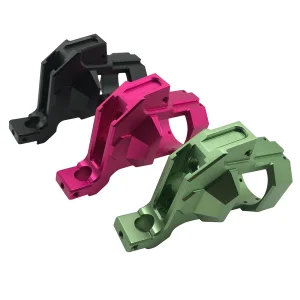
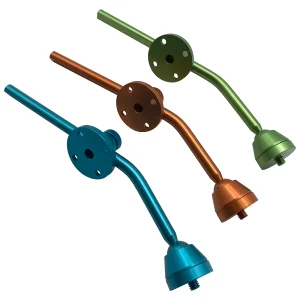
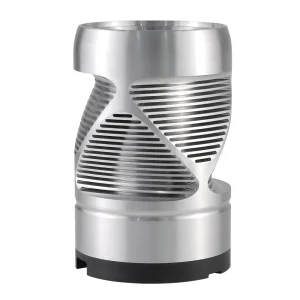
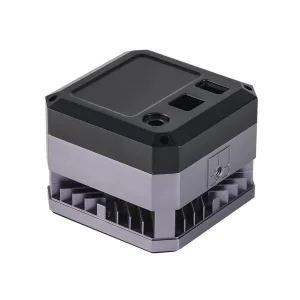
Review our diverse engineering capabilities, covering multi-axis machining, micro-manufacturing, and custom configurations.
 Xiang Xin Yu