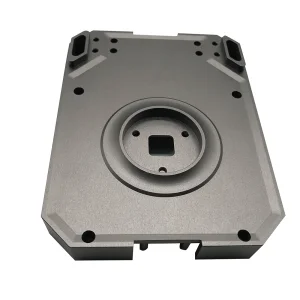
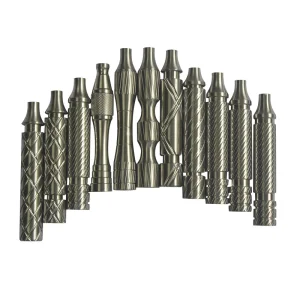
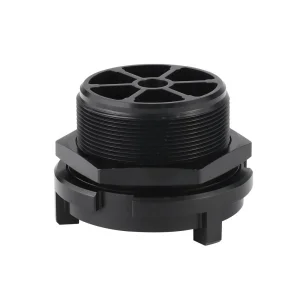
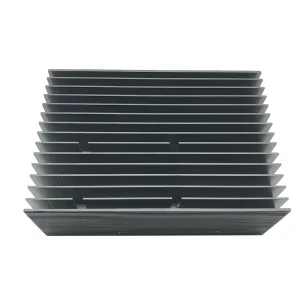
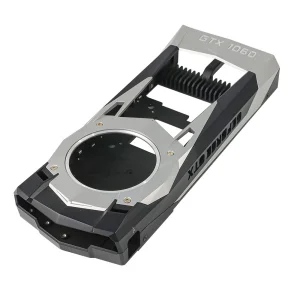
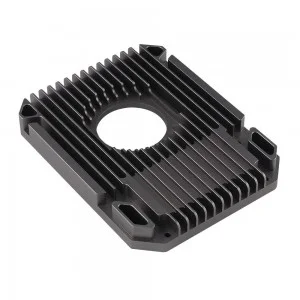
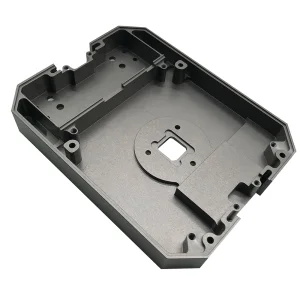
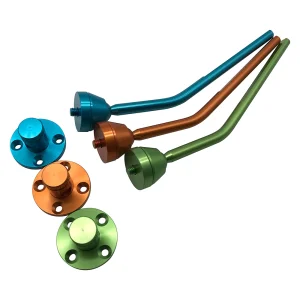
Advanced custom-engineered components with micro-tolerances and exceptional geometric stability.
Why modern global supply chains leverage Shenzhen-based engineering hubs for mission-critical parts.
The global metal parts procurement landscape is undergoing a significant evolution. No longer is choice dictated solely by component cost. Industry leaders are focusing on geometric stability, information transparency, and rigorous compliance (such as RoHS and ISO 9001:2015 frameworks). Shenzhen, China, has evolved from a generic manufacturing center into a highly specialized ecosystem for precision engineering, leveraging advanced automation and robust supply chain networks.
By working with a direct manufacturer like Shenzhen Xiang Xin Yu Technology Co., Ltd., global buyers gain access to advanced material sourcing, state-of-the-art multi-axis CNC centers, and automated metrology equipment. This integration addresses challenges such as high-mix, low-volume (HMLV) runs, fast prototyping, and high-volume production without sacrificing quality.
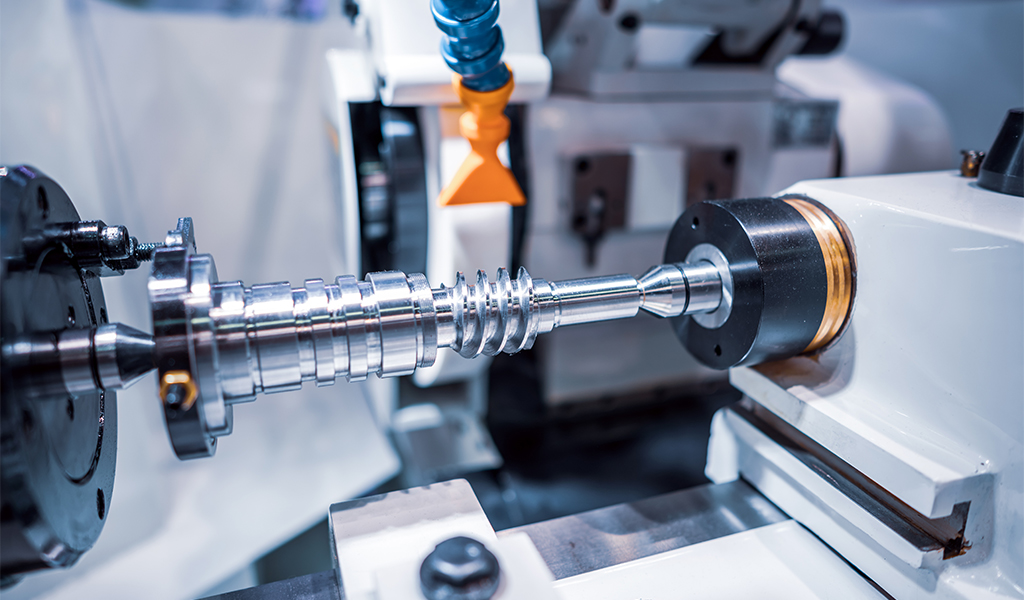
A premier partner specializing in CNC machining and high-end hardware fabrication.
Shenzhen Xiang Xin Yu Technology Co., Ltd. is a specialized enterprise focused on high-precision CNC machining. With years of industry experience and strong technical capabilities, we are equipped with advanced CNC machine tools and equipment designed to meet the strict processing requirements of complex, high-tolerance parts.
From critical components in the aerospace sector to high-end parts in the automotive industry, and from specialized components in medical equipment to micro-structural parts in the electronics industry, we provide high-quality products supported by refined craftsmanship and thorough quality control.
Our focus on technological innovation and talent cultivation has built an experienced professional team. By exploring new processing techniques and tools, we continually optimize production efficiency and product quality. From order receipt to product delivery, every step is monitored to support on-time delivery of high-quality products.
Our facility operates under an ISO-certified framework. Raw material verification, in-process inspection, and final quality assurance checks are executed using advanced coordinates measuring machines (CMM) and optical comparators to confirm all dimensions match the specified tolerances.
We provide a seamless transition from initial CAD design review and rapid prototyping to high-volume manufacturing. This bridges the gap between R&D verification and mass assembly, reducing time-to-market for global OEMs.
Our guiding values drive our quality processes, customer focus, and operational standards.
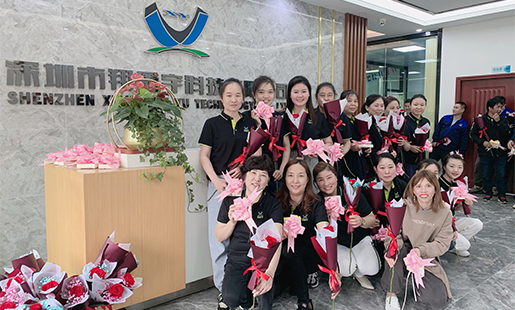
We encourage team members to explore new processing methods and technologies to improve production efficiency, product quality, and support changing customer needs.
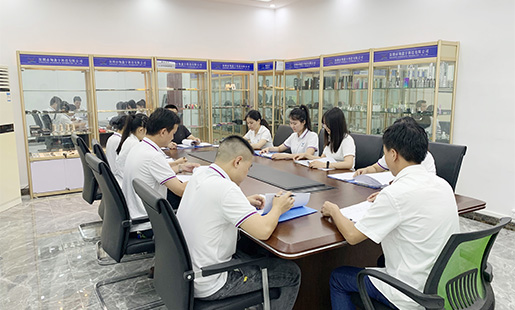
We pursue high quality standards, inspecting every processing stage and working toward zero defects to deliver reliable components.
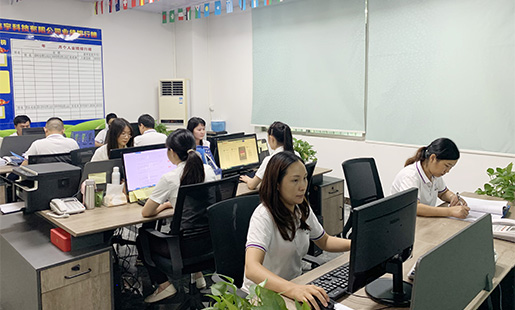
Our team works collaboratively, sharing experience and technical knowledge to address complex manufacturing challenges and deliver integrated solutions.
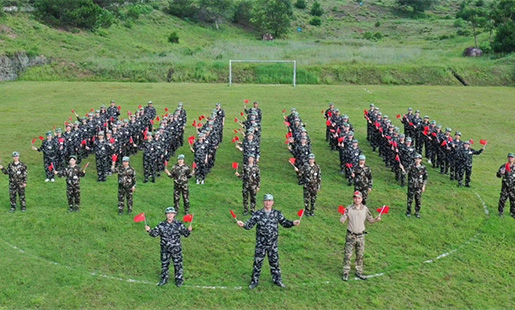
We establish honest partnerships with customers and suppliers, fulfilling commitments and managing business operations with transparency and fairness.
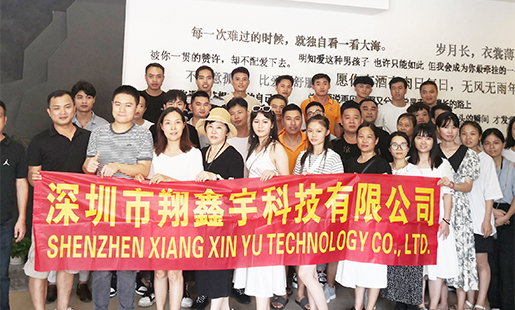
Recognizing the critical role of our components in client applications, we maintain high standards of responsibility across all production phases.
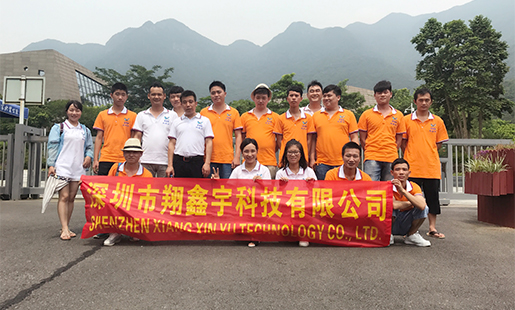
We value the perspectives of our employees and support their professional development, while respecting and addressing the specific requirements of our clients.
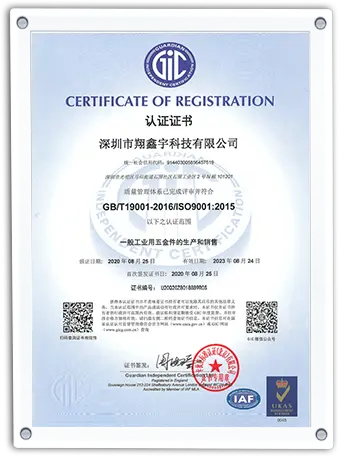
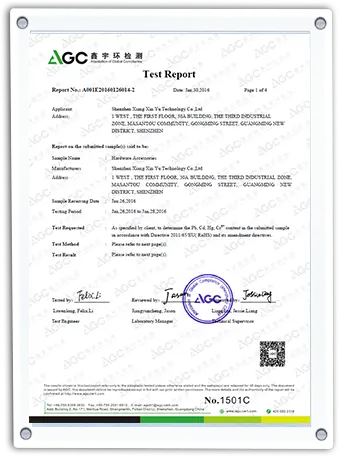
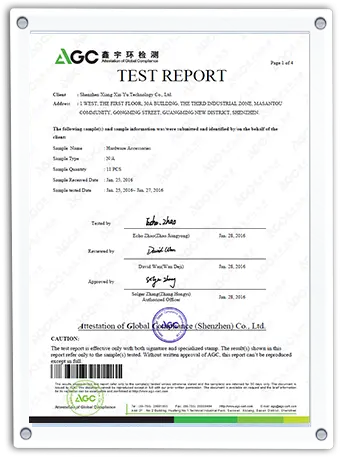
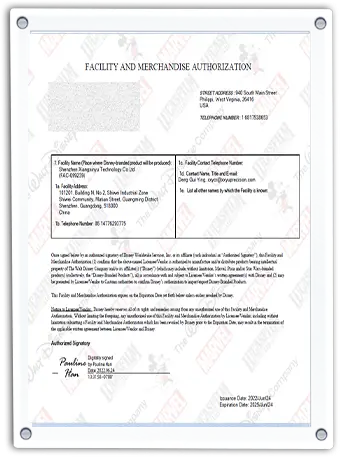
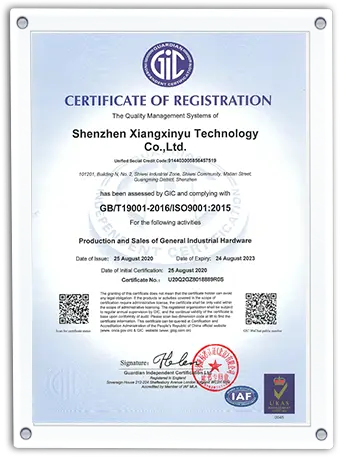
Verification of our technical capability, quality control structures, and operational standards.
In precision manufacturing, certificates provide objective evidence of a company's technical capability and operational controls. Our team members undergo regular training to keep pace with industry developments and maintain core certifications:
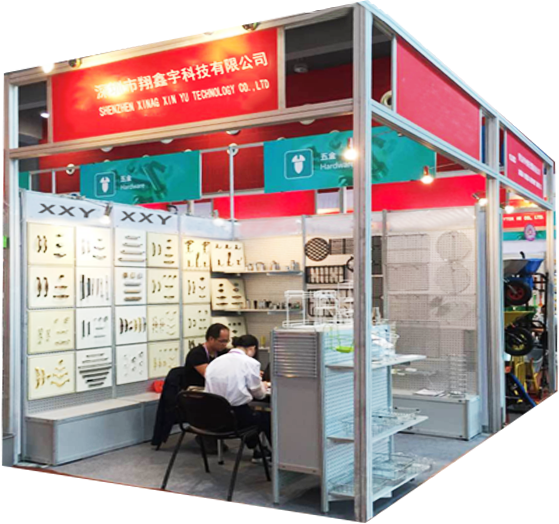
How our components meet requirements across diverse engineering applications.
We process lightweight aluminum alloys, titanium, and stainless steel to produce high-strength components with thin walls and complex geometries that withstand extreme stress environments.
Our machining setups produce surgical instrument components, implants, and diagnostic device housings using bio-compatible metals. We maintain tight tolerances to support reliable performance in medical environments.
We supply corrosion-resistant components, such as marine-grade bronze and passivated stainless steel hardware, engineered to withstand high pressure and saltwater exposure.
How technological integration is shifting the capabilities of modern production hubs.
The integration of 5-axis machining with turn-mill capabilities allows for complex geometries to be completed in a single setup. This minimizes errors associated with manual repositioning, enhances geometric accuracy, and improves production efficiency.
In-machine probing systems and automated optical sorting devices are increasingly used to monitor dimensions during the production run. This real-time feedback helps stabilize tolerances and ensures consistency across production volumes.
Modern global logistics require transparent documentation. From material mill sheets to RoHS conformity certification, digitized tracking systems confirm the origin and processing steps of each batch, supporting supply chain security.
Technical answers to common questions about CNC sourcing and precision manufacturing.
Our standard machining processes regularly hold dimensional tolerances as close as ±0.005 mm (±0.0002 inches), depending on material choice, component design, and structural requirements. Geometric tolerances like concentricity and cylindricity are verified using our coordinate measuring machines (CMM).
We provide comprehensive documentation with our deliveries, including raw material certificates and RoHS compliance reports. This confirms that all materials used in production meet specified international standards and do not contain restricted substances.
We offer a range of surface finishes, including bead blasting, anodizing (Type II and Type III hardcoat), electroplating, passivating, powder coating, and laser marking. These treatments are managed to achieve both visual and functional surface properties.
Clients submit their 3D CAD files (STEP, IGES, or solidworks formats) along with 2D drawings that specify tolerance requirements. Our engineering team reviews the geometry for manufacturability (DFM) and provides an itemized quote within 24 to 48 hours.
Advanced tooling, micro-machined parts, and engineered surface solutions for industrial operations.
 Xiang Xin Yu