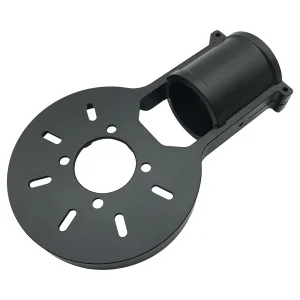
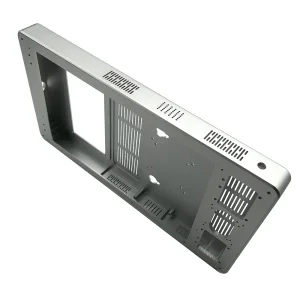
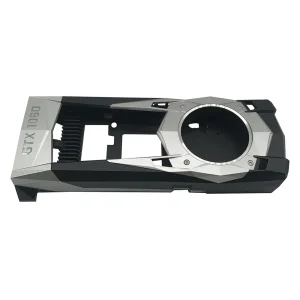
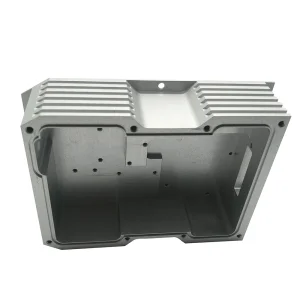
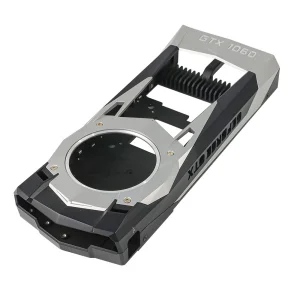
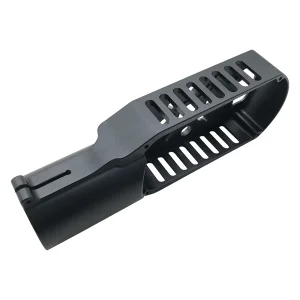
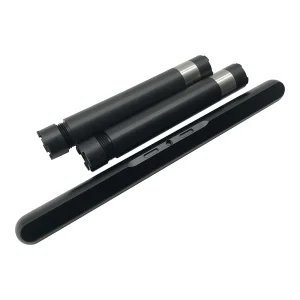
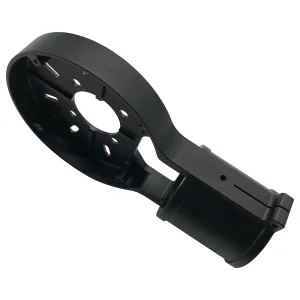
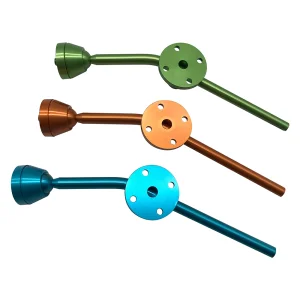
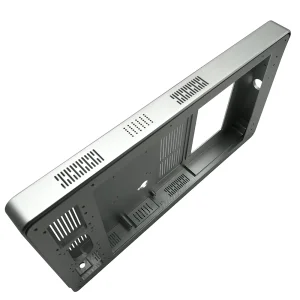
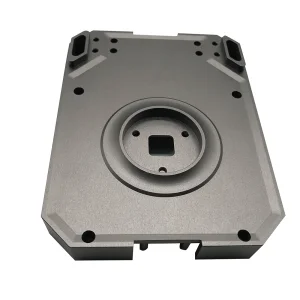
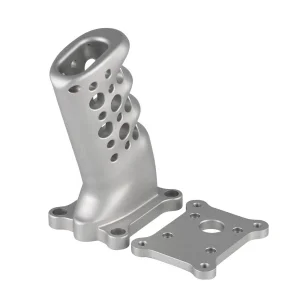
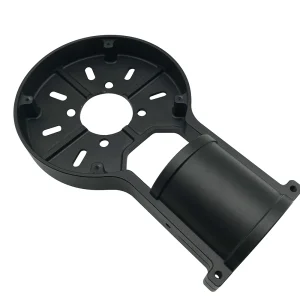
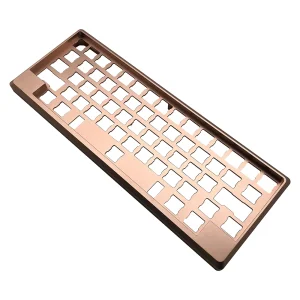
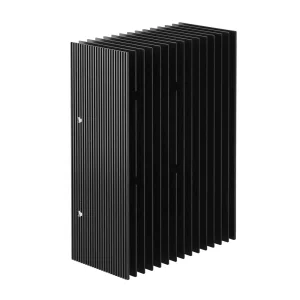
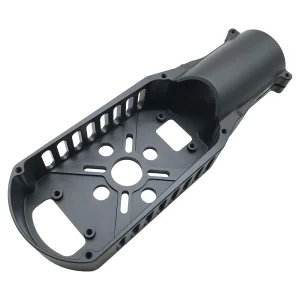
Explore our core custom components engineered to sub-micron accuracy for aerospace, medical devices, energy solutions, and consumer electronics.
In modern industrial manufacturing, physical prototyping acts as the vital bridge between computational design and physical validation. For global OEMs, engineering leads, and procurement managers in sectors like aerospace, defense, automotive, and medical technology, sourcing metal prototypes is not merely an operational transaction. Rather, it represents a high-level strategic alignment that impacts time-to-market, risk reduction, structural safety, and downstream manufacturability.
China has long transitioned from high-volume, low-cost assembly to high-precision engineering. High-density industrial hubs like Shenzhen combine specialized clusters of engineers, advanced toolmakers, raw material suppliers, and specialized post-processors. These integrated networks allow product development cycles to compress from months to days, offering global companies unmatched velocity and flexibility.
When procurement heads evaluate metal prototyping partners, they balance critical factors such as speed, cost, precision, and compliance. This guide outlines the key elements that define world-class metal prototyping partnerships:
Achieving dimensional tolerances down to ±0.005mm using advanced thermal stabilization systems and optical metrology setups on active machining lines.
Direct integration with Shenzhen's major raw material markets ensures quick access to specialty alloys like Inconel, Monel, and aerospace grade Aluminums.
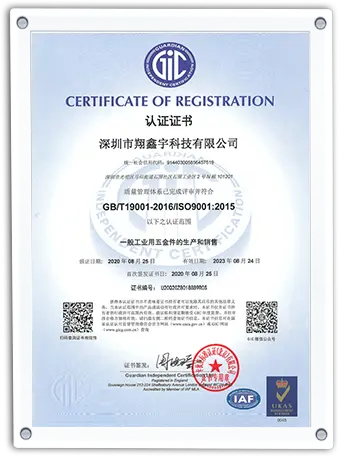
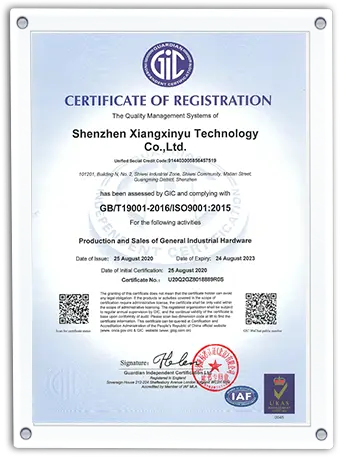
Continuous compliance with ISO 9001:2015 and RoHS directives ensures all critical manufacturing data, metal compositions, and surface treatments are fully traceable.
Shenzhen Xiang Xin Yu Technology Co., Ltd. is an enterprise specializing in CNC machining, backed by many years of industry experience and outstanding technical expertise. We are equipped with advanced, multi-axis CNC machine tools that reliably meet the complex processing requirements of highly detailed, precise parts.
From high-tolerance structural elements in the aerospace industry to fine components for medical equipment, safety-critical automotive parts, and micro-structures for consumer electronics, we consistently deliver high-quality products through robust process control, meticulous craftsmanship, and rigorous quality inspection protocols.
As a customer-centric organization, we focus on deeply understanding your engineering requirements to offer optimized custom solutions and comprehensive support. From the initial DFM review to the final packaging and delivery, every step is carefully controlled to ensure your custom parts arrive on time and match your technical drawings.
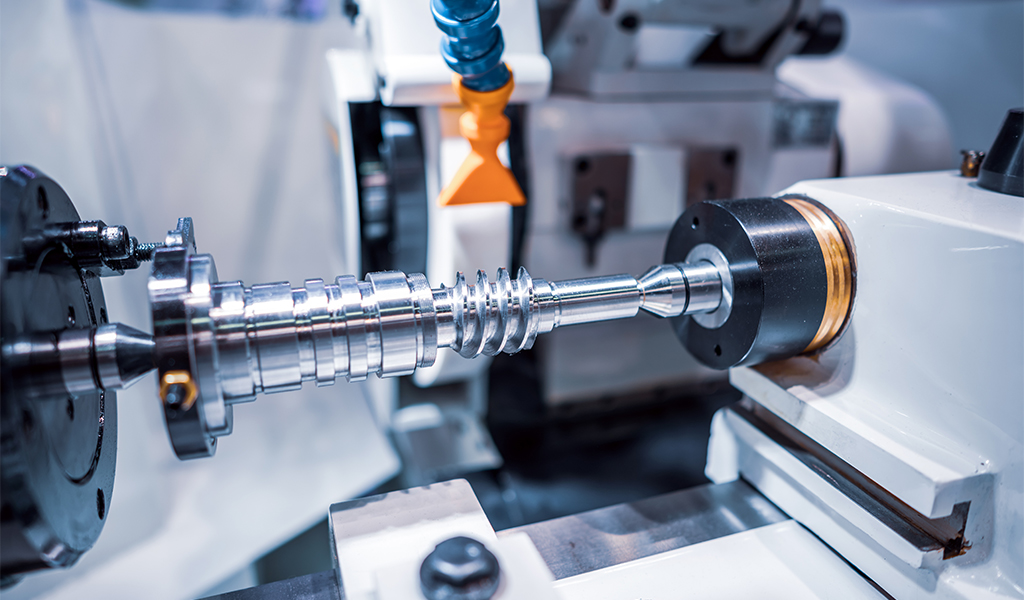
Quality control is integrated into every phase of our production. We manage every step, beginning with the verification of raw materials, moving through in-process inspection using optical measuring systems, and concluding with a full dimensional inspection of the finished parts. This structured approach guarantees that every batch meets international standards and aligns with the tolerances specified by our clients.
Looking ahead, we remain dedicated to refining our processes through ongoing learning, adopting advanced CAD/CAM technologies, and optimizing our setups to remain a trusted partner in the high-precision metal manufacturing sector.
Selecting the right production process is critical to balancing physical properties, dimensional accuracy, surface roughness, and cost. Below, we compare the primary metal prototyping methods used for high-precision components:
| Prototyping Technology | Typical Dimensional Tolerance | Standard Roughness (Ra) | Ideal Material Applications | Common Production Use Cases |
|---|---|---|---|---|
| 3-Axis & 4-Axis CNC Milling | ±0.020 mm to ±0.050 mm | 1.6 – 3.2 μm | Al6061, Al7075, Brass, Mild Steel | Prismatic housings, mounting brackets, structural plates |
| 5-Axis Simultaneous CNC | ±0.005 mm to ±0.010 mm | 0.4 – 0.8 μm | Titanium Ti-6Al-4V, Stainless Steel 316L, Inconel | Aerospace impellers, turbine blades, complex surgical implants |
| CNC Turning & Swiss Lathe | ±0.003 mm to ±0.008 mm | 0.2 – 0.8 μm | Surgical metals, copper alloys, engineering polymers | Micro pinions, surgical needles, high-precision connectors |
| DMLS/SLM (Metal 3D Printing) | ±0.100 mm to ±0.200 mm | 6.3 – 12.5 μm | Ti-6Al-4V, AlSi10Mg, CoCr, SS316L | Complex internal cooling channels, lightweight lattices |
| Metal Die Casting Prototyping | ±0.050 mm to ±0.150 mm | 1.6 – 3.2 μm | Zinc (ZA8, Zamak), Aluminum (ADC12, A380) | Thin-walled housings, automotive engine covers |
Understanding the material profile is essential when designing functional prototypes that must perform reliably under thermal, mechanical, or chemical stress:
Our work is driven by core values that emphasize precision, quality control, and close collaboration with our clients.
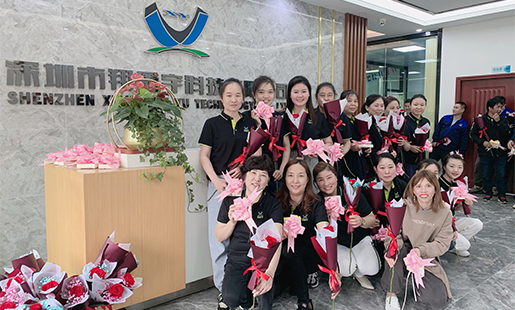
We encourage our team to continuously explore new processing methods and technologies to improve efficiency, control costs, and meet evolving project requirements.
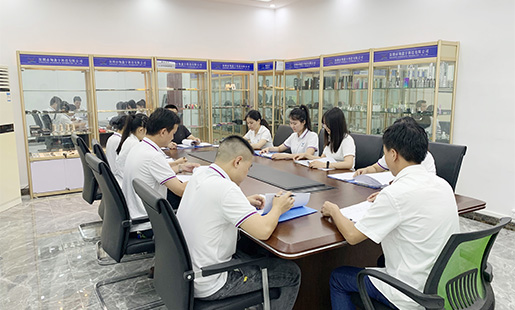
We target tight control across all manufacturing phases, working to minimize deviation and deliver parts that match design specifications.

Our engineers and machine operators collaborate closely to resolve complex geometry challenges, share technical knowledge, and maintain steady production workflows.

We maintain direct, transparent relationships with clients and material suppliers, ensuring clear communication regarding lead times, tolerances, and pricing.
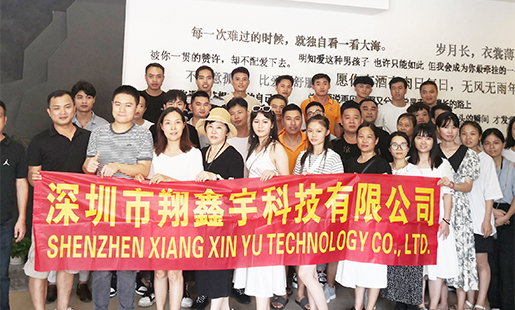
We recognize the role our parts play in critical applications. We verify component geometry and structural soundness before shipment to ensure performance safety.
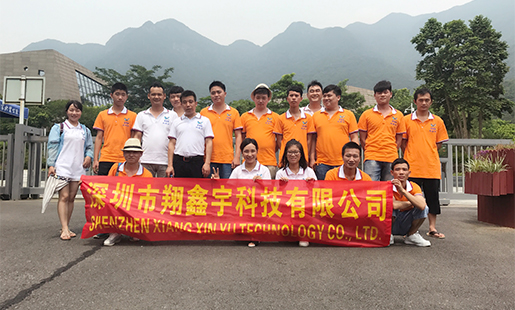
We respect the perspectives and ideas of each team member and prioritize our clients' feedback to continuously refine our production processes.
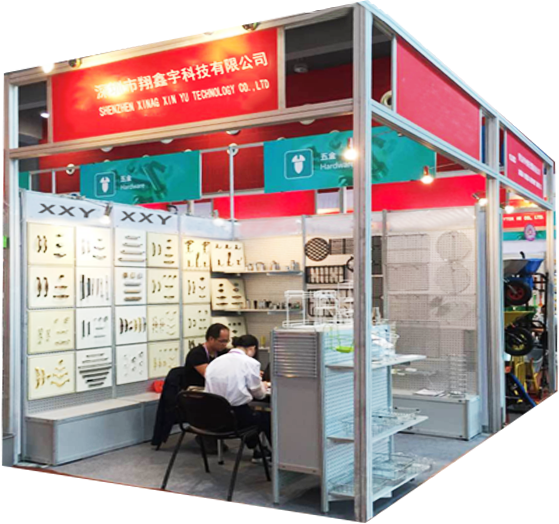
In high-precision manufacturing, certified training and standardized workflows are key to maintaining consistency and quality across production batches. Our operations are supported by a structured skills matrix and verified competencies:
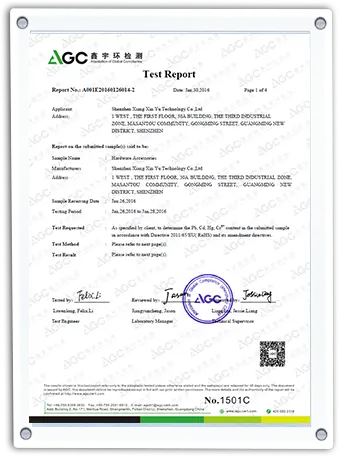
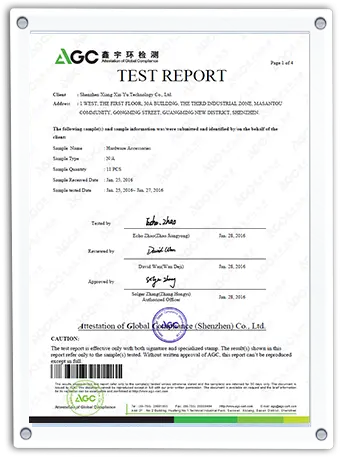
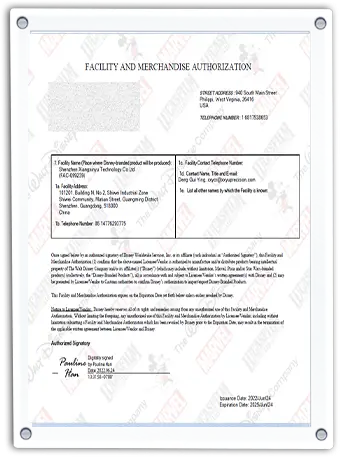
We maintain strict compliance with environmental regulations and quality standards, backed by third-party laboratory verification and testing protocols.
In a volatile global market, procurement teams must look beyond unit price to assess the total cost of ownership. Sourcing prototypes from China offers significant advantages, but successfully navigating the process requires a structured supply chain strategy:
Protecting proprietary designs is a primary concern. When partnering with Shenzhen Xiang Xin Yu Technology, clients benefit from strict security measures, including non-disclosure agreements (NDAs), secure data storage, and restricted physical access to project files and tooling setups.
Efficient shipping is essential for rapid prototyping projects. By partnering with leading logistics providers (including DHL, FedEx, UPS, and air freight forwarders), we ensure fast transit times. We also provide complete customs documentation, Harmonized System (HS) codes, and material declarations to prevent delays at customs ports.
Sourcing raw materials locally requires strict quality control to ensure consistency with international standards. We verify all metals against American (ASTM/UNS), European (EN/DIN), and Japanese (JIS) standards using chemical analysis and mechanical testing, ensuring the raw material matches your design specs.
Addressing the technical, operational, and commercial questions raised by global engineering teams and procurement specialists.
Explore our full range of rapid manufacturing, high-tolerance machining, and specialized metal fabrication services.
 Xiang Xin Yu