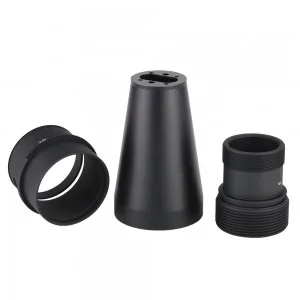
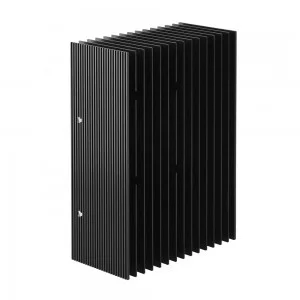
Explore our core catalog of CNC-milled and turned components, engineered for tight tolerances and extreme operational environments.
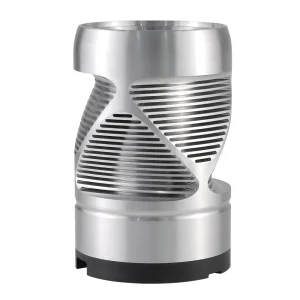
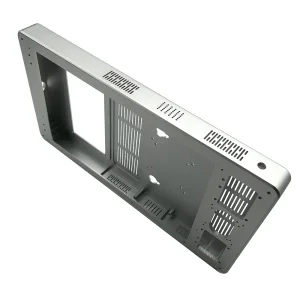
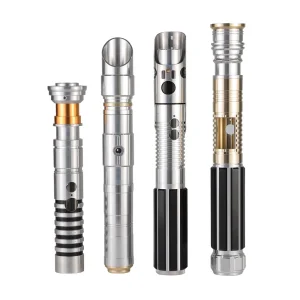
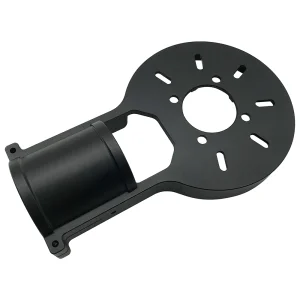
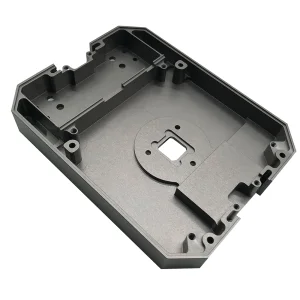
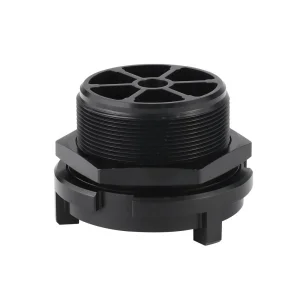
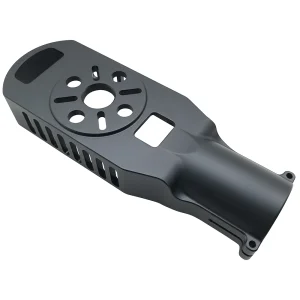
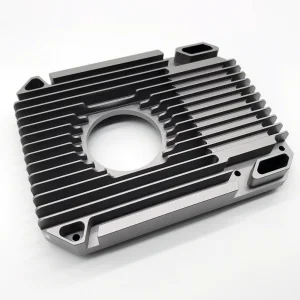
Shenzhen Xiang Xin Yu Technology Co., Ltd. is a leading enterprise specializing in high-precision CNC machining. With many years of deep-rooted industry experience and outstanding technical capability, we operate as a specialized center for engineering excellence in the high-precision machining sector.
We are equipped with state-of-the-art CNC machine tools and advanced processing equipment, allowing us to seamlessly handle the complex machining requirements of complex and precise components. From critical structural brackets in aerospace systems to high-tolerance wear parts in the automotive industry, and from specialized components in medical instrumentation to micro-elements in electronic devices, our manufacturing expertise covers diverse sectors. We provide premium products crafted with exquisite workmanship, backed by rigorous quality control frameworks.
At Xiang Xin Yu, we prioritize continuous technological innovation and talent development. Our dedicated engineering and technical teams consistently analyze and adopt new machining methodologies and tools. This drive for progress directly translates to elevated manufacturing efficiencies, lower production overheads, and exceptional dimensional reliability for all customer deliverables.
We remain firmly customer-centered. By thoroughly evaluating project specifications and operational environments, we design customized solutions and provide end-to-end technical support. From raw material inspection to the final stage of product distribution, every step is carefully monitored to guarantee on-time delivery of premium components.
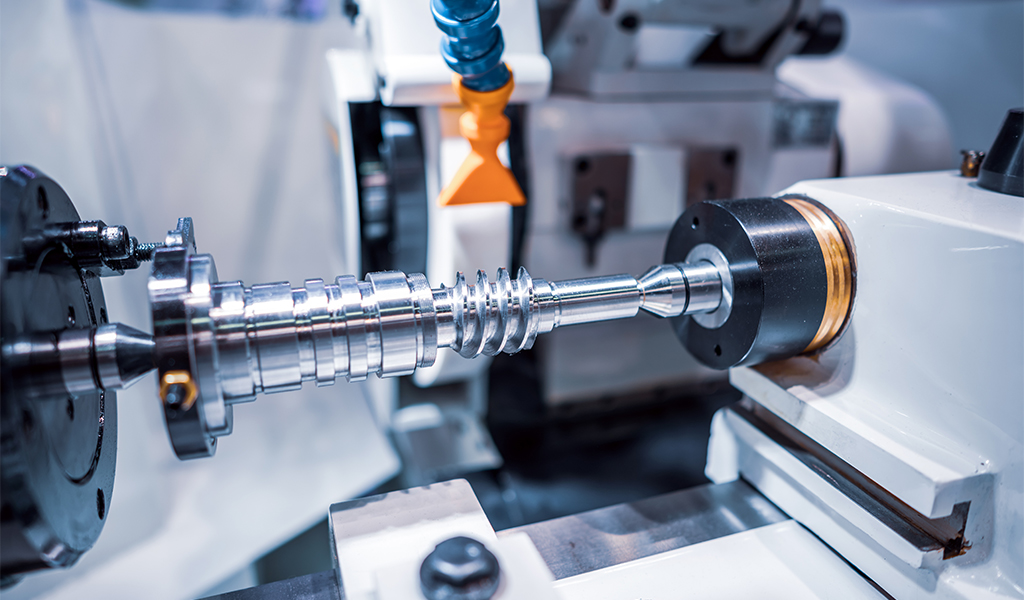
An authoritative industrial whitepaper detailing structural performance, material metallurgy, and advanced machining paradigms.
Automotive powertrains, exhaust assemblies, and fuel delivery systems operate under high structural loads, extreme thermal stress, and corrosive environments. Choosing the correct grade of stainless steel is essential for ensuring long-term component durability and mechanical safety. At Shenzhen Xiang Xin Yu Technology Co., Ltd., we analyze metallurgical structures to match specific automotive applications with their optimal material grade:
| Stainless Steel Grade | Microstructure Category | Key Alloying Elements | Automotive Application Areas | Core Engineering Advantage |
|---|---|---|---|---|
| SUS304 / AISI 304 | Austenitic | 18% Cr, 8% Ni | Fuel rails, sensor bosses, body trim, brackets | Exceptional corrosion resistance and excellent cold-work forming. |
| SUS316 / AISI 316L | Austenitic | 16% Cr, 10% Ni, 2% Mo | Turbocharger fittings, exhaust manifolds, EGR tubes | Excellent resistance to pitting corrosion in high-sulfur and high-temperature environments. |
| SUS409 / AISI 409 | Ferritic | 11% Cr, Ti Stabilized | Exhaust silencers, catalytic converter shells, mufflers | Cost-effective thermal fatigue resistance with moderate corrosion protection. |
| SUS439 / AISI 439 | Ferritic | 18% Cr, Ti/Nb Stabilized | High-heat exhaust manifolds, catalytic convertors | Higher oxidation resistance at elevated temperatures compared to 409. |
| SUS444 / AISI 444 | Ferritic | 18% Cr, 2% Mo | Exhaust systems, fuel tank components | Low thermal expansion rate, resistance to stress corrosion cracking. |
By controlling chromium, nickel, and molybdenum content, we optimize parameters such as tool wear, chip formation, and heat dissipation during machining. Austenitic grades, while providing superior corrosion resistance, work-harden rapidly. This requires precise control over cutting speeds, feed rates, and high-pressure coolant application to maintain dimensional stability.
Modern automotive supply chains require more than just component manufacturing; they demand resilience, traceability, and agile cost structures. Shenzhen Xiang Xin Yu Technology Co., Ltd. addresses these demands by combining lean manufacturing with automated production cycles. Located in Shenzhen, the heart of China’s advanced technology and logistics network, we leverage local supply chains to source high-grade raw materials and perform specialized surface treatments efficiently.
Our Factory 4.0 strategy integrates multi-axis CNC machining centers, automated tool changer systems, and in-line metrology setups. This automated framework reduces manual handling errors, minimizes cycle times, and keeps tool paths consistent across large production batches. By utilizing advanced CAD/CAM software like MasterCAM and UG, we translate complex designs into efficient machine instructions, maximizing raw material utilization and minimizing waste.
Maximizing Supply Chain Resilience: By working directly with raw material suppliers and maintaining a robust inventory of verified stainless steel bars and billets, we mitigate the risk of market disruptions. Our manufacturing workflow features active traceability, ensuring that every shipment is backed by chemical analysis and physical testing reports.
The automotive industry is undergoing a structural shift driven by vehicle electrification and carbon reduction goals. This evolution requires high-strength stainless steel components designed for lighter weights and complex geometries. As vehicles transition to electric drivetrains (EVs), the demand for traditional internal combustion engine (ICE) components is changing, while new demands are emerging for thermal management, battery enclosures, and power electronics housing.
Our technical roadmap focuses on machining ultra-thin wall components and complex geometries that help reduce overall vehicle weight without compromising structural integrity. We are investing in high-speed, five-axis milling machines and advanced tooling technologies to machine complex stainless steel parts with wall thicknesses under 1.0 mm. Additionally, we are exploring hybrid manufacturing processes that combine metal additive manufacturing with precision CNC finish machining to produce next-generation EV cooling plates and sensor blocks.
Global procurement teams face several challenges when sourcing precision auto parts, including managing geometric dimensioning and tolerancing (GD&T), verifying material certifications, and ensuring international shipping timelines. At Shenzhen Xiang Xin Yu Technology Co., Ltd., we align our operations with these complex procurement needs. We review customer drawings, run detailed design-for-manufacturability (DFM) analyses, and identify potential challenges in tool path clearances, material deformation, or surface finish requirements before production begins.
We maintain high accuracy by using high-precision tool holders, carbide cutting inserts, and temperature-controlled machining centers. This level of control ensures that critical dimensions, such as bearing journals, internal threads, and sealing surfaces, stay within specified tolerances across thousands of production units. Our logistics team coordinates with international carriers to manage customs processes, providing reliable, door-to-door delivery to assembly lines worldwide.
The foundational principles that guide our everyday operations, business ethics, and commitment to quality.
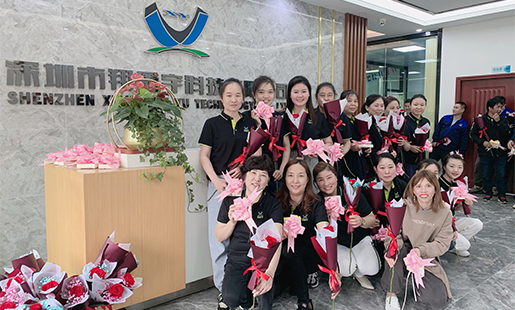
We encourage employees to continuously explore new processing methods and technologies to improve production efficiency and product quality and meet the changing needs of customers.
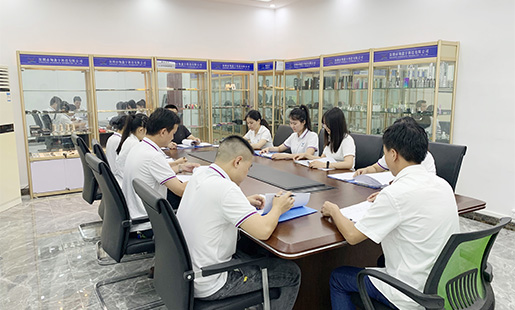
We pursue excellent quality, strictly control every processing link, and strive for zero defects to provide customers with the best products.
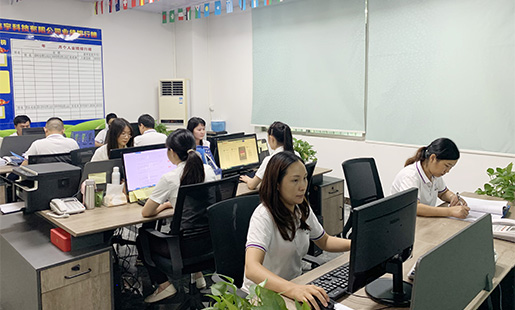
Team members support and collaborate with each other, jointly overcome difficulties, share experiences and knowledge, and form a strong whole.

Establish honest and cooperative relationships with customers and suppliers, keep promises, and treat every business with honesty and fairness.
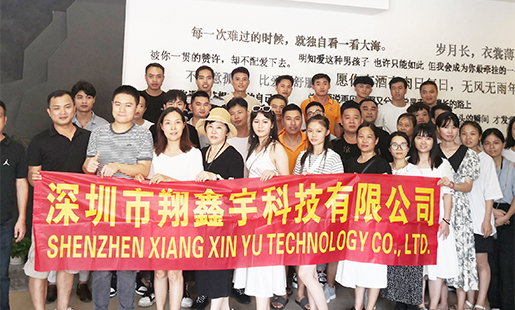
We are well aware that every product is related to the interests and safety of customers. Therefore, we always maintain a high sense of responsibility and take every job seriously.
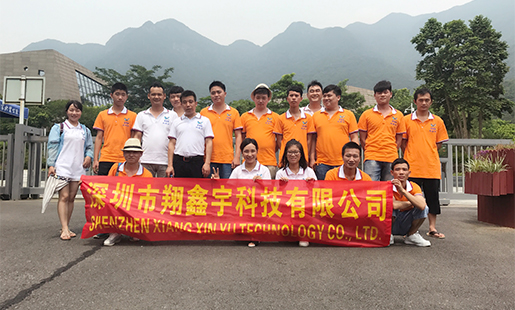
Respect the personality and ideas of each employee, provide a good development space for employees, and also respect the needs and opinions of customers.
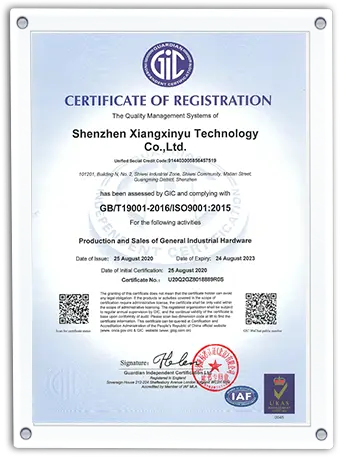
Validating our manufacturing standards, operator expertise, and strict quality control protocols.
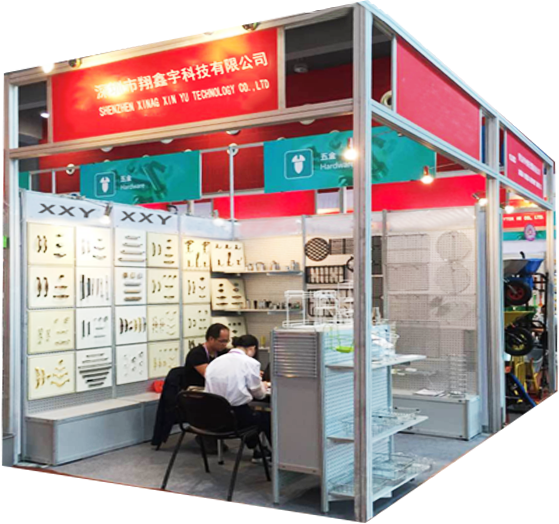
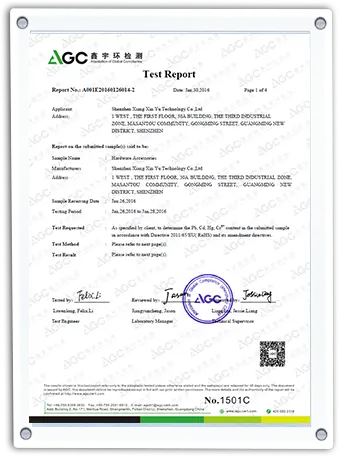
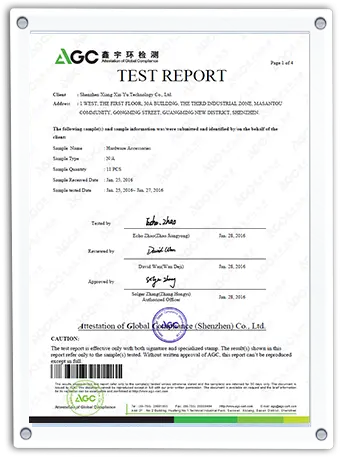
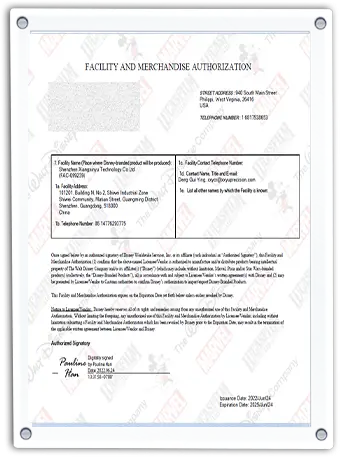
In a high-precision CNC machining company, professional certificates are important criteria for measuring the technical strength of the company and the professional quality of employees. Common professional certificates related to CNC machining include:
These professional certificates not only represent the individual professional skills of employees but also reflect the overall technical level and quality assurance ability of the company, helping to enhance the company's competitiveness in the market.
Chinese direct factory for the silicone oil, MM, and other organosilicone materials. Delivering compliance, traceability, and material authenticity.
Expert answers to common engineering, procurement, and technical design questions.
We regularly achieve tolerances down to ±0.005 mm for high-precision CNC turned and milled components. Critical geometric features, such as cylindricity and concentricity, are verified on-site using coordinated measuring machines (CMM) and optical comparators to ensure they meet your exact drawing specifications.
For high-temperature applications like exhaust manifolds and turbocharger fittings, ferritic grades like AISI 439 and AISI 444 are preferred due to their low thermal expansion rates and oxidation resistance. For components exposed to moisture and road salt, such as mounting brackets and sensors, AISI 304 and AISI 316L provide optimal corrosion resistance.
Austenitic stainless steels (like 304 and 316) tend to work-harden quickly under thermal and mechanical stress. To manage this, we use carbide tooling with specialized coatings, maintain a steady feed rate to stay below the work-hardened layer, and use high-pressure cooling fluids to control heat buildup.
Every production run is backed by a full documentation package, including material test certificates (MTR), dimension inspection reports, RoHS compliance reports, and surface treatment certifications where applicable. This transparency ensures full traceability from raw material to finished product.
Yes, we offer a range of surface treatment options, including passivation, electropolishing, bead blasting, anodizing, and chemical plating. These treatments are designed to improve corrosion resistance, reduce surface roughness, and meet specific cosmetic standards.
Our engineers hold professional certifications in software like MasterCAM and UG. This expertise allows us to perform design-for-manufacturability (DFM) reviews, optimize machining paths, reduce cycle times, and minimize material waste, helping to keep production costs competitive.
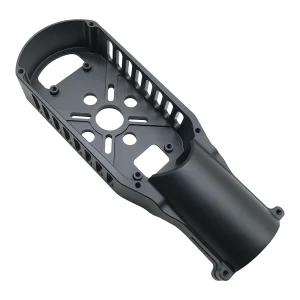
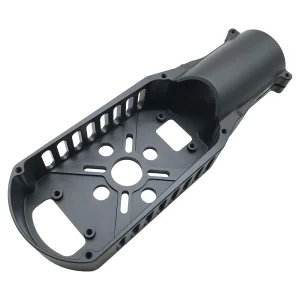
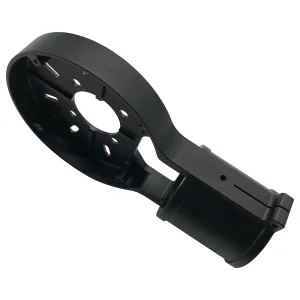
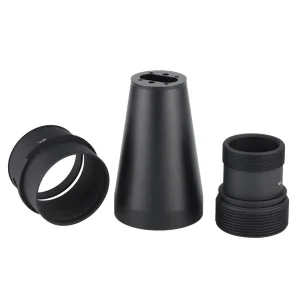
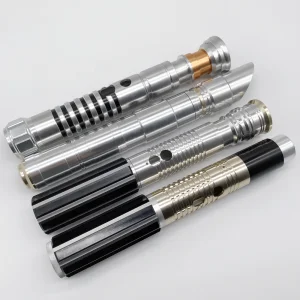
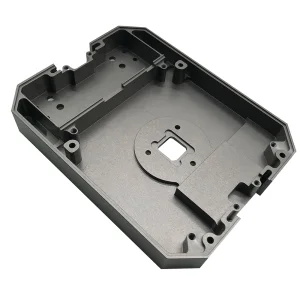
Explore the second part of our catalog, featuring custom machined parts and precision-engineered assemblies.
 Xiang Xin Yu