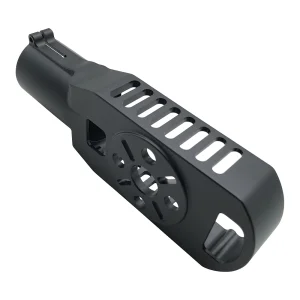
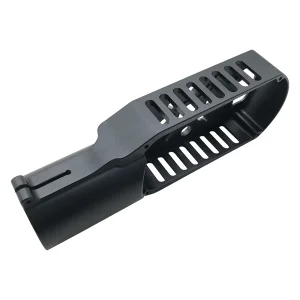
Explore our custom multi-axis CNC milling and high-precision turning capabilities, engineered to support aerospace, medical, automotive, and micro-scale technological applications.
Modern industrial design demands unprecedented manufacturing intelligence. The transition from legacy subtractive machining to advanced algorithmic custom CNC milling has redefined how high-performance materials are transformed into mission-critical hardware. Today, global supply chains look for services that don't just execute static G-code, but optimize geometry, thermal stability, and mechanical tolerances concurrently.
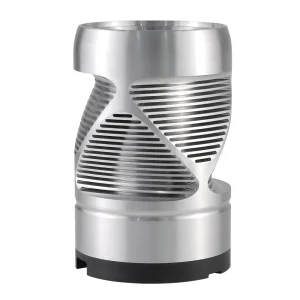
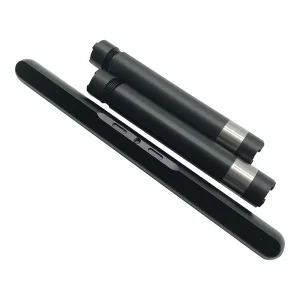
Managing micro-scale geometric deviations to sub-micron accuracy. By leveraging advanced thermal compensation sensors, multi-axis setups maintain strict stability through prolonged operational runs.
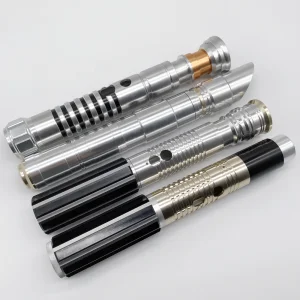
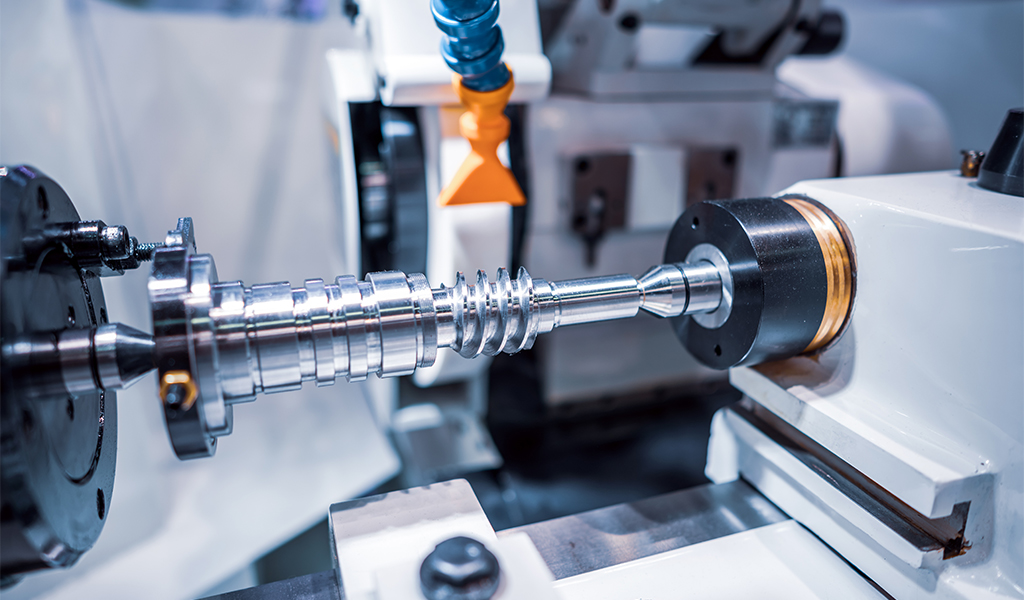
Combining lathe turning and multi-axis milling processes on single-setup turn-mill machines. This minimizes coordinate shifts and maximizes tool-life performance.
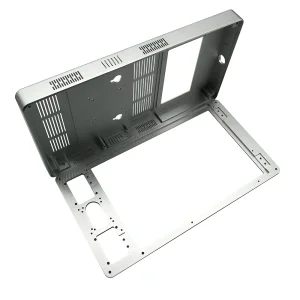
Utilizing high-end CAD/CAM simulation programs to map collision risks, tool trajectories, and chip removal metrics before raw blocks touch physical tables.
When global enterprises partner with a Chinese direct manufacturer, they tap into one of the most concentrated manufacturing supply chains in existence. The Pearl River Delta, specifically industrial technology clusters like Shenzhen, offers unmatched integration velocities.
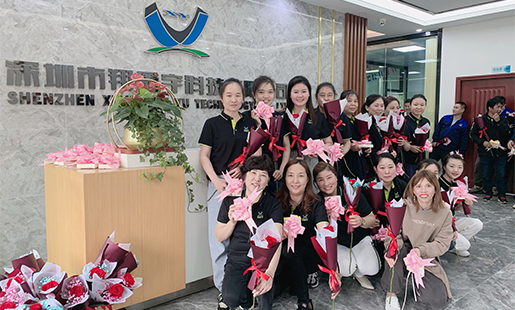
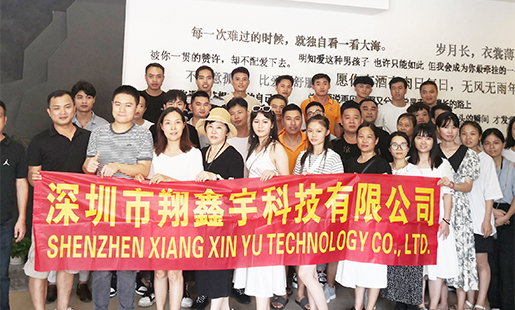
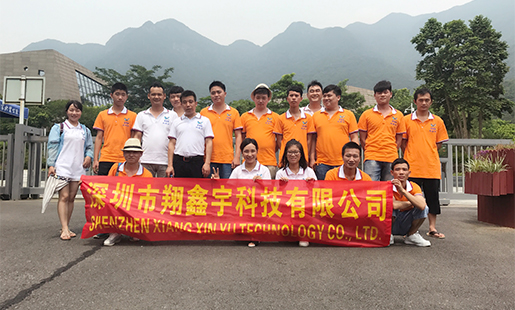
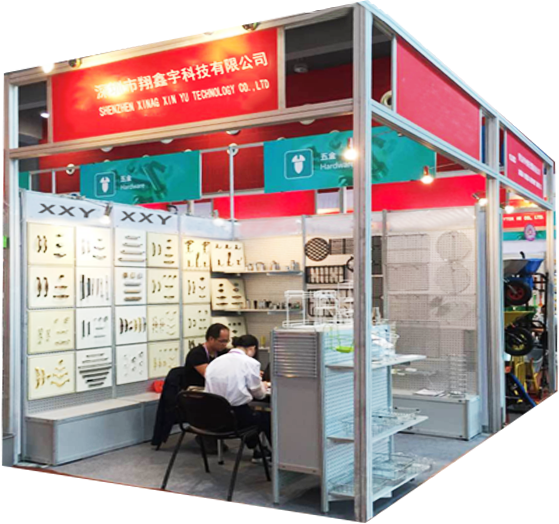
With years of deep-seated industrial experience and technical capabilities, Shenzhen Xiang Xin Yu Technology Co., Ltd. represents the cutting edge of high-precision CNC manufacturing services.
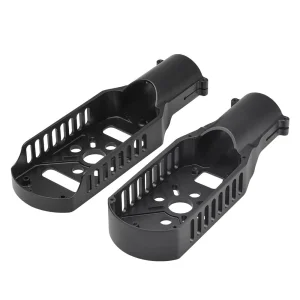
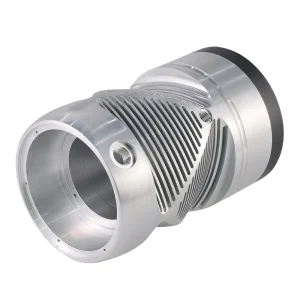
Equipped with state-of-the-art CNC machine tools and precision verification units, we comfortably execute the machining requirements of highly complex components. From critical structural aerospace components to life-saving medical micro-machined parts, and micro-structural components in high-end electronics, we provide our global clientele with high-quality products via custom craftsmanship and stringent quality controls.
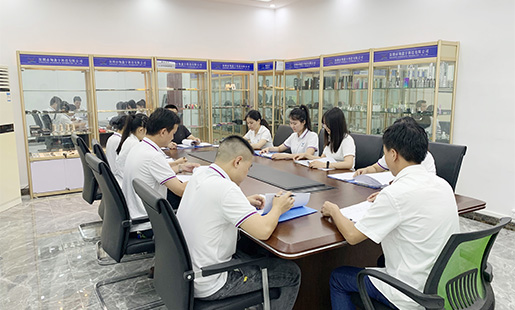
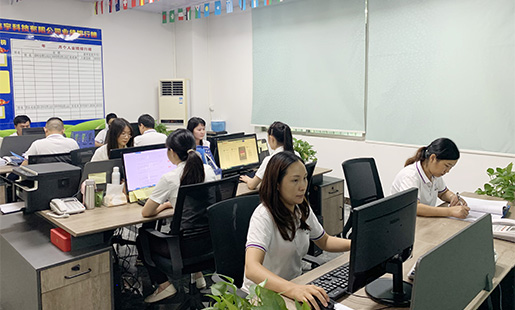
Our highly skilled professional team continuously tests and refines new processing steps and machining parameters. This dedication lowers production cycle times while maximizing output consistency, ensuring you receive your orders on schedule.
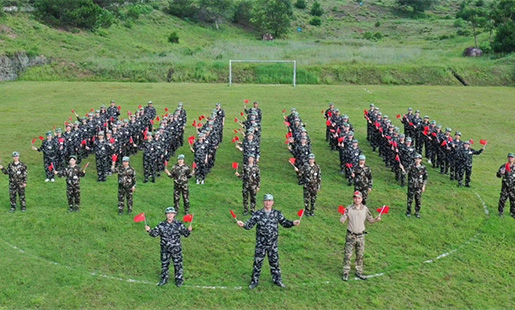
Our culture serves as the foundation of our engineering capabilities. We structure every machining project around five core operational values:
We encourage our staff to explore new toolpaths and machining methods to increase production efficiency and part performance.
We target zero defects by rigorously monitoring and controlling every stage of the manufacturing flow.
Collaboration across departments enables us to solve complex geometric challenges and share technical knowledge effectively.
Building honest, long-term partnerships with customers and raw material suppliers through fair business practices.
Recognizing the critical role our parts play in downstream applications, we execute every process step with high responsibility.
Valuing our team's diverse skills while aligning closely with client specifications and operational feedback.
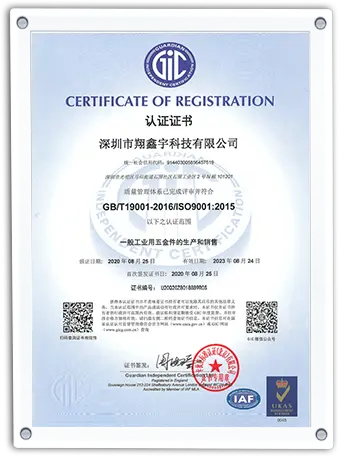
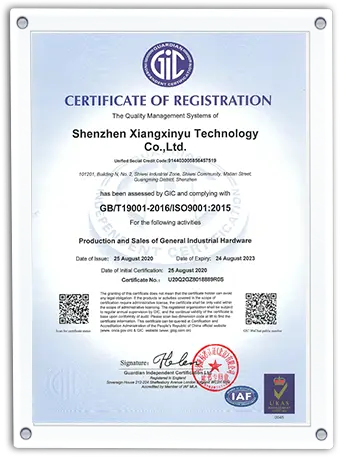
In precision engineering, certified skill sets and formalized quality management processes are essential. Our certifications validate the training of our staff and the reliability of our manufacturing systems:
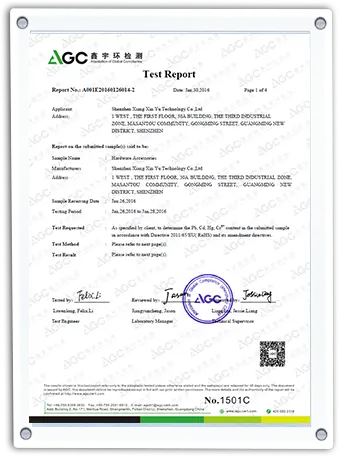
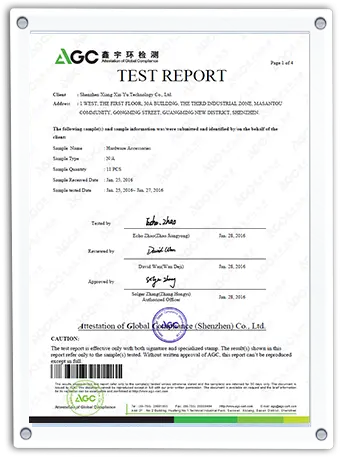
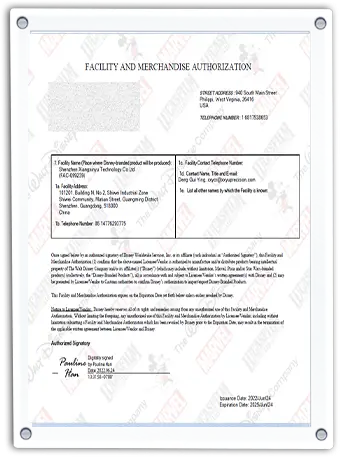
We provide fully compliant materials and processes, audited regularly to ensure compliance with RoHS standards and ISO metrics. Below is our documentation showing transparency across material batches and production processes:
High-precision custom milling is essential across industries where mechanical failure is not an option. Our multi-axis capabilities serve several key markets:
Milling of lightweight structural parts, turbine blades, and titanium fasteners. We focus on lightweight designs without compromising structural strength.
Complex parts for ventilators, diagnostic tools, and surgical instruments. Clean, burr-free surfaces are maintained using medical-grade PEEK, titanium, and stainless alloys.
Milling of engine prototypes, transmission housings, and specialized suspension components. We support rapid development from concept to batch production.
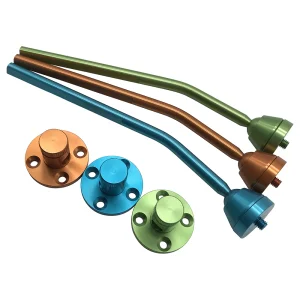
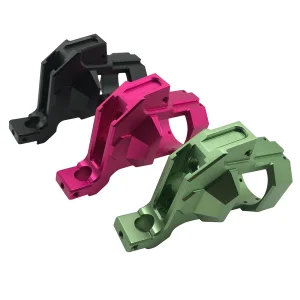
Anodized aluminum enclosures, copper heat sinks, and RF shielding casings with fine surface details and demanding geometric requirements.
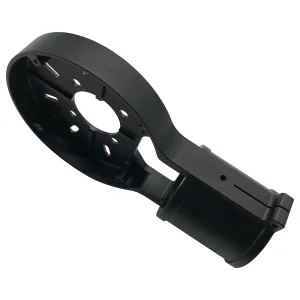
Custom gearboxes, actuator linkages, and sensor brackets, enabling reliable operation and long-term durability in automated environments.
Procuring custom milled components involves balancing geometric accuracy with total landed cost. This checklist helps optimize sourcing workflows:
Common technical and operational questions answered by our engineering and metrology teams.
Our standard production tolerances for multi-axis milling are ±0.01mm (±0.0004"). Under controlled thermal environments using high-grade tooling, we can reach sub-micron accuracy down to ±0.0025mm (±0.0001") for specific geometries and raw materials.
We confirm all incoming raw billets through spectral analysis. Material certifications are documented, and we provide formal RoHS compliance reports detailing that lead, cadmium, mercury, and polybrominated biphenyls remain within acceptable limits.
Our programming team works primarily in MasterCAM and UG (Unigraphics). These platforms allow us to simulate multi-axis machine movements, run collision checks, and refine chip removal paths before running physical parts.
The local manufacturing cluster provides immediate access to secondary processing services like anodizing, bead blasting, laser engraving, and heat treating. This vertical integration allows us to shorten lead times for low-volume runs that require multiple surface finishes.
Turn-mill systems combine lathe turning and mill operations into a single setup. This reduces manual handling, prevents registration errors between machines, and shortens cycle times, lowering unit costs for complex geometries.
Review our complete manufacturing line, including high-tolerance turning, turn-mill solutions, and multi-axis milling options.
 Xiang Xin Yu