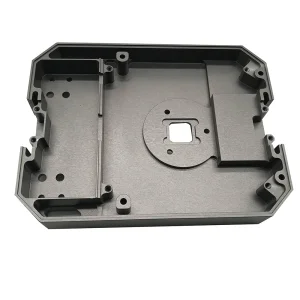
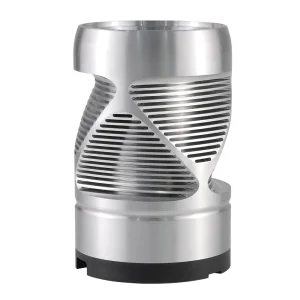
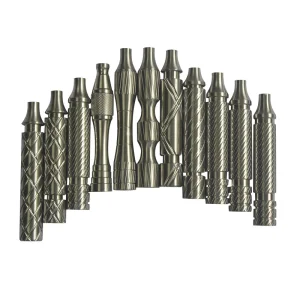
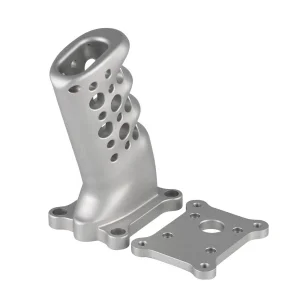
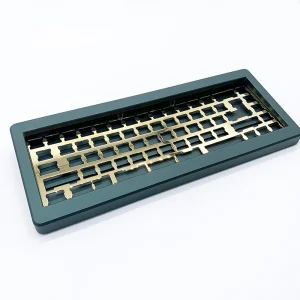
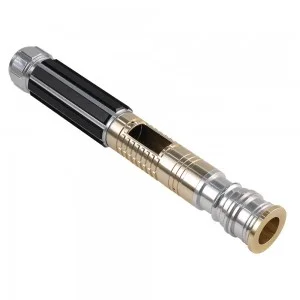
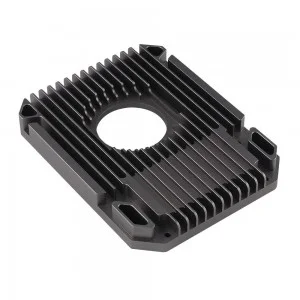
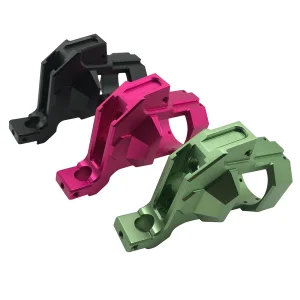
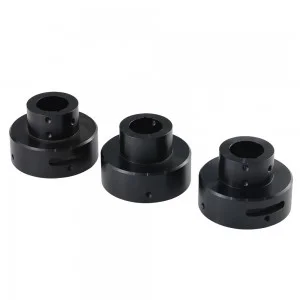
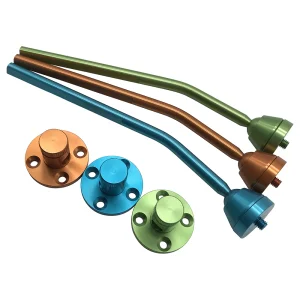
Explore our core manufacturing capabilities, ranging from flight-critical aerospace components to custom micro-machined medical elements.
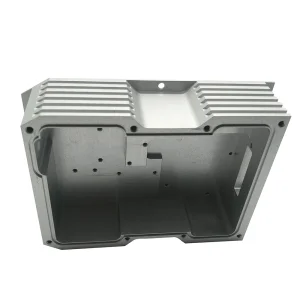
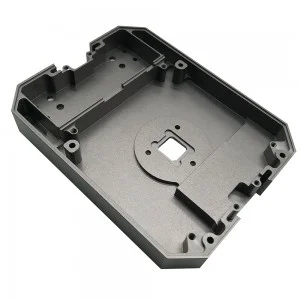
Shenzhen Xiang Xin Yu Technology Co.,Ltd. is an enterprise specializing in CNC machining, with many years of industry experience and outstanding technical strength. We are equipped with advanced CNC machine tools and equipment, which can meet the processing requirements of various complex and precise parts. From key components in the aerospace field to high-precision parts in the automotive industry, from fine components in medical equipment to micro-structural parts in the electronics industry, we can provide customers with high-quality products with exquisite craftsmanship and strict quality control.
The company focuses on technological innovation and talent cultivation, and has an experienced and highly skilled professional team. They constantly explore and research new processing techniques and methods to improve production efficiency and product quality. We always adhere to the customer-centered approach, deeply understand customer needs, and provide customers with customized solutions and all-round service support. From order receipt to product delivery, every link is strictly controlled to ensure the timely delivery of high-quality products.
In terms of quality control, we have established a perfect quality management system and strictly manage the purchase of raw materials, production process monitoring and finished product inspection to ensure that each product meets industry standards and customer requirements. In the future, we will continue to uphold the concepts of professionalism, innovation, quality and service, constantly enhance our own strength, provide customers with better CNC machining services, and become a leading enterprise in the industry.
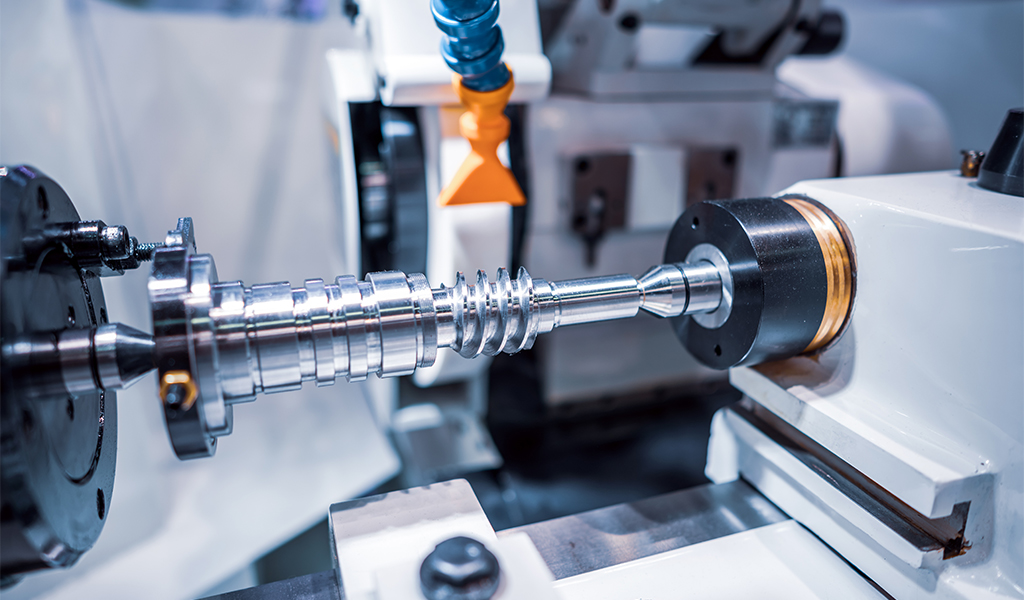
We are a professional CNC machining company, and our corporate culture is built on the following core values:
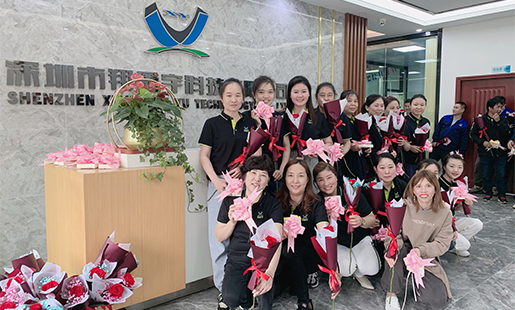
We encourage employees to continuously explore new processing methods and technologies to improve production efficiency and product quality and meet the changing needs of customers.
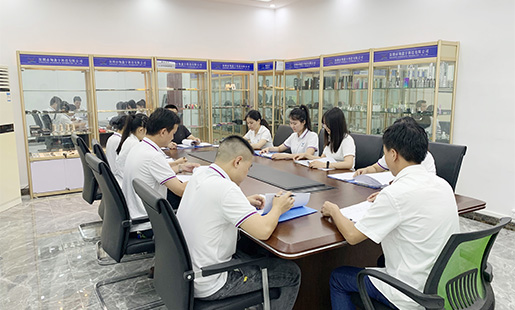
We pursue excellent quality, strictly control every processing link, and strive for zero defects to provide customers with the best products.
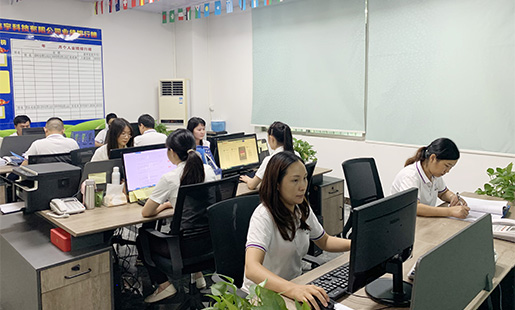
Team members support and collaborate with each other, jointly overcome difficulties, share experiences and knowledge, and form a strong whole.

Establish honest and cooperative relationships with customers and suppliers, keep promises, and treat every business with honesty and fairness.
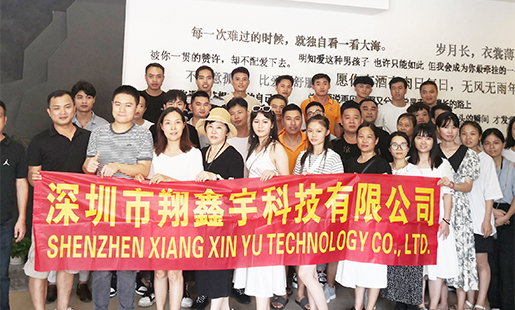
We are well aware that every product is related to the interests and safety of customers. Therefore, we always maintain a high sense of responsibility and take every job seriously.
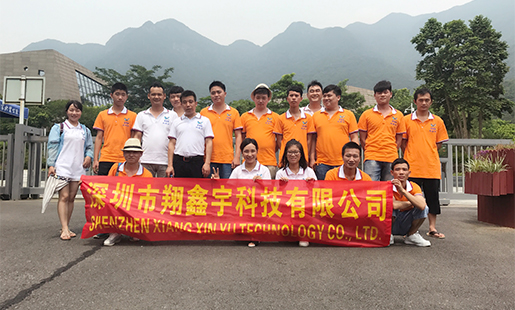
Respect the personality and ideas of each employee, provide a good development space for employees, and also respect the needs and opinions of customers.
Bridging the gap between conceptual CAD design and mass-market deployment via highly controlled subtractive and additive methodologies.
Selecting the optimal path between CNC milling and 3D printing depends on the structural criteria, isotropic load expectations, and raw materials required. CNC machining is highly favored for prototypes that demand end-use engineering plastics such as PEEK, PEI (Ultem), POM (Delrin), or Polycarbonate due to their superior structural density, mechanical stability, and tight dimensional tolerances (+/-0.05mm).
Conversely, Additive Manufacturing (SLA, SLS, FDM, and Multi Jet Fusion) excels in the rapid geometric realization of complex internal geometries and hollow structures. By understanding design intent, our engineering team optimizes toolpaths to guarantee structural integrity.
When prototyping volume needs exceed 100 units, standard single-cavity CNC machining might become less cost-effective. We utilize rapid tooling strategies—typically fabricating aluminum (QC-10) or soft steel (P20) prototype molds—to establish a bridge manufacturing pipeline.
This allows designers to test true injection-molded parts with actual shrink factors, gate orientations, and draft angles, ensuring seamless scalability prior to multi-cavity production tooling investment.
The next decade of manufacturing will be driven by ecological compliance. We are actively testing and validating bio-based engineering polymers, post-industrial recycled (PIR) materials, and compostable compounds like PLA, PHA, and bio-PA. These materials undergo extensive tensile and thermal stability testing to verify they meet target requirements for real-world functionality.
By using smart CAM systems and machine learning algorithms, we analyze part geometry to calculate the most efficient tool paths. This minimizes machining cycles, tool wear, and scrap rates, enabling us to deliver premium custom prototypes at highly competitive rates.
Custom solutions designed to meet the rigorous safety, durability, and performance requirements of key global industries.
| Industry Vertical | Common Materials | Critical Features & Standards | Key Applications |
|---|---|---|---|
| Aerospace & Defense | PEEK, PEI (Ultem 9085), Carbon-filled Nylon | UL94 V-0 Flammability, Outgassing Compliance, High Strength-to-Weight Ratio | Ductwork, interior brackets, functional electrical enclosures, and protective conduit connectors. |
| Medical & Surgical | PPSU (Radel), PC (Lexan), PTFE, PEEK | ISO 10993 Biocompatibility, Autoclave Resistance, USP Class VI Certification | Surgical guides, trial implants, medical device housings, and diagnostic component prototypes. |
| Automotive & EV Systems | PA66 (Nylon), POM (Delrin), PPA, PPS | Thermal Stability, Fuel and Chemical Resistance, High Impact Toughness | Intake manifolds, electrical connector plugs, fuel system housings, and battery insulation modules. |
| Electronics & Emerging Tech | ESD-Safe ABS, PMMA (Acrylic), PC, PET | Electrostatic Discharge Protection, Optical Clarity, Dimensional Stability | Sensor casings, light guides, structural chassis plates, and consumer electronic prototypes. |
Why manufacturing with Shenzhen Xiang Xin Yu Technology Co., Ltd. delivers optimal cost-to-quality ratios.
The convergence of advanced machinery and strategic geographical location makes Shenzhen the global epicentre of rapid prototyping. At Shenzhen Xiang Xin Yu Technology, our production floor operates under the principles of **Industry 4.0**. By utilizing IoT-enabled CNC centers and automated scheduling pipelines, we ensure that machine downtime is minimized and production milestones are reached with precision.
For international clients, this translates to unmatched supply chain resilience. Our direct factory status eliminates middleman markups, ensuring that your budget is allocated strictly to premium-grade raw materials and expert manufacturing processes. Through our close proximity to global logistics hubs in Hong Kong and Shenzhen, we are able to offer accelerated shipping options (FOB, DDP, DAP) that minimize lead times to Europe, North America, and beyond.
Additionally, we maintain a robust inventory of high-performance polymer raw materials, ensuring that we remain unaffected by sudden market shortages and can immediately begin fabrication once your CAD models are finalized.
Chinese direct factory for the silicone oil, MM, and other organosilicone materials.
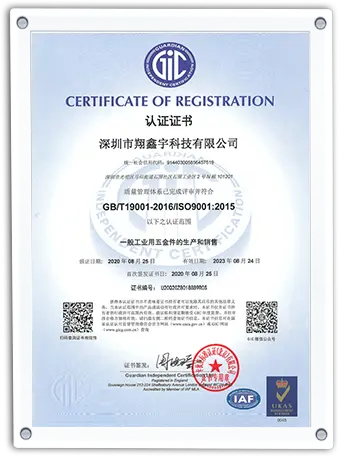
In a CNC machining company, professional certificates are important criteria for measuring the technical strength of the company and the professional quality of employees. Common professional certificates related to CNC machining include:
These professional certificates not only represent the individual professional skills of employees but also reflect the overall technical level and quality assurance ability of the company, helping to enhance the company's competitiveness in the market.
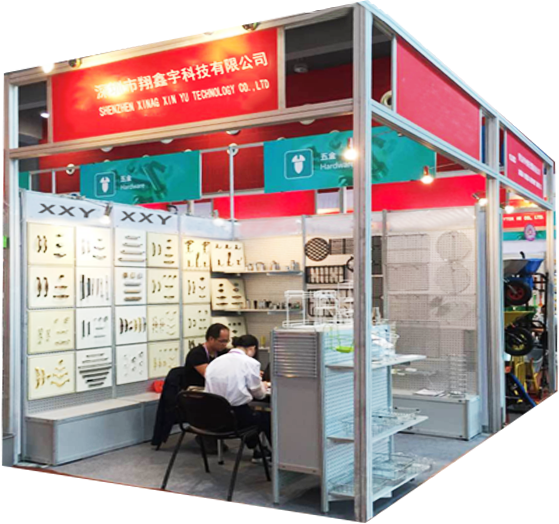
Official Quality Control Certifications
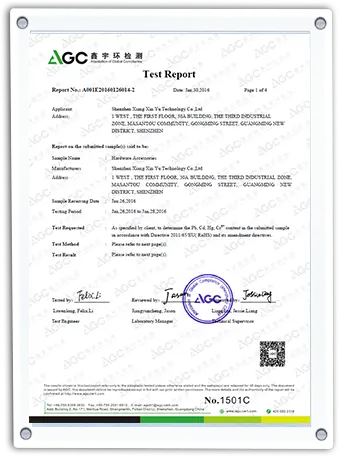
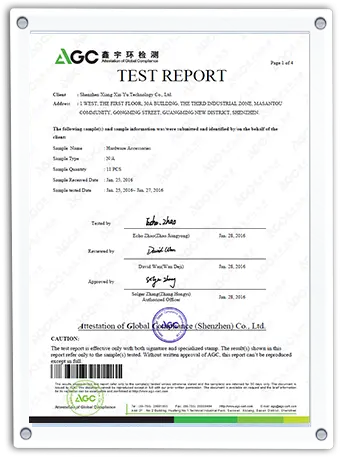
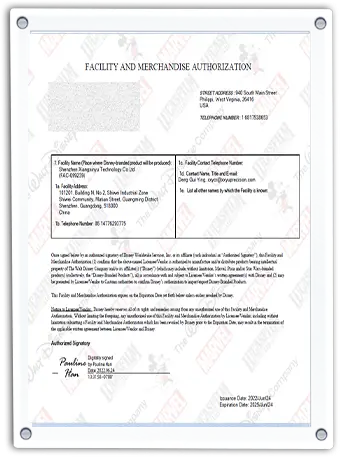
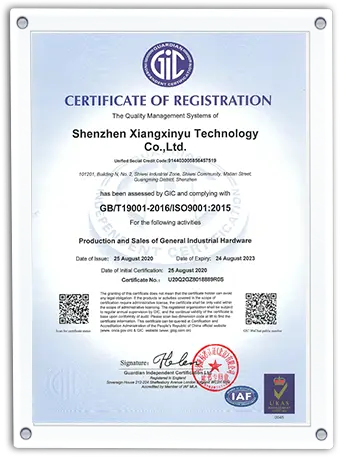
Simplifying cross-border procurement with absolute IP security and dedicated engineering support.
Procuring custom prototypes from international suppliers demands rigorous attention to **Intellectual Property (IP) Protection** and strict **Quality Assurance (QA)** protocols. At Shenzhen Xiang Xin Yu Technology Co., Ltd., we establish secure NDA (Non-Disclosure Agreement) frameworks with every client prior to receiving 3D CAD files (STEP, IGES, Parasolid formats). Our secure servers ensure your designs are restricted to authorized engineering personnel only.
Furthermore, our sales and engineering support teams operate in dynamic, localized coverage loops. Whether you are situated in North America, Europe, or the Asia-Pacific region, we guarantee communication responses within 24 hours. Our engineers possess the English proficiency and technical expertise required to discuss Design for Manufacturability (DFM) modifications, suggest cost-effective alternatives, and assist you in selecting the ideal polymer materials for your application.
Answers to crucial procurement and engineering questions to streamline your development process.
Explore our specialized CNC capabilities, precision turning components, and custom-engineered parts.
 Xiang Xin Yu