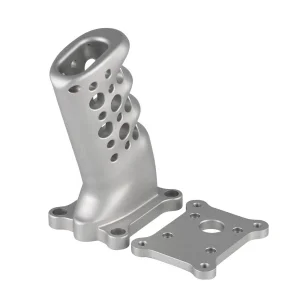
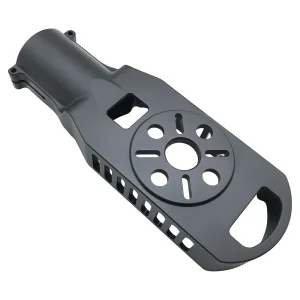
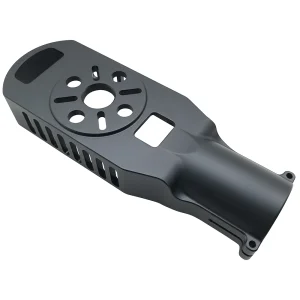
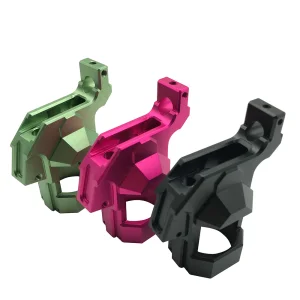
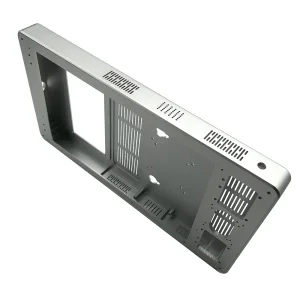
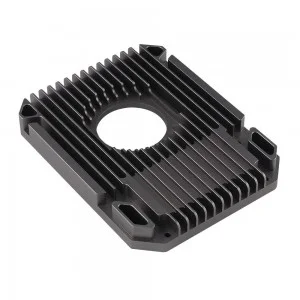
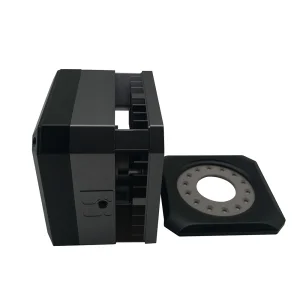
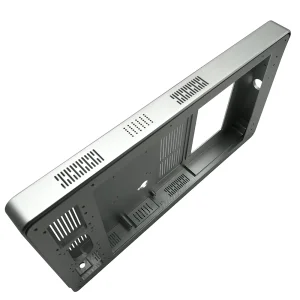
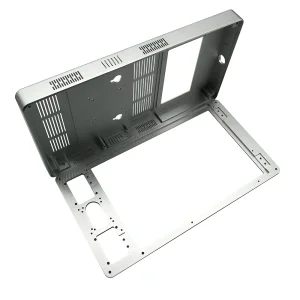
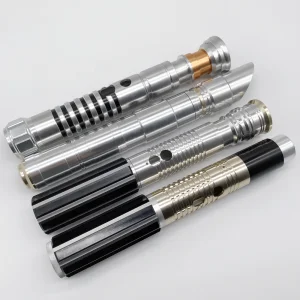
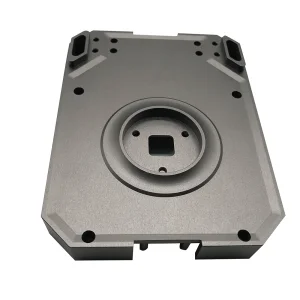
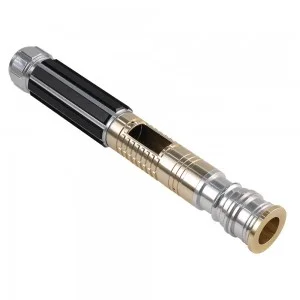
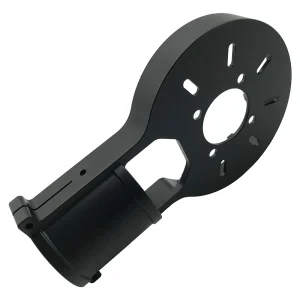
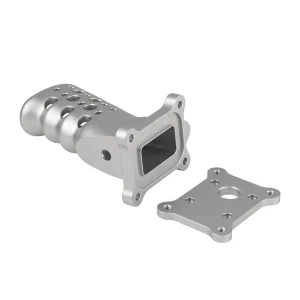
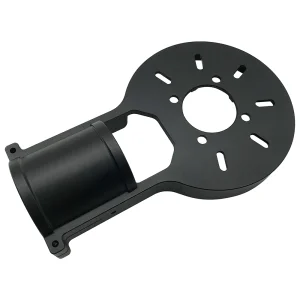
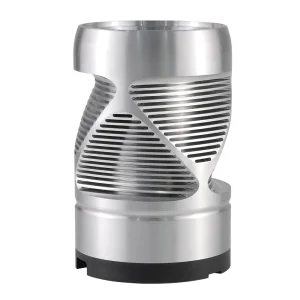
Explore our core manufacturing portfolio showcasing state-of-the-art CNC machined and additive solutions engineered to support complex mechanical architectures.
Shenzhen Xiang Xin Yu Technology Co.,Ltd. is an enterprise specializing in CNC machining, with many years of industry experience and outstanding technical strength. We are equipped with advanced CNC machine tools and equipment, which can meet the processing requirements of various complex and precise parts. From key components in the aerospace field to high-precision parts in the automotive industry, from fine components in medical equipment to micro-structural parts in the electronics industry, we can provide customers with high-quality products with exquisite craftsmanship and strict quality control.
The company focuses on technological innovation and talent cultivation, and has an experienced and highly skilled professional team. They constantly explore and research new processing techniques and methods to improve production efficiency and product quality. We always adhere to the customer-centered approach, deeply understand customer needs, and provide customers with customized solutions and all-round service support. From order receipt to product delivery, every link is strictly controlled to ensure the timely delivery of high-quality products.
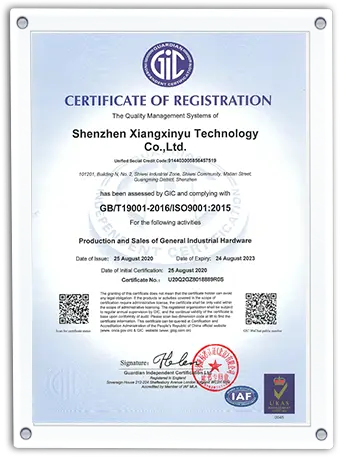
In terms of quality control, we have established a perfect quality management system and strictly manage the purchase of raw materials, production process monitoring and finished product inspection to ensure that each product meets industry standards and customer requirements. In the future, we will continue to uphold the concepts of professionalism, innovation, quality and service, constantly enhance our own strength, provide customers with better CNC machining services, and become a leading enterprise in the industry.
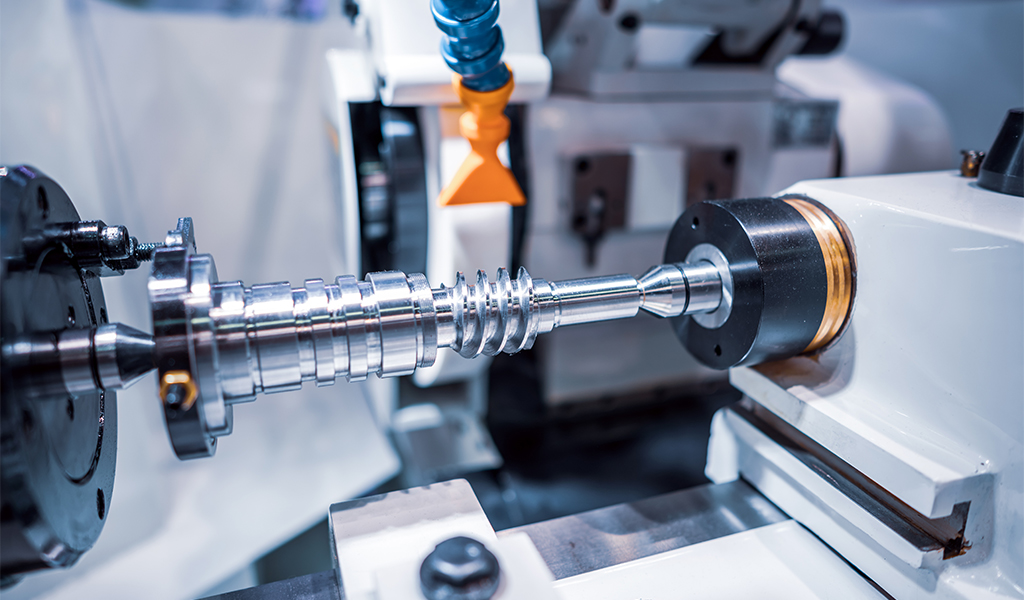
As a leading brass turned parts manufacturer, our manufacturing paradigm integrates materials science, advanced kinematics, and strict quality control. Copper-zinc alloys (brass) are favored for their excellent machinability, high electrical conductivity, superior corrosion resistance, and aesthetic finish. Achieving micron-level precision requires deep understanding of shear angles, chip formation, and heat dispersal.
The selection of the brass grade directly dictates the physical properties and machinability indices of the components. Below is an engineering matrix highlighting the standard grades utilized in our CNC turning processes:
| Alloy Grade (UNS / ISO) | Chemical Composition (Key Elements) | Machinability Rating | Primary Application Fields |
|---|---|---|---|
| C36000 (Free-Cutting Brass) | Cu 61.5%, Zn 35.4%, Pb 3.1% | 100% (Standard) | High-speed turned parts, fasteners, gears, valves, electrical connectors. |
| C37700 (Forging Brass) | Cu 60%, Zn 38%, Pb 2% | 70% | Complex shapes requiring combined hot-forging and secondary precision turning. |
| C23000 (Red Brass) | Cu 85%, Zn 15% | 30% | High-strength plumbing components, architectural elements, marine hardware. |
| C69300 (Eco-Brass / Lead-Free) | Cu 76%, Zn 21%, Si 3% (Lead < 0.09%) | 80% | Potable water supply, medical devices, EU RoHS/REACH strict compliance parts. |
We are a professional CNC machining company, and our corporate culture is built on the following core values:
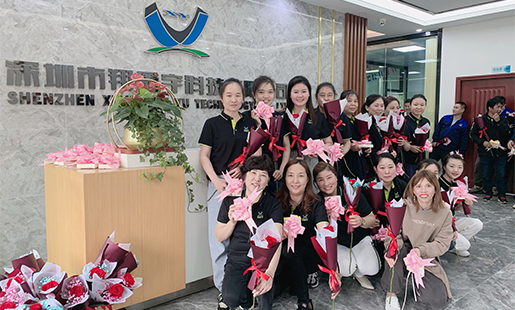
We encourage employees to continuously explore new processing methods and technologies to improve production efficiency and product quality and meet the changing needs of customers.
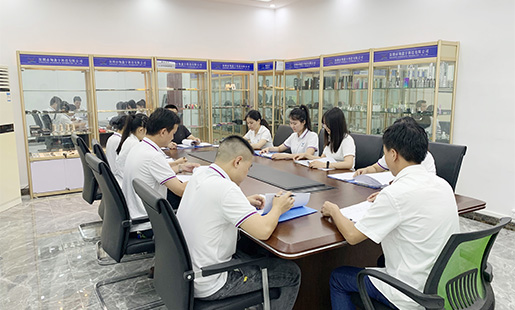
We pursue excellent quality, strictly control every processing link, and strive for zero defects to provide customers with the best products.
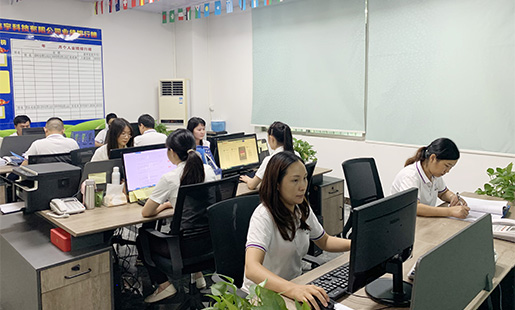
Team members support and collaborate with each other, jointly overcome difficulties, share experiences and knowledge, and form a strong whole.

Establish honest and cooperative relationships with customers and suppliers, keep promises, and treat every business with honesty and fairness.
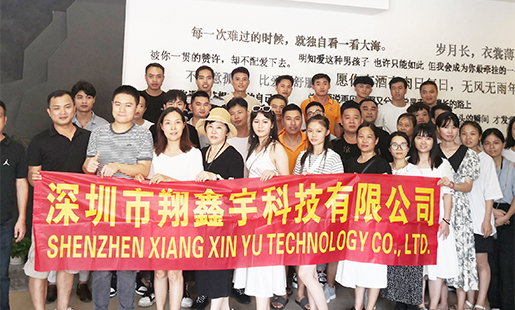
We are well aware that every product is related to the interests and safety of customers. Therefore, we always maintain a high sense of responsibility and take every job seriously.
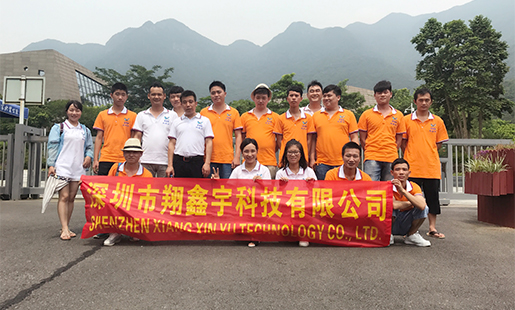
Respect the personality and ideas of each employee, provide a good development space for employees, and also respect the needs and opinions of customers.
Precision brass turned parts form the bedrock of critical engineering assemblies worldwide. Through close alignment with market-specific parameters, we provide optimized parts across several demanding verticals:
In applications requiring electromagnetic shielding, corrosion prevention, and structural robustness, our brass components perform reliably. We supply critical components like custom instrumentation inserts, navigation connectors, and corrosion-resistant fasteners designed to withstand severe atmospheric and thermal shifts.
Sanitary regulations necessitate materials that resist biofilm accumulation and handle chemical washing cycles. Utilizing lead-free brass, we fabricate fluid-control manifolds, valves, specialized sensor housings, and imaging device components that comply with international safety criteria.
Modern automotive design prioritizes electrical efficiency. From EV battery charging contacts, internal sensor components, and high-tolerance gas control orifices, our brass parts ensure robust electrical pathways and reliable performance under high vibration environments.
In hydraulic systems, pneumatic machinery, and photovoltaic setups, we provide essential flow-control components, high-amperage electrical terminals, and robust custom housings built for reliable operation over decades.
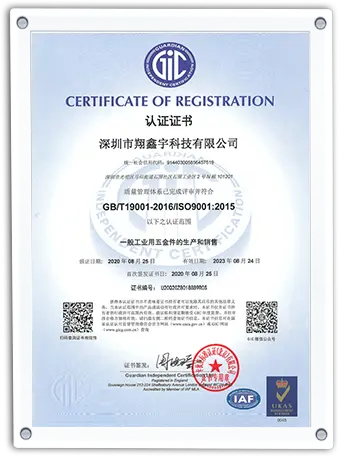
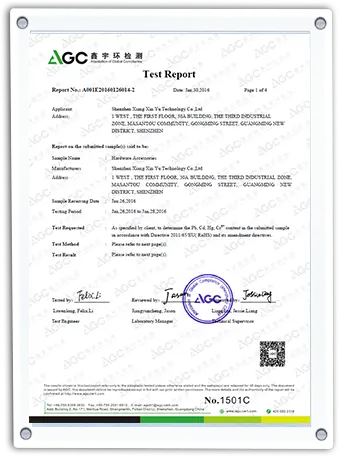
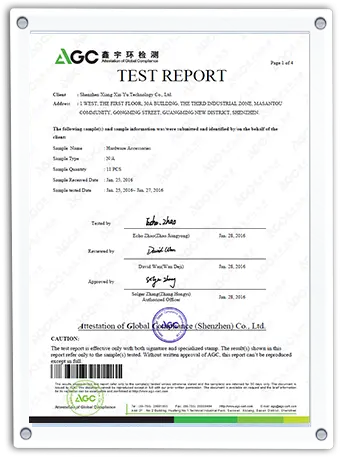
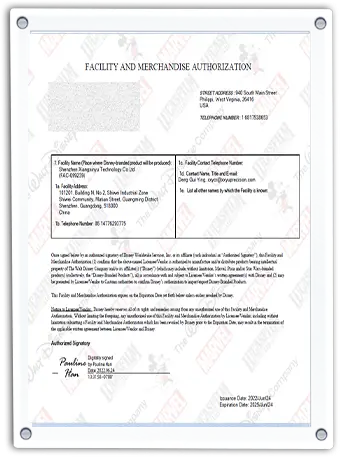
In a CNC machining company, professional certificates are important criteria for measuring the technical strength of the company and the professional quality of employees. Common professional certificates related to CNC machining include:
These professional certificates not only represent the individual professional skills of employees but also reflect the overall technical level and quality assurance ability of the company, helping to enhance the company's competitiveness in the market.
Chinese direct factory for the silicone oil,MM,and other organsilicone materials
Manufacturing in China is shifting from low-cost labor to high-precision automation and technology-driven operations. At Shenzhen Xiang Xin Yu Technology, we utilize Factory 4.0 practices to streamline production and offer competitive pricing globally:
Our manufacturing execution system (MES) monitors tool wear, spindle speed, and structural tolerances in real time. This minimizes material waste and ensures consistent quality across large production runs.
We use automated bar feeders and mechanical component extractors on our CNC lathe lines to keep production running continuously, optimizing throughput and lowering operational overhead.
Located in Shenzhen's manufacturing hub, we maintain direct relationships with premium copper refineries. This ensures steady raw material supply and helps protect our clients from market price fluctuations.
As global industries shift toward environmental sustainability and higher component complexity, we are continually evolving our manufacturing capabilities. Our developmental roadmap focuses on three main initiatives:
Sustainability is increasingly critical for industrial partners. We have implemented a closed-loop collection system that recovers, filters, and briquettes 100% of our brass machining chips, returning them to casting foundries to minimize carbon footprint. Additionally, we are transitioning to dry and Minimum Quantity Lubrication (MQL) processing to decrease chemical footprint and fluid waste.
Our machinery acquisitions focus on next-generation Swiss-style CNC machines that integrate turn-mill features and lasers. This setup allows for secondary deburring and laser marking in a single process step, ensuring dimensional accuracy for components down to 0.2mm in diameter.
To move beyond traditional post-process quality control, we are deploying high-resolution optical cameras inside our lathe enclosures. Supported by machine learning algorithms, these vision systems identify tool wear and potential deviations during the machining cycle, helping prevent defects before they occur.
Procuring custom hardware from offshore partners involves evaluating total cost, logistics, and quality assurance. When sourcing brass components, consider the following parameters:
Working with a manufacturer that manages customs compliance and offers flexible incoterms (DDP, CIF, FOB) helps prevent port delays and controls freight costs. Our proximity to the Port of Shenzhen allows for efficient shipping options globally.
We provide complete material test reports (MTRs), RoHS and REACH certification letters, and coordinate independent laboratory testing to verify compliance for applications in food, medical, and consumer electronics.
To help engineers and procurement specialists make informed decisions, we have answered some of the most common questions regarding brass turned components:
Browse our selection of specialized engineering products designed for complex assembly requirements, defense applications, and multi-axis manufacturing tasks.
 Xiang Xin Yu