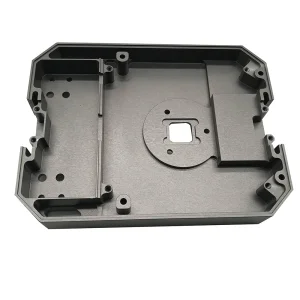
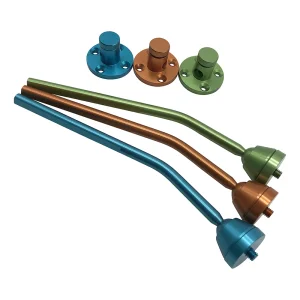
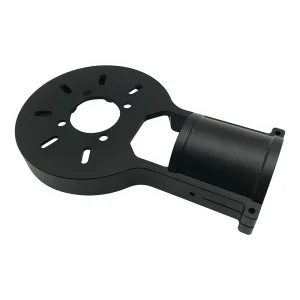
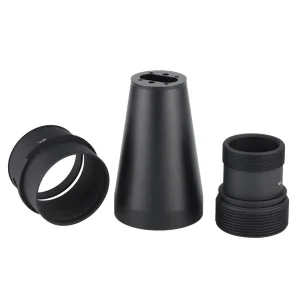
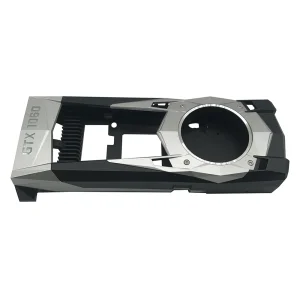
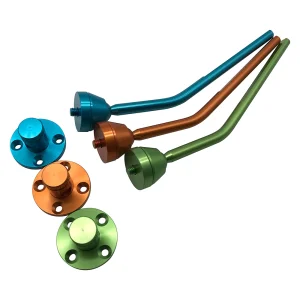
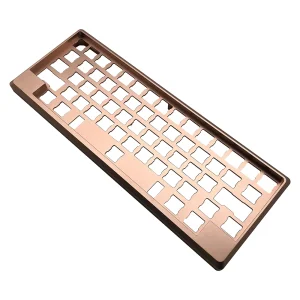
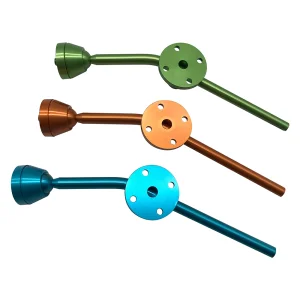
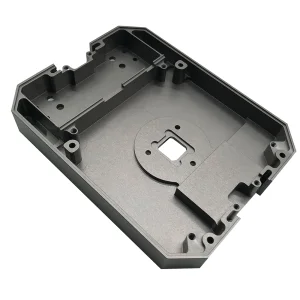
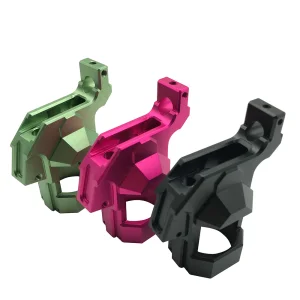
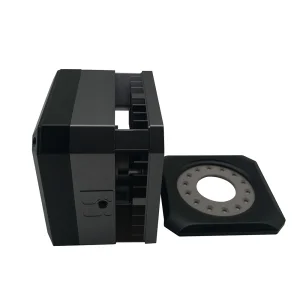
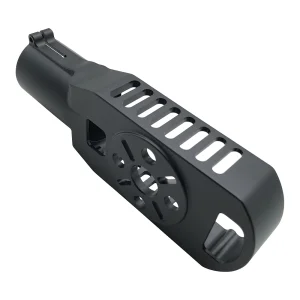
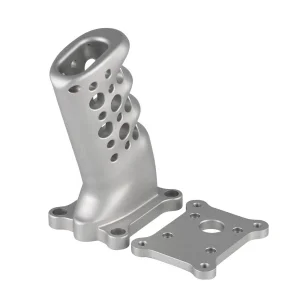
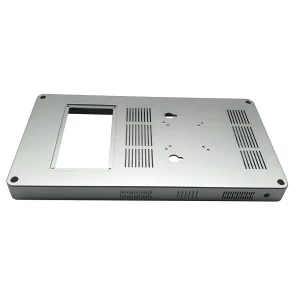
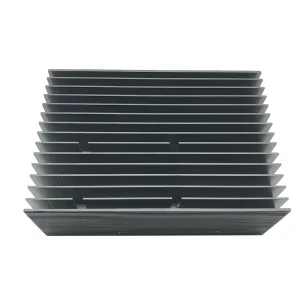
Explore our primary manufacturing outputs engineered for tolerances, micro-structures, and flight-critical endurance limits.
An enterprise specializing in high-end CNC machining, backed by decades of technical refinement and advanced manufacturing systems.
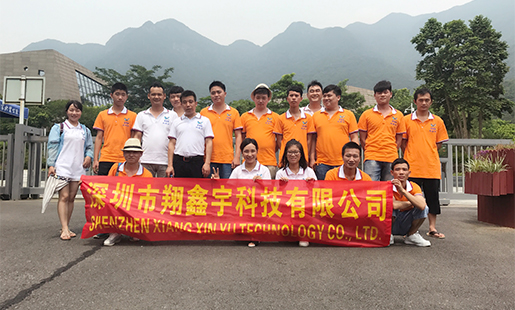
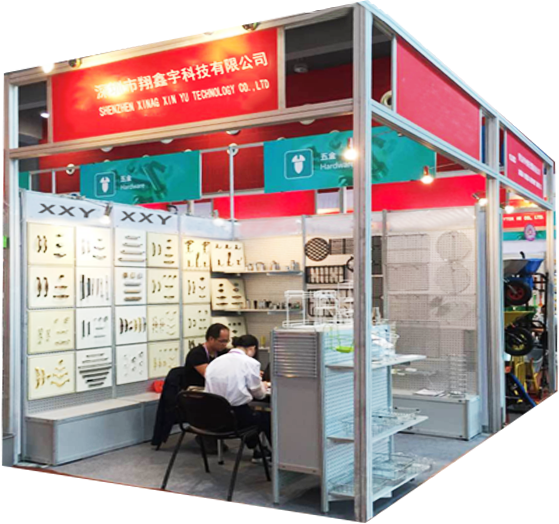
We are equipped with advanced CNC machine tools and equipment, which can meet the processing requirements of various complex and precise parts. From key components in the aerospace field to high-precision parts in the automotive industry, from fine components in medical equipment to micro-structural parts in the electronics industry, we can provide customers with high-quality products with exquisite craftsmanship and strict quality control.
The company focuses on technological innovation and talent cultivation, and has an experienced and highly skilled professional team. They constantly explore and research new processing techniques and methods to improve production efficiency and product quality.
We always adhere to the customer-centered approach, deeply understand customer needs, and provide customers with customized solutions and all-round service support. From order receipt to product delivery, every link is strictly controlled to ensure the timely delivery of high-quality products.
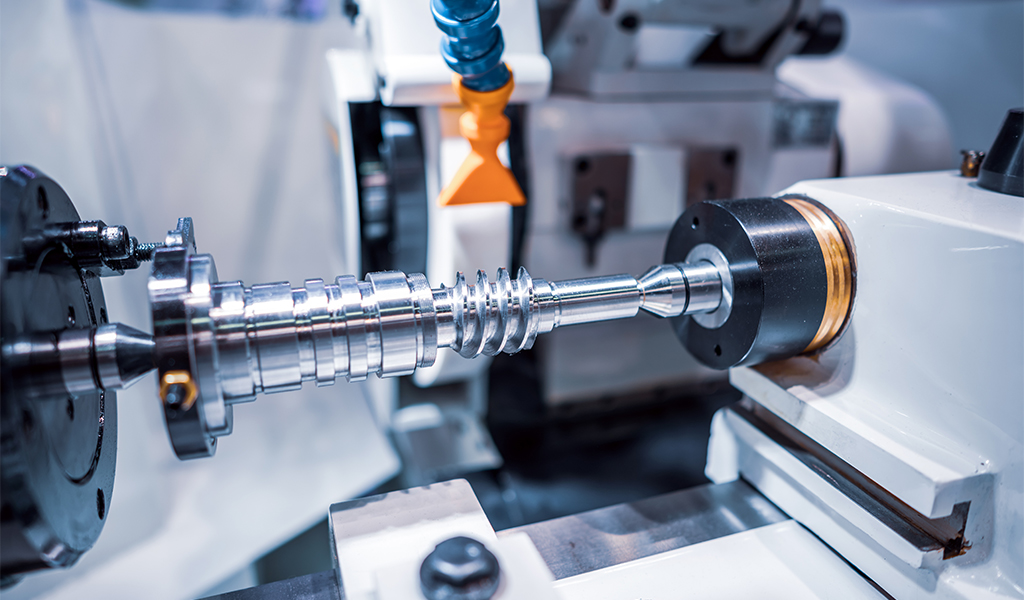
We are a professional CNC machining company, and our corporate culture is built on the following core values:
We encourage employees to continuously explore new processing methods and technologies to improve production efficiency and product quality and meet the changing needs of customers.
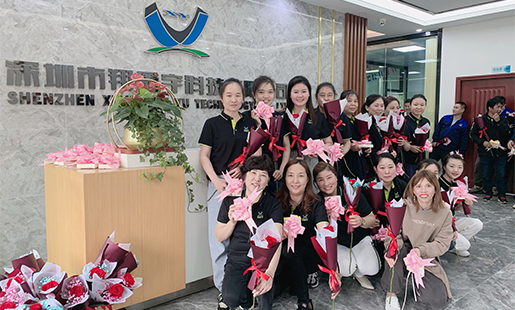
We pursue excellent quality, strictly control every processing link, and strive for zero defects to provide customers with the best products.
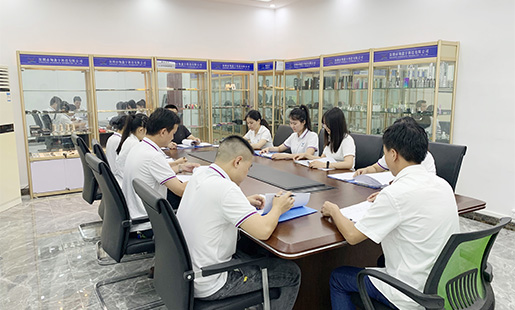
Team members support and collaborate with each other, jointly overcome difficulties, share experiences and knowledge, and form a strong whole.

Establish honest and cooperative relationships with customers and suppliers, keep promises, and treat every business with honesty and fairness.

We are well aware that every product is related to the interests and safety of customers. Therefore, we always maintain a high sense of responsibility and take every job seriously.
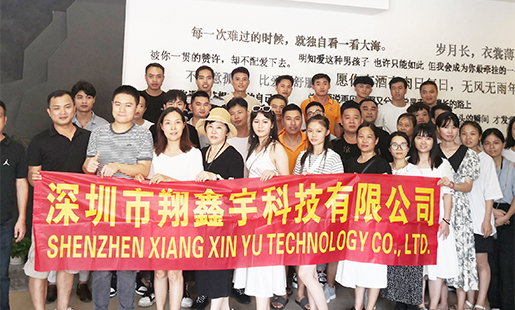
Respect the personality and ideas of each employee, provide a good development space for employees, and also respect the needs and opinions of customers.
A deep dive into the cost structures, optimization algorithms, and technical considerations that define modern CNC pricing paradigms.
In high-precision manufacturing, a CNC machining quote is not merely a pricing estimate; it is the mathematical representation of raw material properties, geometric complexity, setup configurations, and quality assurance overheads. In the procurement of high-quality components, understanding the underlying mechanisms of these quotes allows supply chain directors to optimize design paradigms for maximum cost-efficiency.
The raw stock envelope required to house a finished part plays a key role in the pricing. In multi-axis machining, structural raw stock is removed to expose the design. Materials like Aerospace Aluminum 7075-T6, Titanium Grade 5 (Ti-6Al-4V), and high-performance plastics (PEEK, Ultem) carry different material base costs. Optimal tool pathing minimizes raw block waste, and quotes take into account the "Buy-to-Fly" ratio—the ratio of the mass of the starting material to the mass of the final part.
Machine time calculation depends on the selected machinery class. 3-axis CNC systems are efficient for simple prismatic designs but require manual flipping (re-setup) for multi-faced geometries. 5-axis synchronous machining systems optimize processing speed and yield extreme geometric fidelity but command higher hourly operational rates. When we compile your quote, our advanced DFM (Design for Manufacturability) analysis automatically maps your CAD features to the optimal machine class to minimize setups and tool changes.
The visual, mechanical, and protective layers applied post-machining require technical planning. Bead blasting, Type II/III anodizing, electroless nickel plating, and passivation add chemical resistance and aesthetic appeal. However, each layer modifies the dimensional tolerances of critical holes and mating surfaces. High-end quote providers calculate these variances and program offsets directly into CAM tooling paths, ensuring the final assembly functions flawlessly.
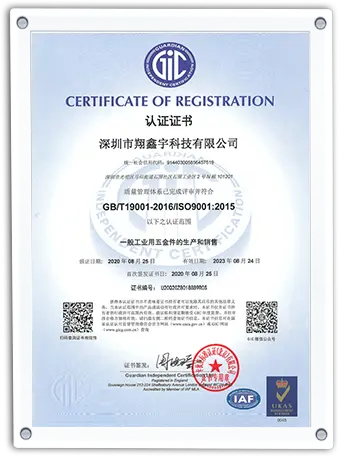
In a CNC machining company, professional certificates are important criteria for measuring the technical strength of the company and the professional quality of employees.
Our quality management workflow is designed to prevent variance. We maintain a robust roster of certified technicians and operators holding specialty qualifications, including:
These professional certificates not only represent the individual professional skills of employees but also reflect the overall technical level and quality assurance ability of the company, helping to enhance the company's competitiveness in the market.
Direct Chinese factory supplying precision materials, silicone oils, and structural components with full batch traceability and environmental safety compliance certificates.
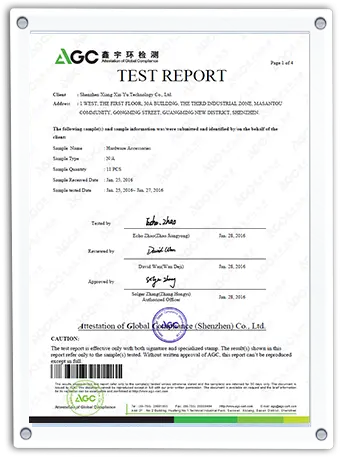
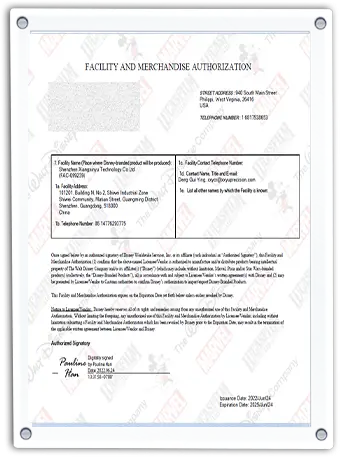
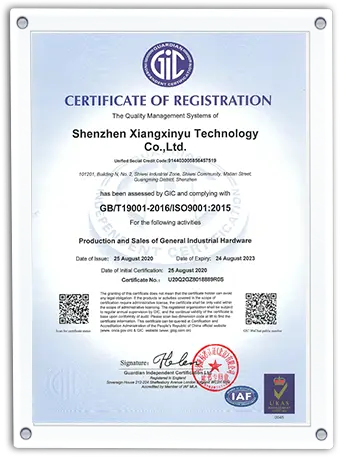
Addressing supply chain vulnerability, material pricing volatility, and localized production compliance.
To mitigate geopolitically induced disruptions, we maintain direct logistics channels and buffer stocks of premium metals, ensuring stable pricing and lead times regardless of macro conditions.
Leveraging high-throughput automation and automated raw inventory planning, we reduce overheads on mass production runs, passing the cost advantages directly to the client's bottom line.
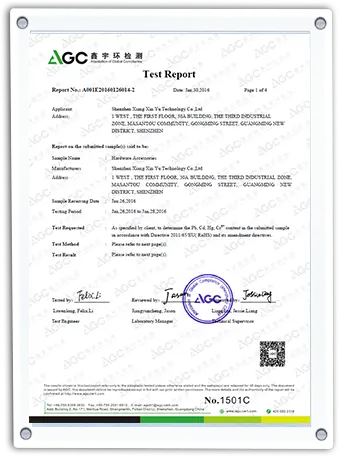
Every batch of raw materials is accompanied by mill certifications (material chemical analysis certificates) and conforms to strict REACH, RoHS, and local manufacturing laws.
Our technological path relies heavily on automation, software integration, and digital twin technology.
Integrating generative AI inside CAM tool path construction to identify optimal cutter entry angles, reducing roughing times by 25% and tool wear rates by 18%.
Installing optical and contact-sensitive scanning probes directly inside the spindle to verify tolerances against the design CAD model while parts remain mounted, eliminating post-process repositioning errors.
Directly pelletizing and recycling clean aluminum chips and turnings, creating closed-loop metal flows to help aerospace and automotive companies hit strict corporate ESG carbon-reduction mandates.
Critical questions answered regarding quoting timelines, tolerancing parameters, and material procurement structures.
Extended catalog of specialized components designed for zero-defect integration across engineering sectors.
 Xiang Xin Yu