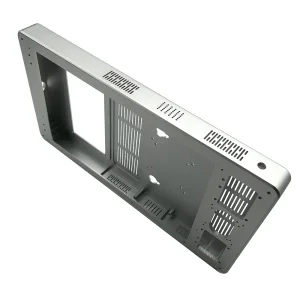
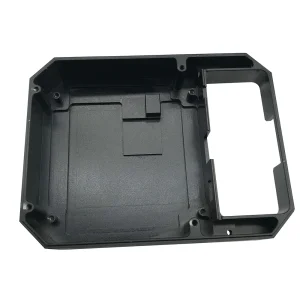
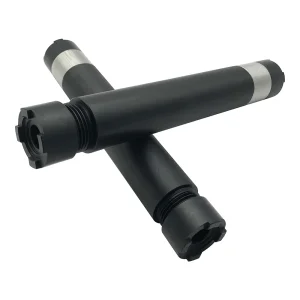
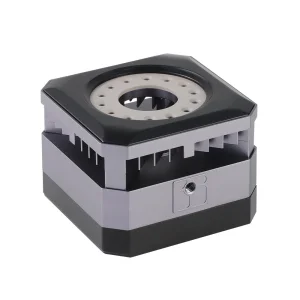
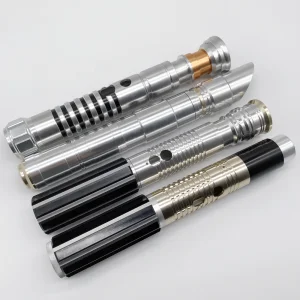
Explore our high-performance components precision-engineered for aerospace, high-pressure hydraulics, signal integrity, and high-integrity energy solutions.
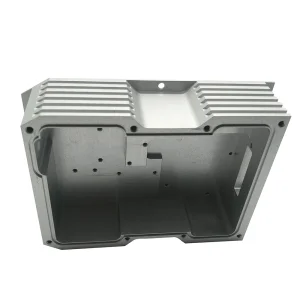
Understanding the micro-economies and metallurgy behind critical machined parts in today's high-tech landscape.
In the contemporary industrial ecosystem, precision machined parts fabricated from stainless steel and brass represent the physical backbone of critical sectors including aerospace, automotive propulsion, high-performance medical systems, next-generation electrical infrastructure, and high-pressure fluid dynamics. As geopolitical factors and trade resilience drive manufacturers to audit their supply chains, the demand for Tier-1 machining facilities equipped with advanced CAD/CAM processes and strict quality systems is surging.
Stainless steel machining is defined by its ability to deliver superior mechanical properties, resistance to aggressive chemical corrosives, and high thermal stability. Industries rely heavily on Austenitic grades (like 304 and 316) for their passive chromium oxide layer, which prevents galvanic and pitting corrosion in marine or cleanroom environments. Conversely, brass parts—primarily C36000 free-cutting brass and lead-free alloys—provide exceptional machinability, excellent electrical conductivity, and natural low-friction properties, making them indispensable for connectors, high-frequency signal systems, and complex fluid fittings.
Evaluating chemical composition profiles (such as nickel, chromium, zinc, and copper ratios) to optimize machine settings, reducing tooling wear and assuring design integrity.
Utilizing 5-axis turning and milling configurations to produce complex components with minimal setups, maintaining tight concentricity and true-position tolerances.
Deploying advanced CMM dimensional validation, digital profile projectors, and raw material traceabilities to verify compliance with strict global standards.
A premier enterprise specializing in professional CNC machining with years of engineering experience and technical strength.
Equipped with advanced CNC machine tools and inspection systems, we routinely handle complex, high-tolerance components. From critical parts in aerospace to high-precision components in automotive assembly, medical instrumentation, and electronics, we ensure every run meets exact specifications with meticulous craftsmanship and strict quality control.
Our commitment to technical innovation and engineering expertise keeps us at the forefront of the industry. Our engineers continuously explore new processes, tool geometries, and milling strategies to optimize production efficiency and product quality.
Adhering to a customer-focused approach, we partner with clients from prototype to production, ensuring prompt delivery and reliable performance on every project.
A detailed comparison of material characteristics, mechanical strengths, and optimal application zones.
Choosing between stainless steel and brass is crucial for long-term part reliability and cost efficiency. Below is an engineering overview mapping mechanical parameters to performance requirements.
Built on innovation, excellence, cooperation, integrity, responsibility, and respect.
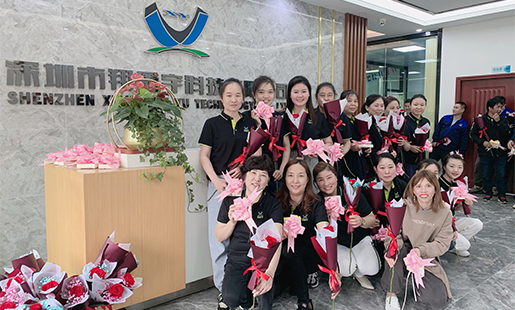
We encourage team members to explore new processes and technologies to improve production efficiency, reduce waste, and meet evolving client needs.
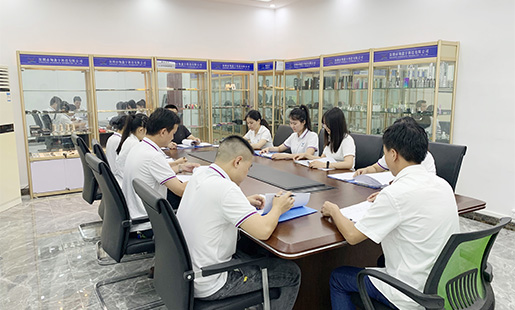
We strive for zero defects by monitoring every processing link, from material sourcing to final inspection, ensuring the highest standards of quality.

Our engineers and operators collaborate closely to resolve complex design challenges, share technical knowledge, and deliver reliable solutions.

We build open, honest partnerships with customers and suppliers, keeping commitments and conducting business with transparency and fairness.
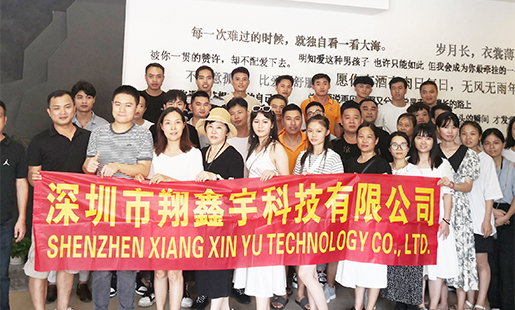
Understanding that each component impacts the safety and performance of customer applications, we maintain high standards of quality assurance at every stage.
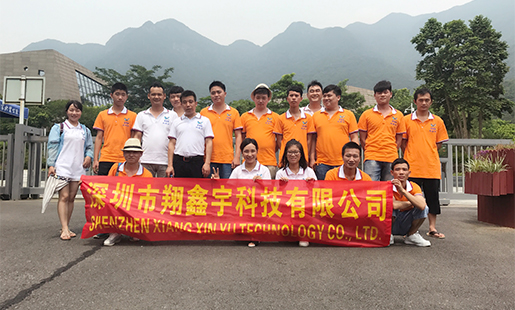
We respect the input and expertise of our team members, fostering a collaborative work environment while remaining responsive to our customers' needs.
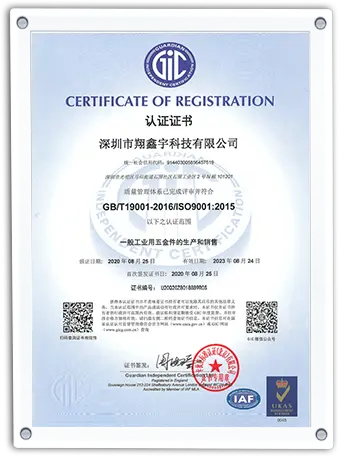
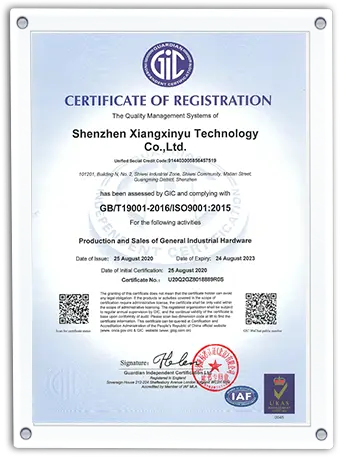
Our commitment to manufacturing reliability is backed by internationally recognized quality systems.
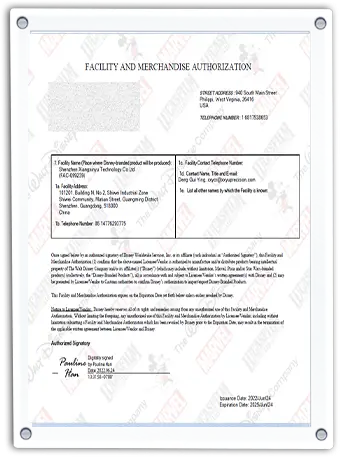
In CNC manufacturing, certifications are a key measure of technical capability and quality control. We implement a rigorous quality assurance framework to ensure every machined component meets or exceeds customer requirements.
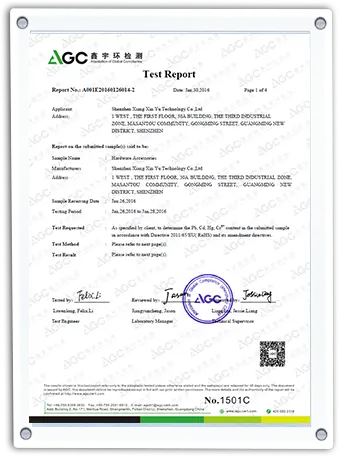
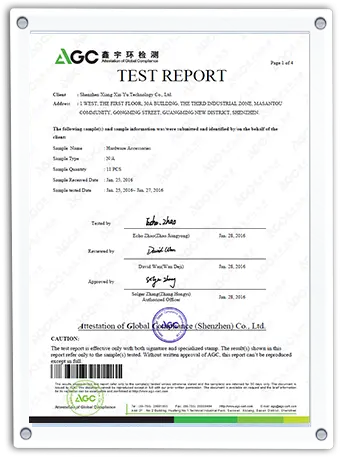
Essential Certification Credentials we support:
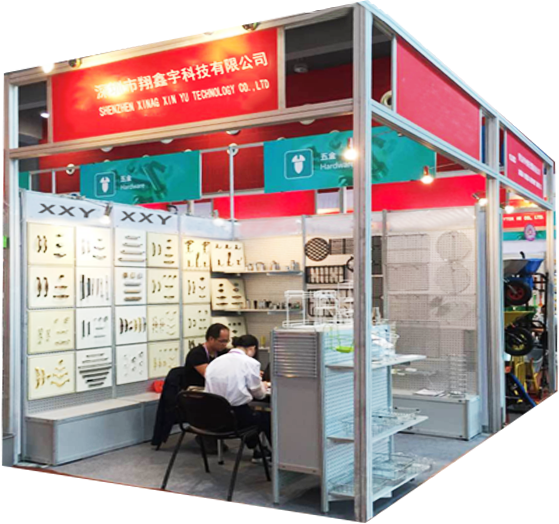
Direct factory source verification reports for material safety, environmental compliance, and quality consistency.
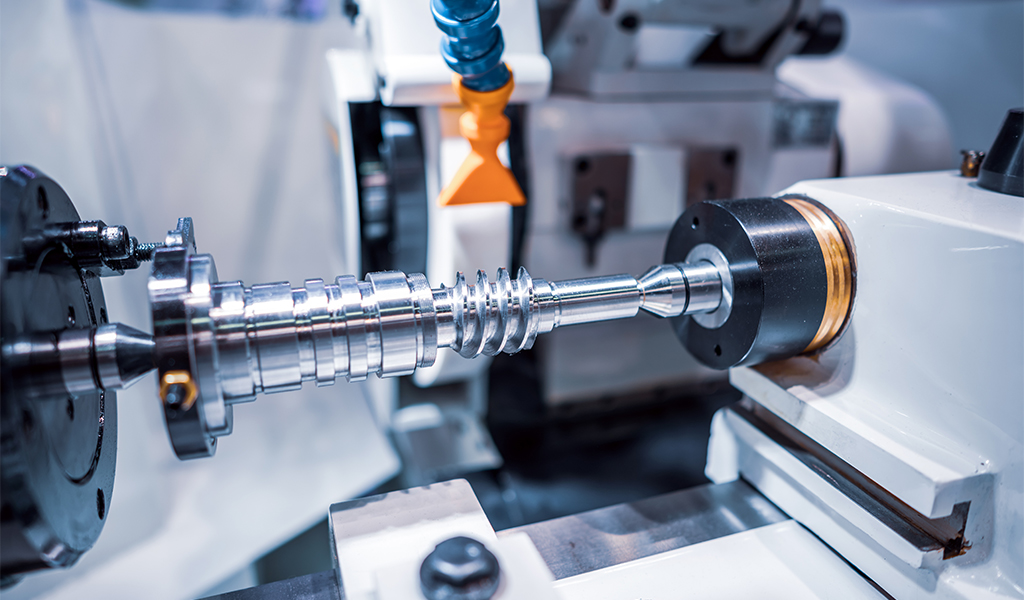
A look at the advanced equipment and multi-axis configurations used to produce high-precision metal parts.
To machine complex stainless steel and brass parts efficiently, we leverage a range of advanced multi-axis platforms that consolidate setup operations and maintain tight concentricity. By minimizing the repositioning of parts, we improve dimensional consistency and ensure clean alignment across complex features.
Our twin-spindle, multi-turret turn-mill systems combine lathe turning and mill pocketing into a single operation. This approach improves productivity and is ideal for high-precision cylindrical parts like custom medical connectors and hydraulic components.
For complex geometries with undercuts or compounding angles, simultaneous 5-axis machining provides clean tool access. It eliminates custom fixturing, reduces lead times, and maintains tight true-position tolerances across complicated geometries.
Real-time spindle monitors automatically detect tool deflection and load changes during cutting. By dynamically adjusting feed rates, this system prevents work hardening in stainless steel and reduces tool wear on high-speed brass runs.
Our technical roadmap focus includes:
Custom-engineered solutions designed for specialized application requirements.
Precision-machined structural mounts, engine fuel system components, and actuator pins in 316 stainless steel, offering high yield strength and corrosion resistance under extreme flight conditions.
Custom brass connectors, coaxial pins, and shielding blocks designed with close tolerances to maintain low attenuation, clean signal transmission, and minimal insertion loss.
Stainless steel valve spools, brass manifolds, and fluid nozzles. Finished to sub-micron surface roughness values (Ra 0.4) to reduce friction and maintain reliable seal performance.
High-conductivity brass busbars, internal battery connections, and cooling port adapters machined to precise tolerances to support high power distribution in electric vehicles.
Technical guidance and sourcing answers from our engineering team.
High-integrity fabrication capabilities, multi-axis masteries, and custom metal turn-mill services.
 Xiang Xin Yu