Xiang Xin Yu


Azerbaijan's Evolving Aluminum Ecosystem & Industrial Landscape
Understanding the geopolitical pivot, industrial zones, and localized application vectors shaping aluminum demand in the Caucasus.
Strategic Geopolitical Alignment & The Middle Corridor
Azerbaijan has rapidly emerged as a pivotal logistical and industrial hub connecting European markets with Asian manufacturing centers. Situated along the Trans-Caspian International Transport Route (historically known as the Silk Road, and currently optimized as the Middle Corridor), Azerbaijan provides a fast transit channel. For global aluminum supplies and advanced manufacturing, this geographic positioning allows local industrial hubs like the Sumgait Chemical Industrial Park (SCIP) and the Alyat Free Economic Zone to secure high-performance raw materials and fabricated components with minimal transit delays.
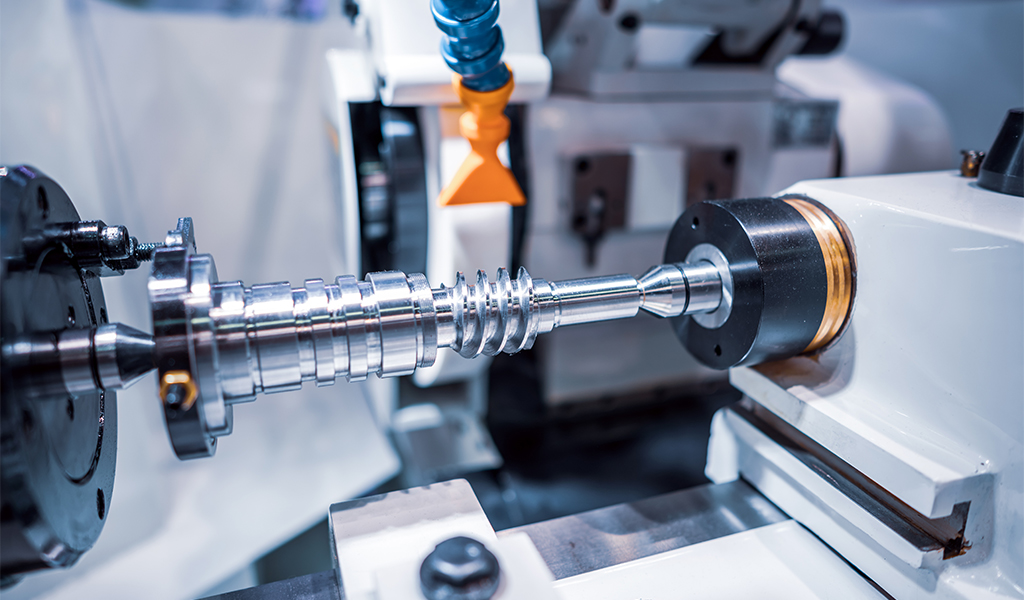
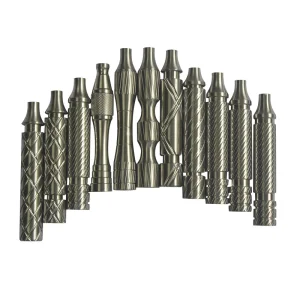
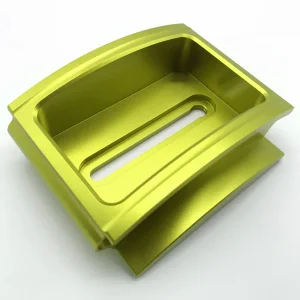
Historically, Azerbaijan has possessed primary smelting facilities (such as DET-AL Aluminum in Ganja), providing localized raw ingot output. However, as the nation transitions from an oil-and-gas-dominated economy to a diversified technology and manufacturing base, the demand has shifted from raw aluminum commodities to high-precision CNC machined products, complex assemblies, and specialized alloys. This shift necessitates deep technical partnerships with foreign direct factories that boast multi-axis machining capabilities, certified quality assurance protocols, and scalable manufacturing workflows.
Localized Application Scenarios in Azerbaijan's Core Sectors
The structural demand for high-strength, lightweight, and corrosion-resistant aluminum in Azerbaijan spans several key industrial sectors:
Subsea equipment housings, marine platforms, and pipeline instrumentation require corrosion-resistant aluminum alloys (such as 5083, 6061-T6, and 7075-T6). These components must withstand brackish marine environments, high pressure, and thermal fluctuations.
As Baku’s skyline undergoes a modern architectural renaissance, high-precision structural fixtures, architectural aluminum extrusions, and custom curtain-wall brackets are critical. Anodized surfaces are essential to resist the saline Baku coastal air.
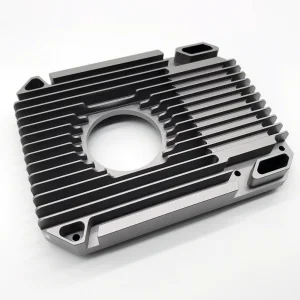
The reconstruction of the Karabakh region involves deploying smart power grids, local communications towers, and automated agricultural drone systems. These technologies rely heavily on lightweight aluminum enclosures, brackets, and heat sinks.
Global Commercial Realities & The Aluminum Supply Chain
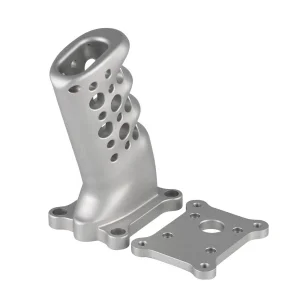
Globally, the aluminum industry is undergoing a dual transition toward decarbonization ("Green Aluminum") and localized supply chain resilience. Fluctuating energy costs directly impact primary extraction and smelting energy requirements. As a result, Tier-1 manufacturing facilities are shifting focus toward precision CNC machining efficiency and hybrid material utilization (such as matching CNC milling with 3D metal printing) to eliminate material waste and optimize structural designs.
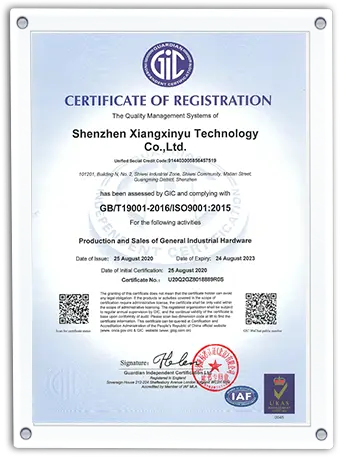
For purchasing managers in Azerbaijan, procuring directly from Chinese manufacturing centers like Shenzhen offers a distinct cost-to-performance ratio. Shenzhen’s highly developed industrial supply chain ensures immediate access to certified aluminum alloys, localized heat treatment processing facilities, and rapid surface modification (anodizing, passivation, and nickel-plating). This reduces time-to-market and offers a wider range of production possibilities compared to localized small-scale job shops within the Caucasus.