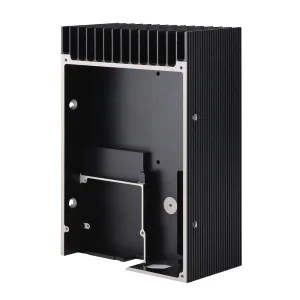
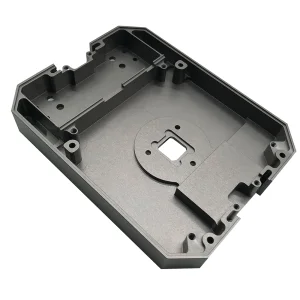
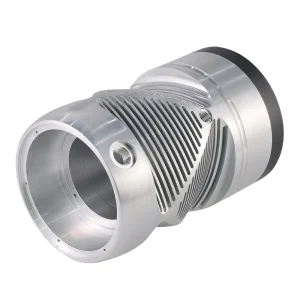
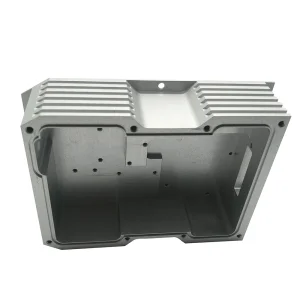
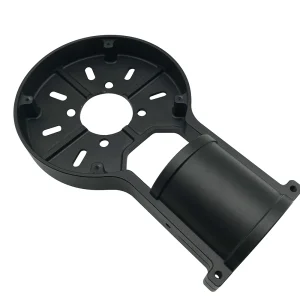
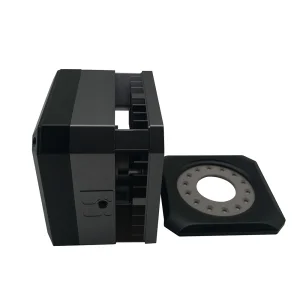
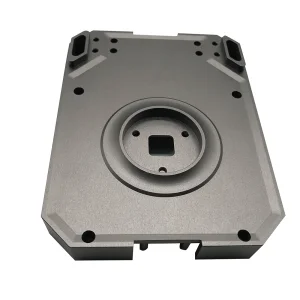
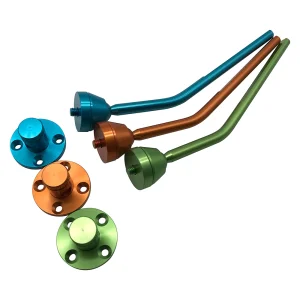
US-compliant components engineered for aerospace tolerances, defense applications, and medical-grade biocompatibility.
The United States market is experiencing unprecedented demand for titanium alloys, particularly Grade 5 (Ti-6Al-4V) and biocompatible Grade 23 (Ti-6Al-4V ELI). Driven by expansion in commercial aerospace structures, defense projects under DFARS compliance protocols, and orthopedic surgical implants, titanium has transitioned from a specialized alloy to a fundamental industrial catalyst.
However, the domestic US manufacturing chain faces significant bottlenecks. Extended lead times for raw ingot processing, high labor costs, and a deficit of multiaxial CNC machinery often delay time-to-market. By integrating precision-controlled external processing facilities that align with ASTM and ASME standards, US companies can leverage reliable high-capacity supply channels to meet critical project timelines without sacrificing metallurgical integrity.
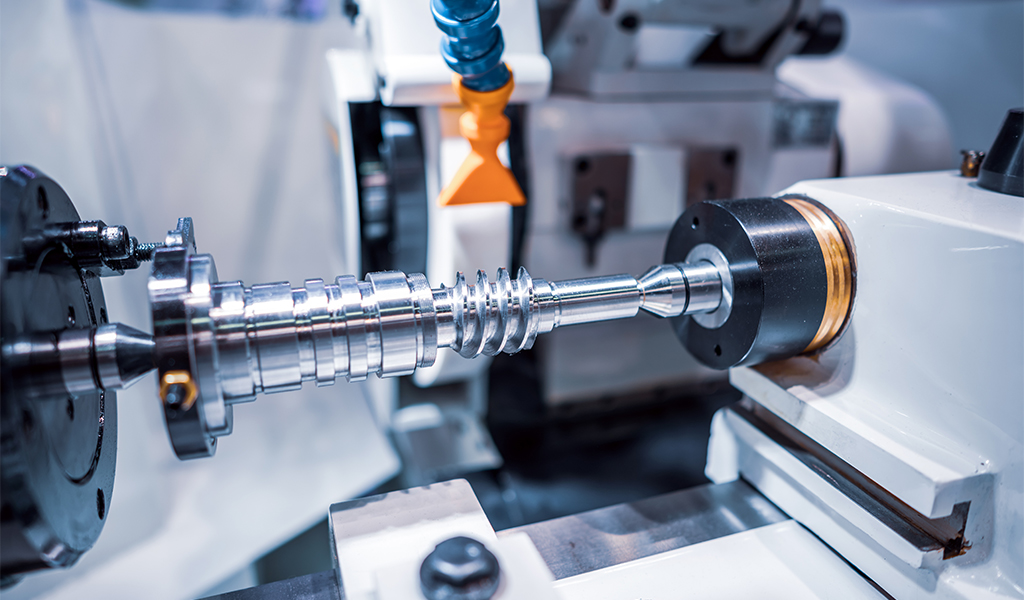
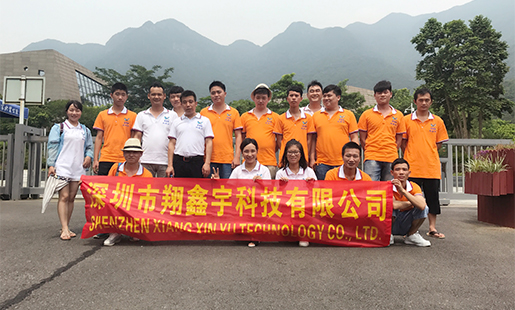
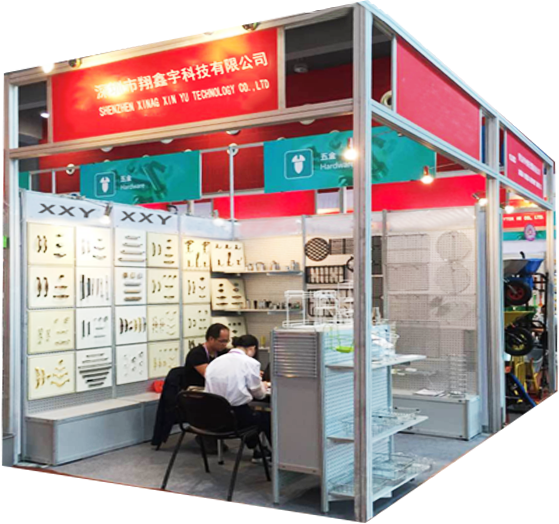
Shenzhen Xiang Xin Yu Technology Co., Ltd. is an enterprise specializing in CNC machining, with many years of industry experience and outstanding technical strength. We are equipped with advanced CNC machine tools and equipment, which can meet the processing requirements of various complex and precise parts. From key components in the aerospace field to high-precision parts in the automotive industry, from fine components in medical equipment to micro-structural parts in the electronics industry, we can provide customers with high-quality products with exquisite craftsmanship and strict quality control.
The company focuses on technological innovation and talent cultivation, and has an experienced and highly skilled professional team. They constantly explore and research new processing techniques and methods to improve production efficiency and product quality. We always adhere to the customer-centered approach, deeply understand customer needs, and provide customers with customized solutions and all-round service support. From order receipt to product delivery, every link is strictly controlled to ensure the timely delivery of high-quality products.
How advanced material science and high-speed CNC processes shape the next decade of titanium component engineering.
Titanium's low thermal conductivity concentrates heat at the tool-material interface, accelerating tool wear. Our technical roadmap utilizes optimized carbide substrates coated with Titanium Aluminum Nitride (TiAlN) and high-pressure through-spindle coolant delivery (above 70 bar) to ensure rapid heat dissipation. This process maintains metallurgical structure integrity and prevents micro-fracturing of the workpiece surface.
The industry is moving toward hybrid setups where near-net-shape titanium parts are produced via direct metal laser sintering (DMLS) and subsequently post-machined to final dimensional tolerances using 5-axis CNC machines. This drastically reduces the Buy-to-Fly ratio (often 10:1 in pure subtractive processing), cutting material waste by up to 70% and providing tremendous cost savings to aerospace sectors.
Our foundation is built on rigorous industrial guidelines to offer absolute transparency, precision, and alignment with global business models.
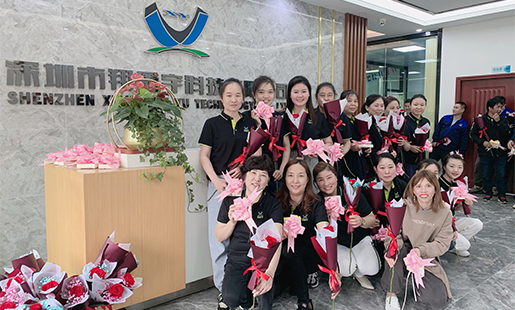
We encourage employees to continuously explore new processing methods and technologies to improve production efficiency and product quality and meet the changing needs of customers.
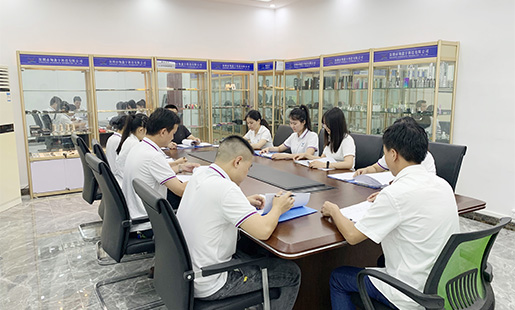
We pursue excellent quality, strictly control every processing link, and strive for zero defects to provide customers with the best products.

Team members support and collaborate with each other, jointly overcome difficulties, share experiences and knowledge, and form a strong whole.

Establish honest and cooperative relationships with customers and suppliers, keep promises, and treat every business with honesty and fairness.
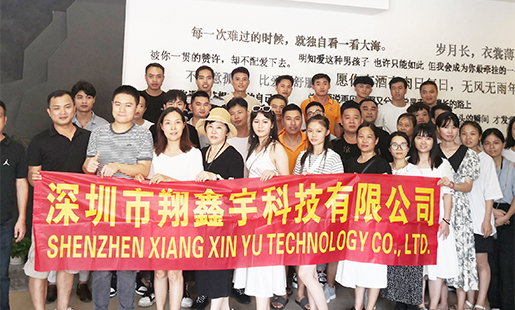
We are well aware that every product is related to the interests and safety of customers. Therefore, we always maintain a high sense of responsibility and take every job seriously.
Respect the personality and ideas of each employee, provide a good development space for employees, and also respect the needs and opinions of customers.
In the industrial component market, supply chain agility is a critical metric. By coupling Shenzhen’s unmatched component ecosystem with strict adherence to Western standards (like ASME, ASTM, and DIN), we bridge the gap between high-volume efficiency and rigorous performance benchmarks.
Our logistics structure ensures all custom parts undergo strict quality-control verification before leaving the manufacturing floor. Detailed inspection protocols, material grade certificates, and chemical analysis sheets are standard with every shipment. For our clients in the United States, this process eliminates custom import friction and provides verifiable structural integrity for heavy industrial application.
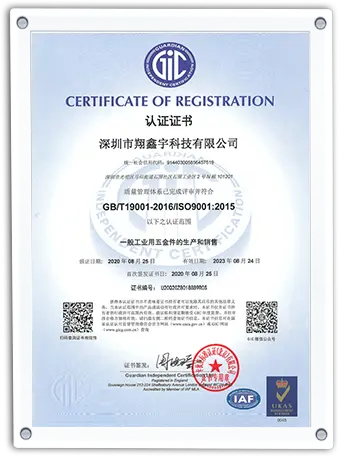
In a CNC machining company, professional certificates are important criteria for measuring the technical strength of the company and the professional quality of employees. Common professional certificates related to CNC machining include:
These professional certificates not only represent the individual professional skills of employees but also reflect the overall technical level and quality assurance ability of the company, helping to enhance the company's competitiveness in the market.
Verified documentation validating raw materials safety standards (Silicon Oil, MM, Organic Silicon Materials, Metals) and engineering processes.
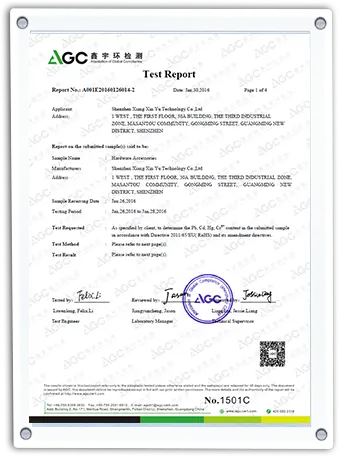
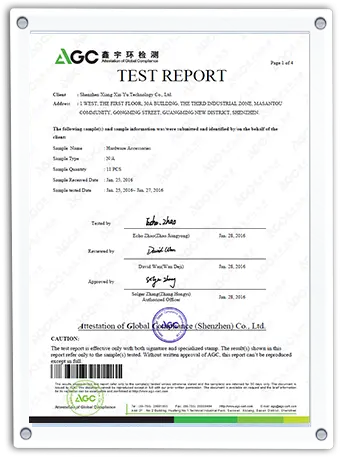
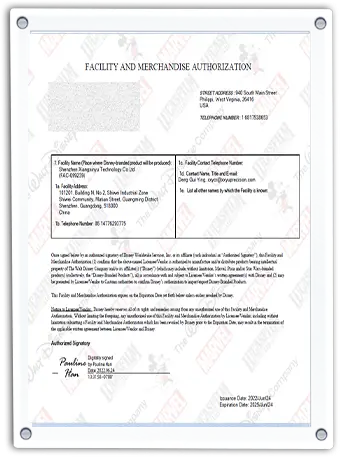
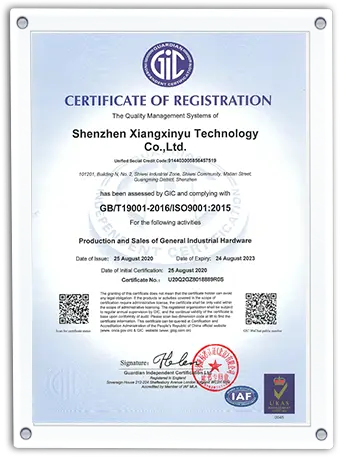
Clear, direct answers regarding titanium properties, machining complexities, and order parameters for US procurement teams.
Grade 2 is commercially pure titanium offering excellent weldability and corrosion resistance, though it is softer and relatively easy to machine. Grade 5 (Ti-6Al-4V) is an alpha-beta alloy characterized by high tensile strength and load resistance. It is much tougher, requiring lower cutting speeds (usually 40–60 m/min with carbide tooling) and high torque output to manage significant heat build-up and tool wear.
We work with fully traceable raw material mills that supply complete material test reports (MTRs) certifying conformance to ASTM B348 (bars), ASTM B265 (plates), or ASTM F136 (medical implants). All batches undergo optical emission spectrometry (OES) testing to confirm the exact chemical composition before cutting begins.
We provide standard bead-blasting, chemical passivation (to remove free iron particles and prevent corrosion), electropolishing (for ultra-smooth surfaces in medical applications), and Type II/Type III anodizing. These surface modifications improve surface hardness, wear resistance, and cosmetic appearance.
Prototype runs (1-10 parts) typically take 5-7 business days from CAD validation to shipping. Standard production quantities (100-5000 parts) are normally completed in 15-25 days. Express air shipping to North American airports or manufacturing sites usually takes 3-5 days.
Explore our complete manufacturing spectrum, built to exact industrial specs with complete material certification.
Submit your 2D/3D CAD models (STEP, IGES, DXF) today to receive a complete DFM (Design for Manufacturability) analysis and binding cost proposal within 24 hours.
Send Inquiry Now Xiang Xin Yu