Xiang Xin Yu
Canadian Industrial Titanium Landscape: A B2B Strategic Outlook
Analyzing key structural shifts, critical mineral policies, and localized manufacturing demands across major provinces.
The Transition to Domestic Supply Chain Security
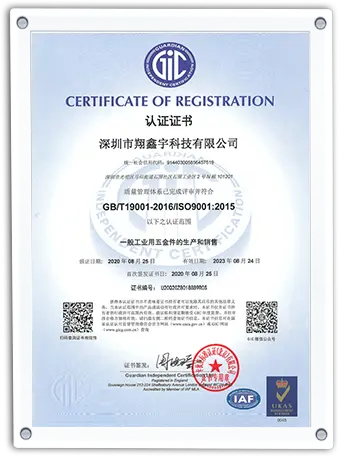
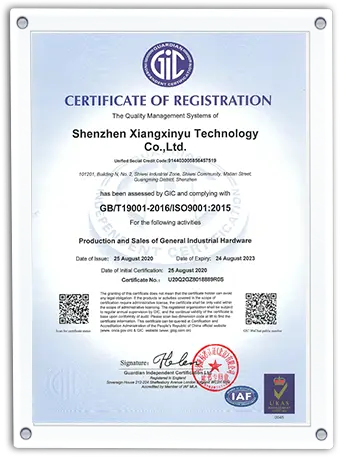
Canada’s Critical Minerals Strategy has identified titanium as an essential element for future aerospace, military, and energy self-reliance. Historically dependent on imported titanium ingots and primary components, Canadian defense manufacturers (particularly in Quebec's aerospace hub and Ontario’s high-tech corridors) are looking for manufacturing partners that can guarantee AS9100 quality standards and ISO 9001 compliance. As modern geopolitical tensions shift global supply chains, our custom processing capabilities bridge the gap between high-capacity, cost-effective CNC manufacturing and the stringent QA parameters demanded by North American OEMs.
Furthermore, Canada’s marine industrial sector, concentrated along the British Columbia and Atlantic coastlines, utilizes specialized titanium grade 2 and grade 5 components due to their superior resistance to chloride-induced stress corrosion. In sub-zero offshore oil rigs and northern infrastructure projects, titanium stands out as the only sustainable material solution that remains highly ductile and crack-resistant under extreme structural loads.
Macro Global Supply Chain Integration
On a global scale, the titanium supply chain is undergoing structural consolidation. Rising energy costs in Europe and limited output of Aerospace-grade double/triple VAR (Vacuum Arc Remelted) ingots have created severe lead-time challenges. By partnering with robust Chinese manufacturing hubs, Canadian procurers can optimize their supply chain risk profile.
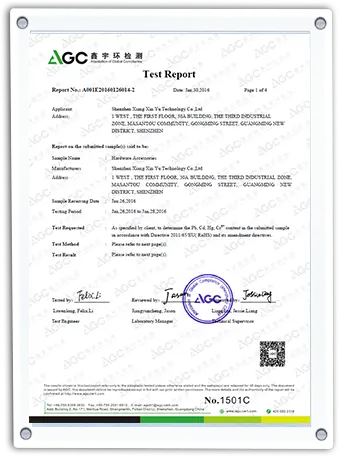
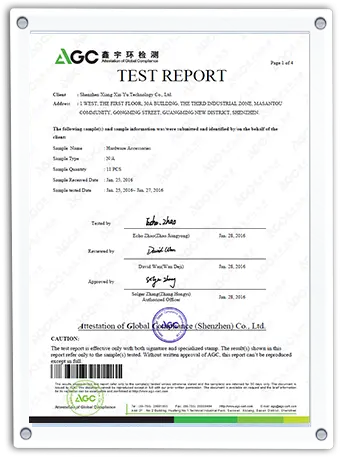
Shenzhen Xiang Xin Yu Technology Co., Ltd. uses high-grade, certified raw materials directly sourced from established smelters. We execute raw material verification using optical emission spectrometers (OES) and ultrasonic testing, providing full traceability documentation (including Mill Test Certificates - MTC) for every Canadian batch. This guarantees zero risk of alloy contamination or mechanical property variances.
Technical Processing Roadmap: Machining High-Performance Alloys
Titanium and its alloys (such as Ti-6Al-4V ELI) are notoriously difficult to machine due to their low thermal conductivity, high chemical reactivity, and tendency to work-harden. To maintain the structural integrity required by Canadian aerospace and biomedical buyers, our factory employs a systematic technological approach:
Low-Speed, High-Feed Strategies
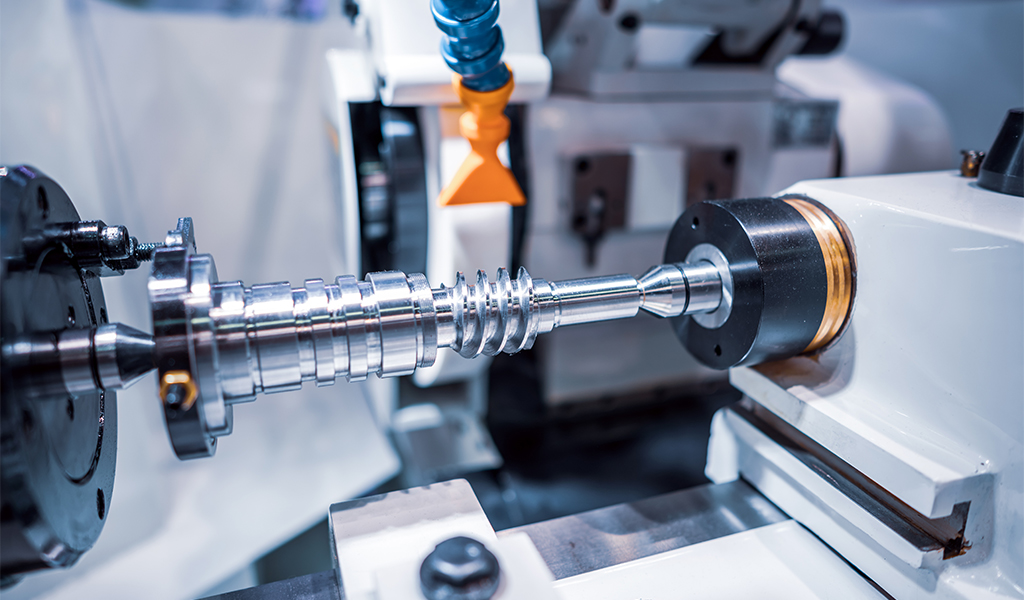
We use rigid CNC platforms with specialized carbide inserts, operating at optimized surface speeds to prevent excessive heat buildup in the cutting zone.
High-Pressure Coolant Delivery
Our systems feature multi-jet, high-pressure cooling lines targeting the primary shear plane directly, ensuring chip evacuation and maintaining sub-critical temperatures.
Advanced Anti-Vibration Setup
Specially calibrated toolholders minimize micro-chatter, yielding superior surface finishes that reduce the risk of structural stress fatigue over time.