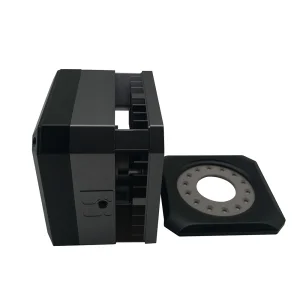
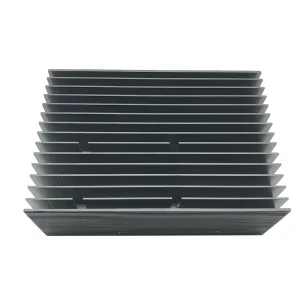
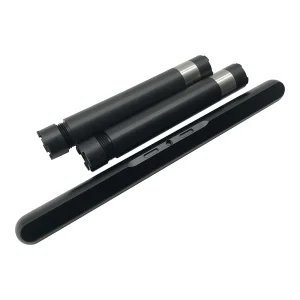
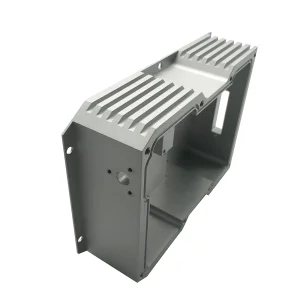
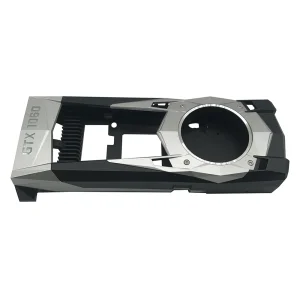
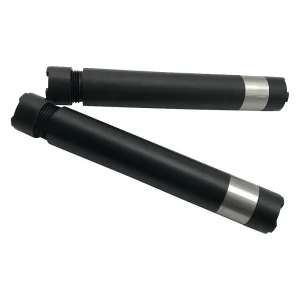
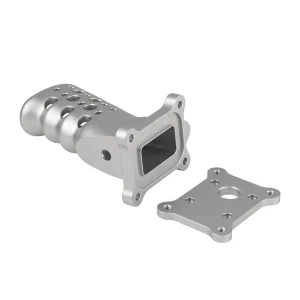
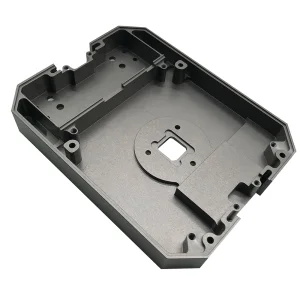
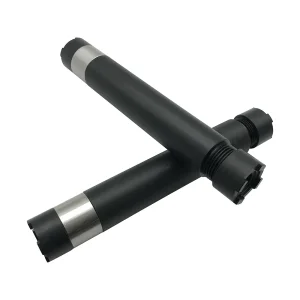
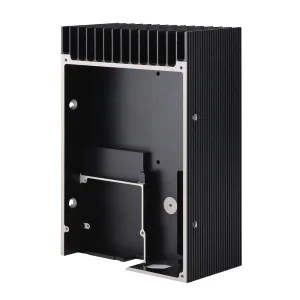
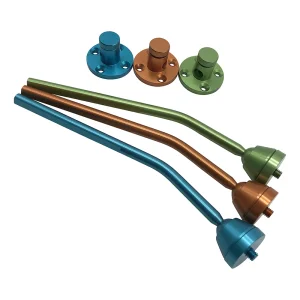
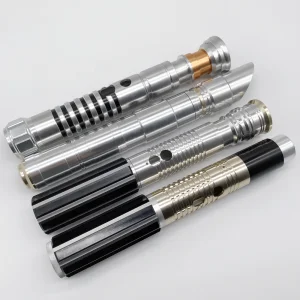
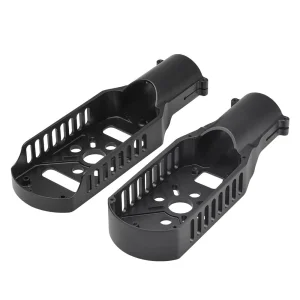
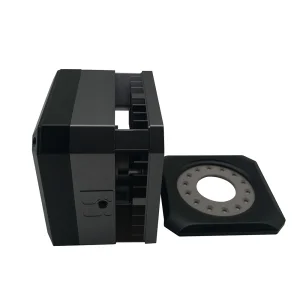
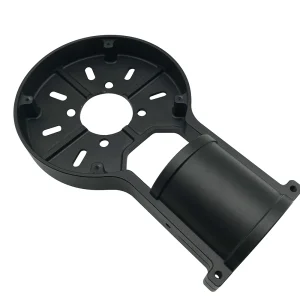
Explore our high-performance CNC machined parts optimized for density, surface hardness, and micro-tolerance assembly.
In modern industrial procurement, the demand for high-performance, cost-effective metal parts has driven companies to restructure their sourcing criteria. Specifically, components utilizing Anodized Aluminum and Stainless Steel form the foundation of sectors ranging from medical instruments to aerospace mechanics. Achieving "cheap" or highly cost-competitive pricing structures without sacrificing structural integrity or sub-micron precision requires optimizing supply chains, material usage, and machining processes.
The term "cheap" in precision B2B procurement does not denote a compromise in quality. Instead, it represents the realization of systemic efficiency. Shenzhen-based manufacturers like Shenzhen Xiang Xin Yu Technology Co., Ltd. leverage localized industrial clusters, high-speed automated CNC setups, and integrated surface finishing lines to reduce per-unit overhead. This ensures that custom-machined products remain globally competitive while strictly adhering to international design parameters.
Understanding the micro-material interactions of aluminum and stainless steel is essential for specifying mechanical tolerances and surface properties. The two materials serve contrasting mechanical intents:
Anodization is an electrochemical passivation process that converts the surface of aluminum alloys into a durable, corrosion-resistant aluminum oxide layer. When procuring cost-effective parts, the choice of anodizing depth and chemistry affects both budget and service life:
Machining stainless steel (e.g., Grades 304, 316L, 17-4 PH) presents distinct tool-wear and thermo-mechanical challenges. Because of the material's work-hardening characteristics and low thermal conductivity, heat concentrates at the cutting edge of the carbide tools. To maintain cost efficiency and accuracy, we implement:
To maintain a competitive edge, the technical roadmap for anodized aluminum and stainless steel components focuses on digital automation and green engineering:
1. Environmentally-Conscious Chemistry: Traditional anodization relies heavily on energy-intensive cooling baths and chemical compounds. The transition to trivalent chromium conversion coatings and organic acid-based anodizing lines minimizes toxic waste treatment costs, directly lowering production overhead.
2. Multi-Tasking Turn-Mill Integration: Combining 5-axis milling with turn operations on a single machine reduces the number of setups required for complex parts. This process consolidation improves tolerance control and reduces manufacturing cycles.
3. AI-Driven Toolpath Optimization: Advanced CAD/CAM software platforms dynamically adjust feed rates based on real-time spindle load calculations. This prevents tool breakage, reduces cycle times, and lowers energy consumption per part.
Our custom-machined, anodized aluminum and stainless steel components support critical operating environments across diverse industries:
Components designed to prevent galvanic corrosion in seawater exposure. We use Type III anodized 6061-T6 aluminum alongside passivated 316L stainless steel fasteners, ensuring structural integrity and longevity.
Ultra-precise surgical parts utilizing passivated stainless steel and biosealed aluminum coatings. These components withstand aggressive autoclave cycles and chemical sanitization protocols.
Lightweight anodized structures designed to reduce overall vehicle mass, combined with high-strength stainless steel brackets engineered to handle mechanical stress loads.
The concentration of advanced raw material suppliers, metal finishing services, and shipping logistics in Shenzhen allows us to optimize manufacturing workflows. Shenzhen Xiang Xin Yu Technology Co., Ltd. integrates production with modern supply chain workflows:
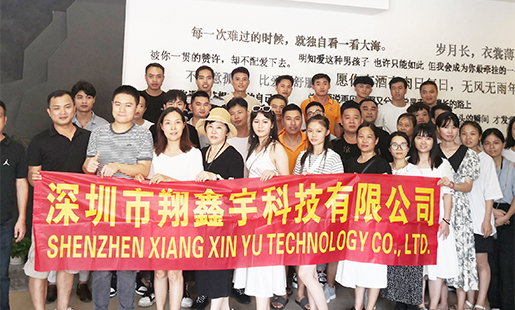
About Us: Shenzhen Xiang Xin Yu Technology Co., Ltd. is an enterprise specializing in CNC machining, with many years of industry experience and outstanding technical strength. We are equipped with advanced CNC machine tools and equipment, which can meet the processing requirements of various complex and precise parts. From key components in the aerospace field to high-precision parts in the automotive industry, from fine components in medical equipment to micro-structural parts in the electronics industry, we can provide customers with high-quality products with exquisite craftsmanship and strict quality control.
The company focuses on technological innovation and talent cultivation, and has an experienced and highly skilled professional team. They constantly explore and research new processing techniques and methods to improve production efficiency and product quality.
We always adhere to the customer-centered approach, deeply understand customer needs, and provide customers with customized solutions and all-round service support. From order receipt to product delivery, every link is strictly controlled to ensure the timely delivery of high-quality products.
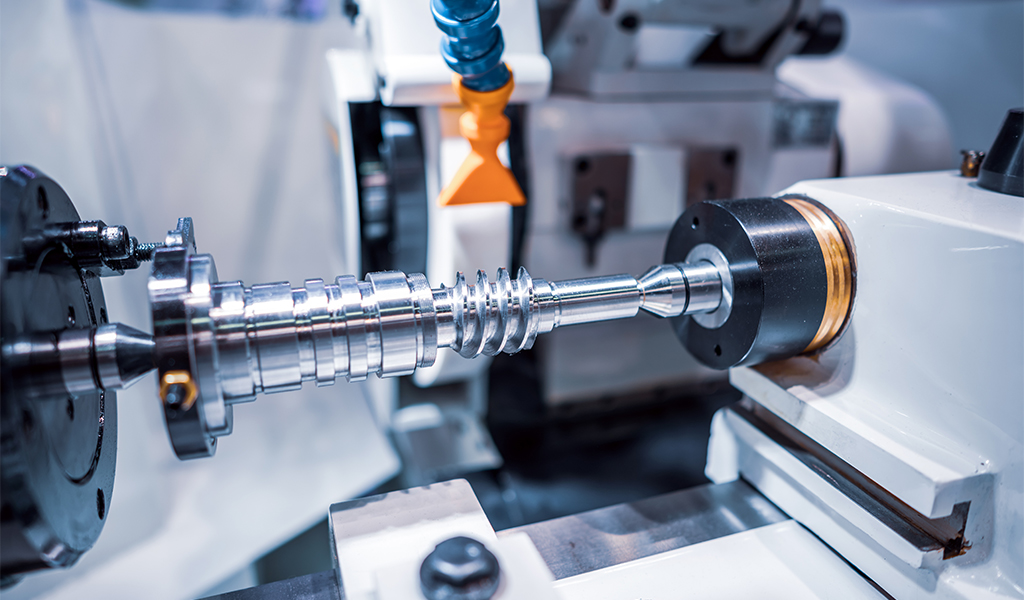
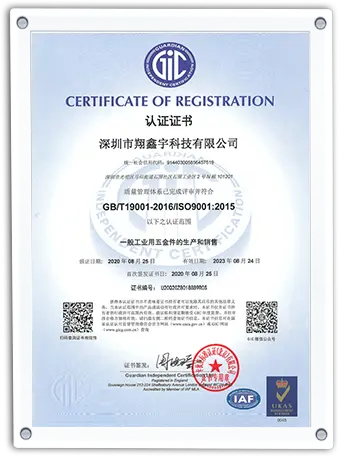
Quality management forms the foundation of our manufacturing processes. We have established a robust quality control system, strictly managing raw material procurement, monitoring production workflows, and conducting comprehensive finished product inspections. This structure ensures that every part conforms to industry standards and customer requirements. Looking forward, we remain committed to professionalism, innovation, quality, and service as we expand our CNC machining capabilities.
Our organization is built on core values that guide our production standards and relationships with customers and suppliers:
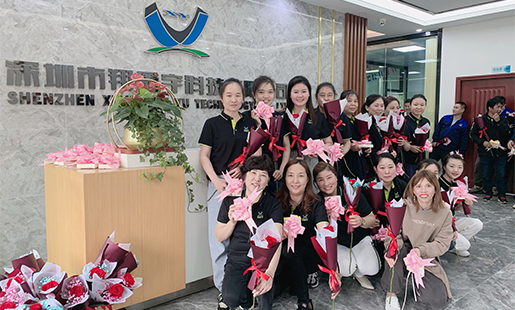
We encourage employees to continuously explore new processing methods and technologies to improve production efficiency and product quality, meeting the evolving needs of customers.
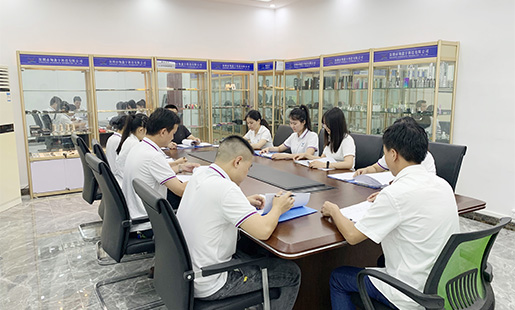
We pursue excellent quality, strictly control every processing link, and strive for zero defects to provide customers with reliable products.
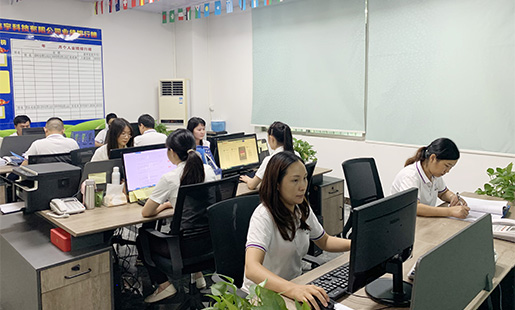
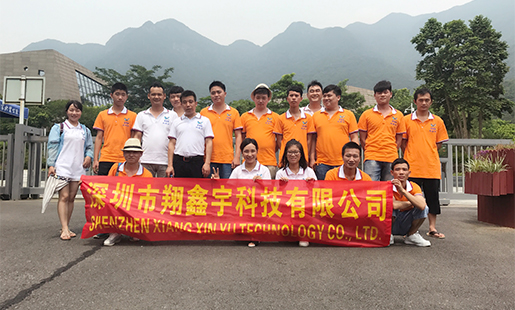
Team members support and collaborate with each other, jointly overcoming difficulties and sharing knowledge to build a strong engineering unit.

We establish honest and cooperative relationships with customers and suppliers, keeping our promises and treating every transaction with honesty and fairness.
We recognize that every product relates to the interest and safety of our customers. Therefore, we maintain a strong sense of responsibility across all projects.
We respect the individuality and ideas of every team member, providing professional development opportunities while addressing customer requirements.
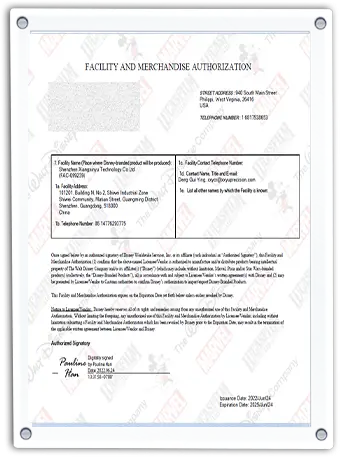
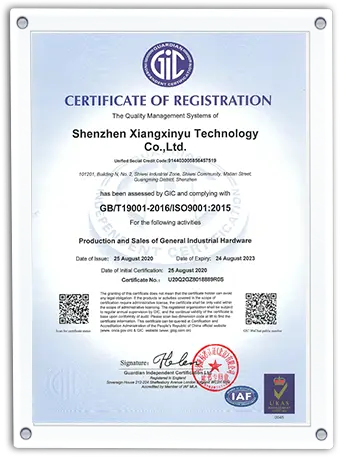
Professional certifications serve as important criteria for verifying technical capabilities and employee training in precision manufacturing. Our certified machining processes reflect our quality assurance standards, helping to maintain competitiveness in global B2B markets.
Our technicians and operators maintain verified competencies, including:
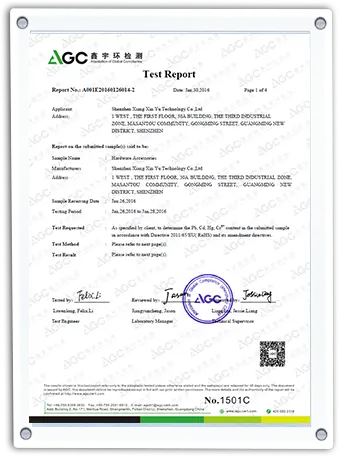
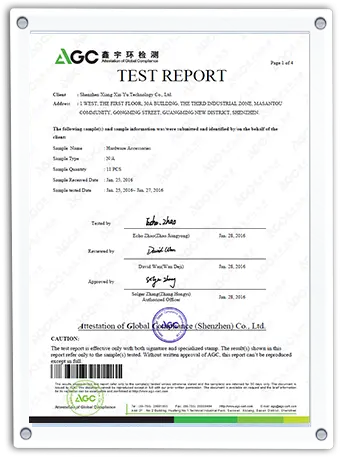
In addition to our mechanical machining services, we support chemical compliance with RoHS certifications. This ensures all surface coatings, sealants, and raw metals satisfy standard restrictions on hazardous substances.
Sourcing parts internationally requires managing regulatory compliance, currency conversions, and supply chain logistics. To support international procurement teams, we offer dedicated logistics management and regulatory support:
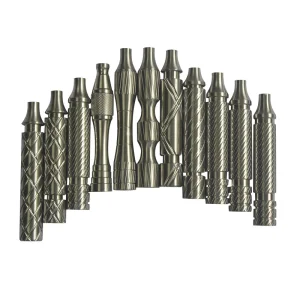
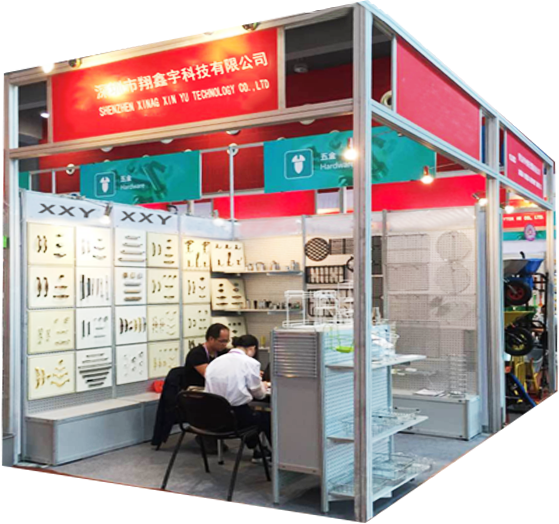
High-quality turned and milled components constructed from selected aluminum and stainless steel alloys.
 Xiang Xin Yu