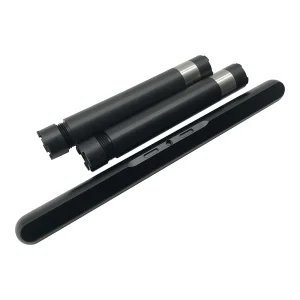
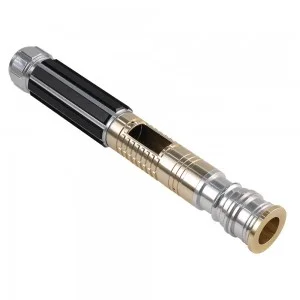
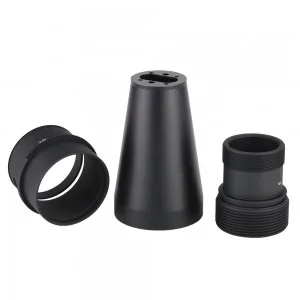
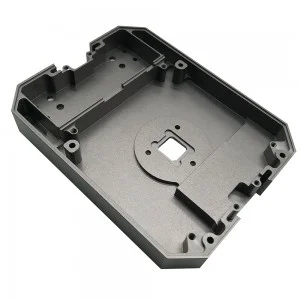
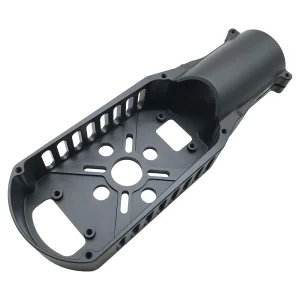
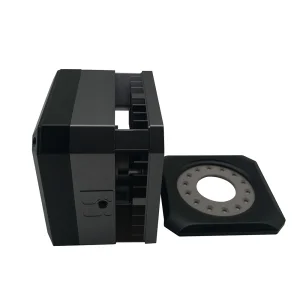
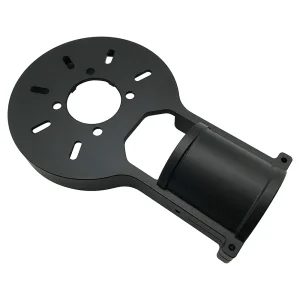
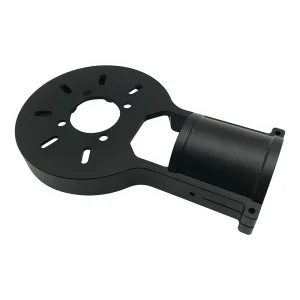
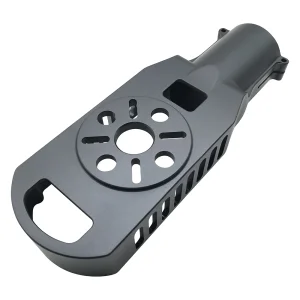
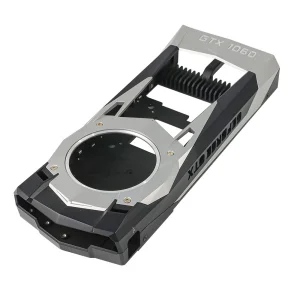
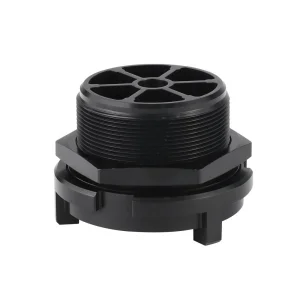
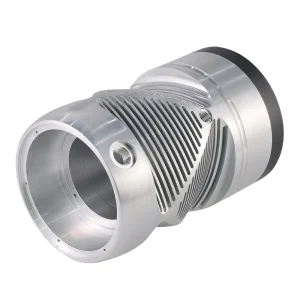
Explore our state-of-the-art aluminum machining offerings, customized for sub-micron surgical fidelity, automotive mass production, and aerospace resilience.
In modern manufacturing, aluminum remains an indispensable component due to its high strength-to-weight ratio, superior corrosion resistance, and excellent thermal conductivity. As industries push the limits of performance in aerospace, medical devices, defense, and electric vehicles (EVs), the requirement for sub-micron precision in aluminum parts machining has shifted from an occasional need to a standard manufacturing protocol.
This whitepaper examines the technical specifications, global market conditions, and localized supply chain strategies that allow Chinese CNC machining companies to deliver reliable products to international markets. We look closely at the operational methodology of industry pioneers like Shenzhen Xiang Xin Yu Technology Co., Ltd., highlighting how local innovation combined with structural manufacturing advantages serves the complex needs of global engineering networks.
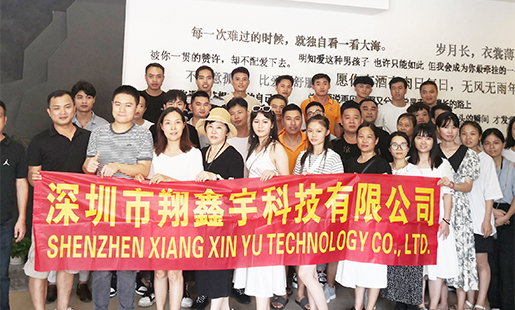
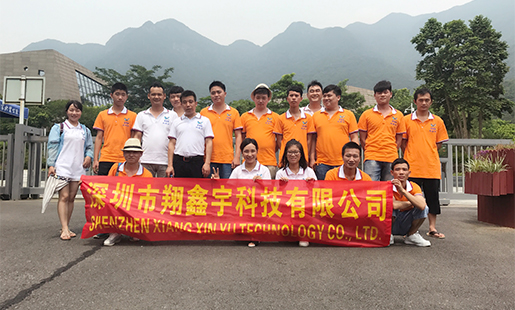
Shenzhen Xiang Xin Yu Technology Co., Ltd. is a specialized CNC machining manufacturer with years of industry experience and deep technical expertise. Equipped with advanced multi-axis CNC machine tools, the company is built to manage the complex processing demands of modern industrial applications.
From critical structural components in the aerospace field to high-precision parts in the automotive sector, and from delicate surgical instruments in medical equipment to microscopic components in the high-frequency electronics industry, Xiang Xin Yu delivers quality products using refined production techniques and thorough testing protocols.
The company emphasizes technical development and continuous team training. By researching new machining dynamics, optimizing cutter path algorithms, and refining fixture layouts, the engineering team maintains high operational efficiency and consistent product quality. Guided by a client-first approach, the company supports projects from the initial Design for Manufacturability (DFM) review through final inspection and international delivery.
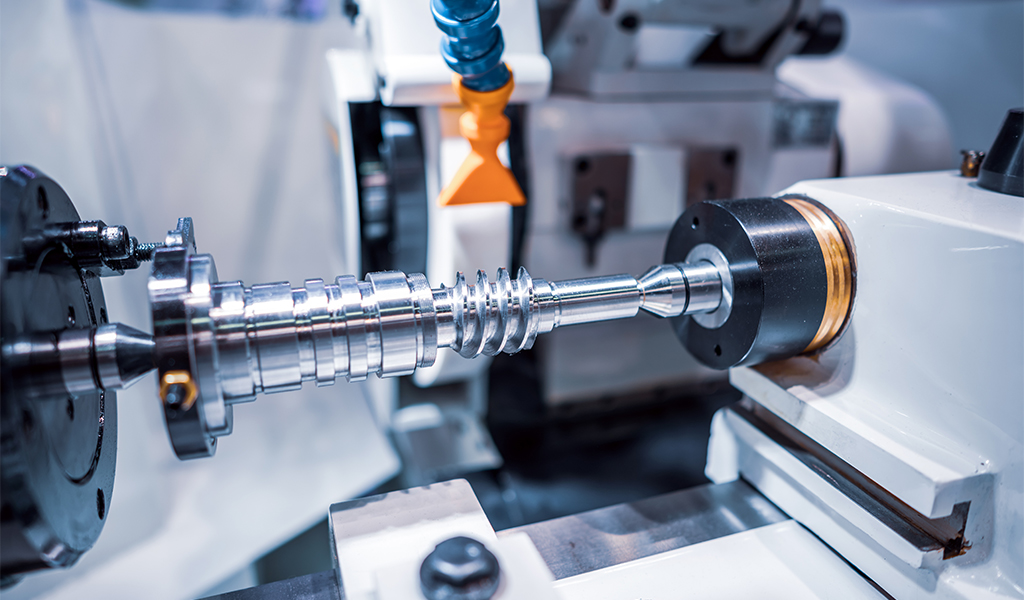
The global demand for machined aluminum components has grown significantly, driven by modernization across key industrial sectors. Modern lightweighting initiatives in automotive design, alongside the rapid growth of private aerospace networks and defense systems, have placed CNC machining at the center of the modern industrial supply chain.
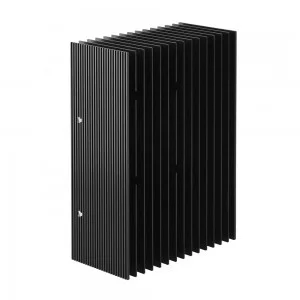
Aluminum alloys like 6061-T6, 7075-T6, and 2024 are favored materials because they allow design engineers to reduce overall structural mass without sacrificing component durability. In electronic packaging and emerging technologies, high-grade machined aluminum acts as a structural chassis and a thermal heat sink, which is critical for maintaining performance in high-speed, high-density computing environments.
| Industry Sector | Common Aluminum Alloy | Critical Engineering Focus | Typical Applications |
|---|---|---|---|
| Aerospace & Defense | Al 7075-T6, Al 2024-T3 | Fatigue resistance, high yield strength, stress relief | Wing spars, bulkhead mounts, structural ribs, drone arms |
| Medical Devices | Al 6061-T6, Al 5052 | Biocompatible coatings, smooth surface finish, clean profiles | Surgical instruments, diagnostic chassis, implant fixtures |
| Electronics & Semi | Al 6063, Al 6061 | Thermal dissipation, EMI shielding, complex interior slots | RF enclosures, heat sinks, optical housings, LiDAR bases |
| Automotive & EV | Al 6082, Al 6061 | High-volume efficiency, shear resistance, weldability | EV battery enclosures, steering knuckles, manifold valves |
High-precision machined aluminum parts operate under diverse, challenging conditions globally. Our engineering team designs and manufactures components tailored to these specific operational environments.
Aluminum parts used in offshore wind installations and marine monitoring require anodization to handle saltwater exposure. We apply MIL-A-8625 Type III Hard Anodizing combined with custom sealing processes to provide long-term corrosion resistance in harsh coastal conditions.
At high altitudes, thermal cycling can lead to material expansion and contraction, raising the risk of dimensional drift. By using cryogenically stabilized Al 7075-T651, we ensure structural stability and maintain consistent tolerances across variable temperature profiles.
Minimally invasive surgical platforms require lightweight components that move with high repeatability and minimal inertia. Our custom machining center delivers thin-walled aluminum components (thicknesses under 0.8mm) designed to meet surgical precision requirements.
To keep pace with evolving engineering demands, CNC machining continues to integrate new technology. Our roadmap focuses on automation, advanced monitoring, and updated machining processes.
We use simultaneous 5-axis milling to machine complex geometries in a single setup. This minimizes errors associated with manual repositioning and improves overall dimensional accuracy.
By integrating acoustic emission sensors and laser-based tool wear measurement systems, we detect tool degradation before it affects surface finish quality. Dynamic machine-mounted probing systems verify critical dimensions during the production run.
We are expanding our capabilities to machine advanced materials, including high-modulus Aluminum-Lithium alloys and Aluminum Metal Matrix Composites (AMCs), which provide enhanced performance characteristics for aerospace and specialty applications.
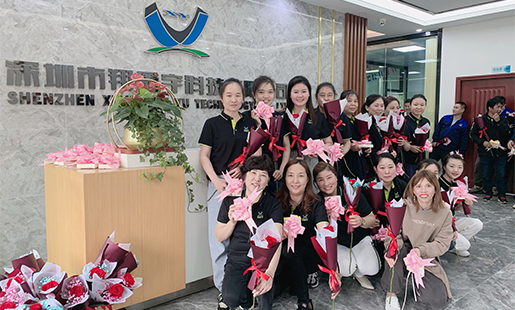
The concentration of manufacturing resources in Shenzhen provides a strong operational base for global distribution. This industrial cluster links raw material suppliers, tooling manufacturers, specialized surface treatment operations, and logistics providers in close proximity.
This density translates into concrete lead-time advantages. Standard material requests, custom fixture designs, and secondary finishes like hard anodizing, chemical conversion coatings, or bead blasting are handled within a tight local radius, reducing delays between processing steps.
Furthermore, the proximity to international shipping hubs in Shenzhen, Guangzhou, and Hong Kong supports predictable logistics routing. Whether shipping via air freight for rapid prototyping or utilizing ocean routes for mass production, goods can be dispatched efficiently to global destinations.
The operational philosophy guiding Shenzhen Xiang Xin Yu Technology Co., Ltd. is built on five core principles.
We encourage our staff to explore updated tooling geometries and software programs to improve overall production speed and product quality.
We maintain strict quality control at every stage of production, working toward consistent, repeatable output for all customer shipments.
Our engineering and production teams work closely together to address technical challenges and share manufacturing insights.
We work to build long-term relationships with clients and suppliers based on transparent communication and consistent performance.
We understand that each component has a specific function in its final assembly, which motivates our focus on precision and quality control.
We value different view points within our team and work to maintain open communication with our customers and partners.
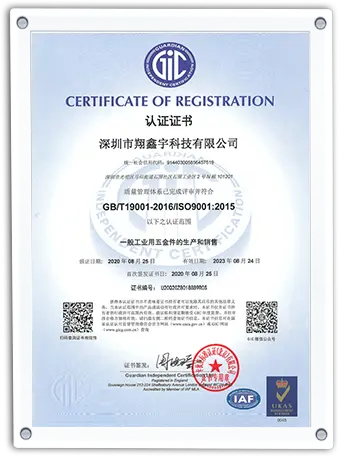
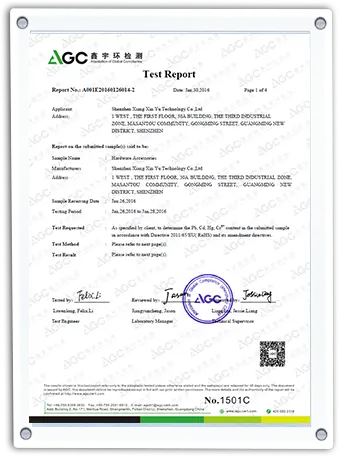
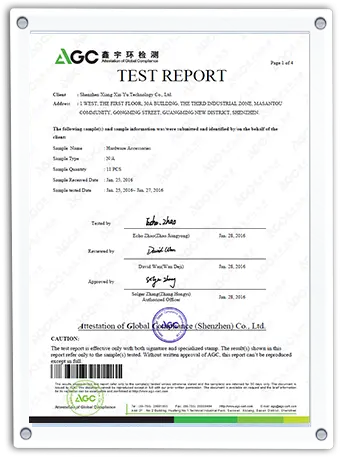
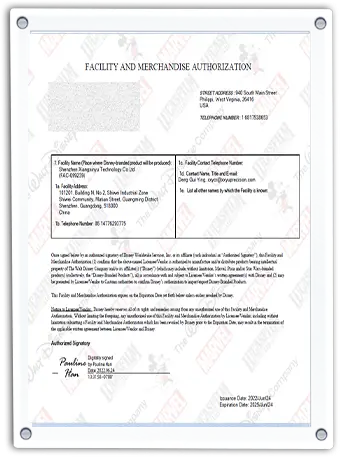
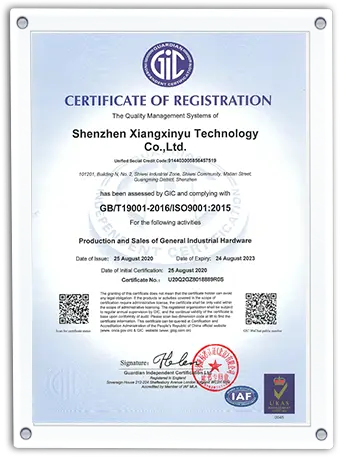
In high-precision manufacturing, consistent quality control is essential. We maintain professional certifications to verify that our technical capabilities and operational procedures meet international standards.
Our operators and technicians hold specialized credentials to support production accuracy:
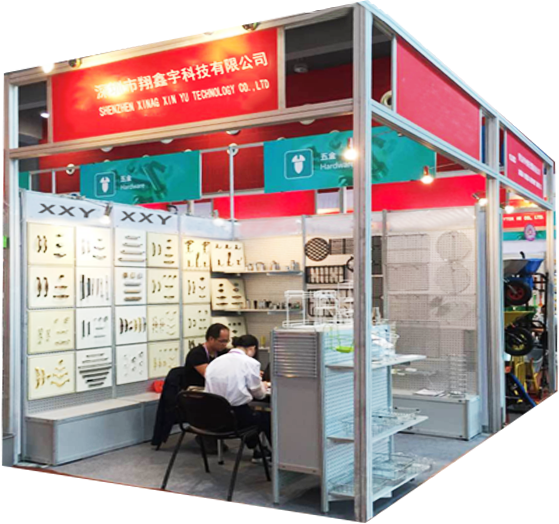
Here is an overview of our current quality credentials and inspection reports:
To support overseas engineering teams, we offer localized communication and support options. This includes structural Design for Manufacturability (DFM) analysis to help optimize manufacturing costs and tolerances prior to starting production.
We also maintain traceability documentation for our materials. Raw materials are supplied with Mill Test Reports (MTRs) to confirm chemical composition and physical properties, helping customers meet their internal supply chain requirements.
Common technical questions regarding material selection, design tolerances, and surface finishing options.
Explore additional specialized products, designed to meet strict opto-mechanical tolerances and industrial requirements.
 Xiang Xin Yu