Explore our premium grade CNC components designed with micron-level tolerances for strict engineering demands.
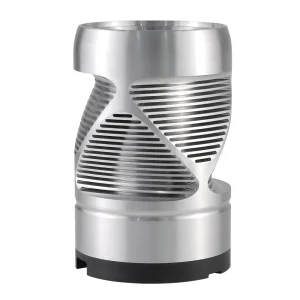
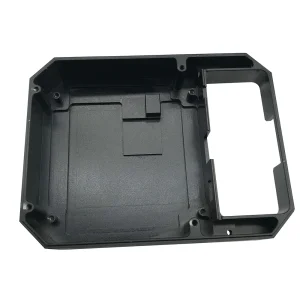
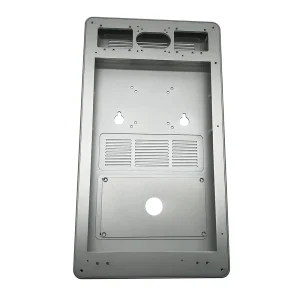
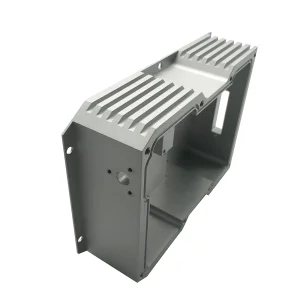
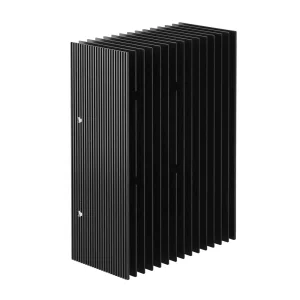
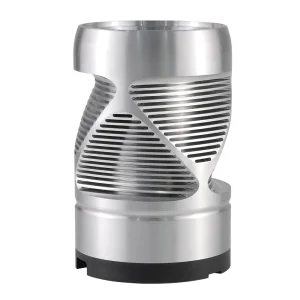
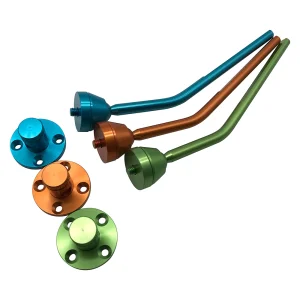
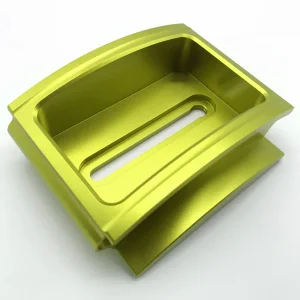
In modern industrial manufacturing, aluminum remains the premier substrate for diverse engineering applications, valued for its outstanding strength-to-weight ratio, structural stability, corrosion resistance, and thermal and electrical conductivity. The global demand for high-tolerance CNC (Computer Numerical Control) aluminum machined components has grown significantly. Driven by modern lightweight requirements in aerospace engineering, structural changes in Electric Vehicles (EVs), thermal management in consumer electronics, and miniaturized components in advanced medical instruments, companies are increasingly shifting towards precision machining services.
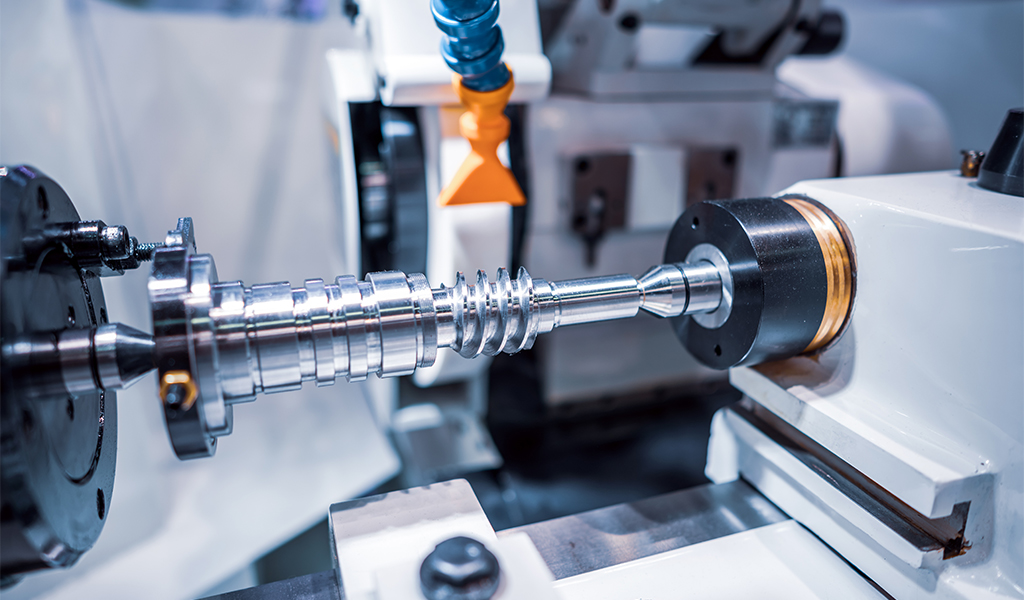
Subtractive manufacturing methods, such as CNC milling, turning, and multi-axis machining, allow engineers to create highly complex geometries without compromising material integrity. By leveraging sophisticated CAD/CAM processes, manufacturers can run prototype designs through production stages with high accuracy and minimal material waste.
How Xiang Xin Yu Technology delivers high-speed prototyping and scale production with cost-effective precision.
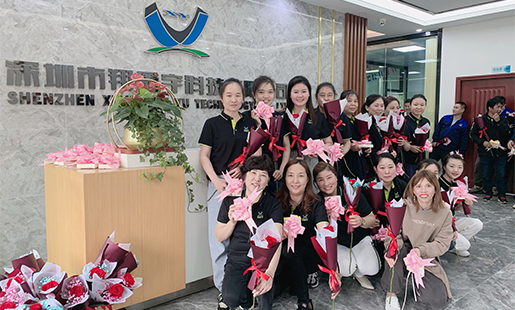
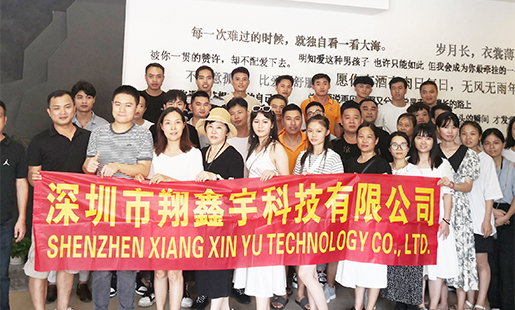
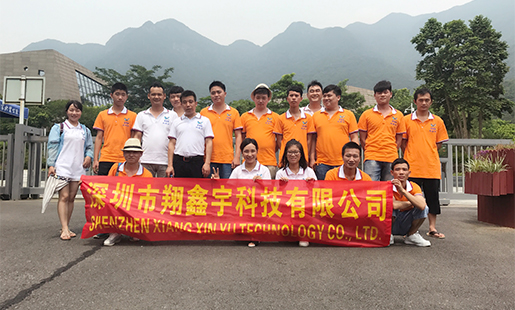
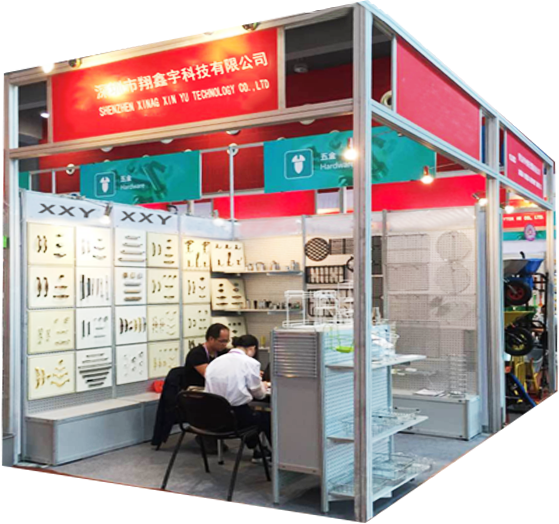
Chinese CNC machining hubs, particularly in Shenzhen, offer significant advantages in hardware supply chains, speed, and integrated processing infrastructure. At the center of this ecosystem is Shenzhen Xiang Xin Yu Technology Co., Ltd., an enterprise specializing in CNC machining with years of industry experience and deep technical expertise.
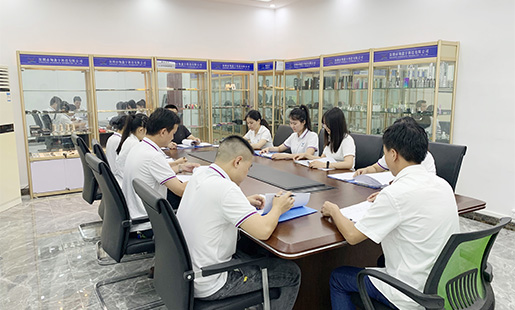
Equipped with advanced CNC machine tools and inspection equipment, the company processes complex, high-precision parts across diverse industries. From key components in aerospace to high-precision parts in the automotive sector, and fine components in medical instruments to micro-structural parts in the electronics industry, we deliver customized components using rigorous quality controls.
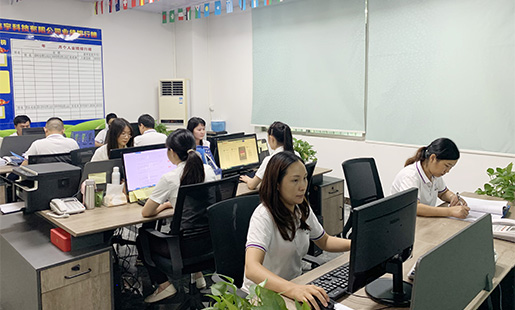
Our focus on technological innovation and talent cultivation has built an experienced, highly skilled professional team. They constantly explore new processing techniques to improve production efficiency and quality, while maintaining a customer-centric focus. From order intake to final delivery, every step is monitored to ensure fast, on-time delivery of premium parts.
In terms of quality control, we have established a comprehensive quality management system. We strictly monitor raw material procurement, in-process production, and finished product inspection to ensure that each component meets global industry standards and our clients' specific engineering requirements. In the future, we will continue to uphold the concepts of professionalism, innovation, quality, and service, constantly enhancing our operational capabilities to remain a leading enterprise in the CNC machining industry.
Selecting the right alloy and surface finish is critical to balancing mechanical performance with target cost parameters.
| Alloy Grade | Key Attributes | Mechanical Performance | Typical Industrial Applications |
|---|---|---|---|
| Aluminum 6061-T6 | Excellent weldability, high corrosion resistance, and good machinability. | Yield Strength: 276 MPa Tensile Strength: 310 MPa |
Structural parts, marine fixtures, frames, electronic enclosures, automotive components. |
| Aluminum 7075-T6 | High strength-to-weight ratio comparable to steels. Good fatigue resistance. | Yield Strength: 503 MPa Tensile Strength: 572 MPa |
Aerospace structural components, defense equipment, high-stress gears, injection mold tooling. |
| Aluminum 2024-T3 | High damage tolerance, excellent fatigue resistance, lower corrosion resistance. | Yield Strength: 345 MPa Tensile Strength: 483 MPa |
Aircraft fuselage skins, wing structures, high-tension fasteners. |
| Aluminum 5052-H32 | Excellent salt-water corrosion resistance, good formability, difficult to machine. | Yield Strength: 193 MPa Tensile Strength: 228 MPa |
Sheet metal structures, marine hulls, storage tanks, chemical containers. |
| Aluminum 6082-T6 | High mechanical strength, great corrosion resistance, popular in European markets. | Yield Strength: 250 MPa Tensile Strength: 290 MPa |
Structural applications in bridges, transport engineering, cranes, and roof trusses. |
Creates a protective oxide layer on the metal's surface. Type II provides vibrant colors and corrosion protection; Type III (Hardcoat) delivers wear resistance for wear surfaces.
Utilizes fine glass beads sprayed at high velocities to mask tooling marks, creating a uniform matte texture ideal for modern consumer electronics and automotive styling.
Applies a chromate conversion coating to improve corrosion resistance while preserving electrical conductivity—critical for RF enclosures and grounding connections.
We are a professional CNC machining company, and our corporate culture is built on these core values:
We encourage employees to continuously explore new processing methods and technologies to improve production efficiency and product quality and meet the changing needs of customers.
We pursue excellent quality, strictly control every processing link, and strive for zero defects to provide customers with the best products.
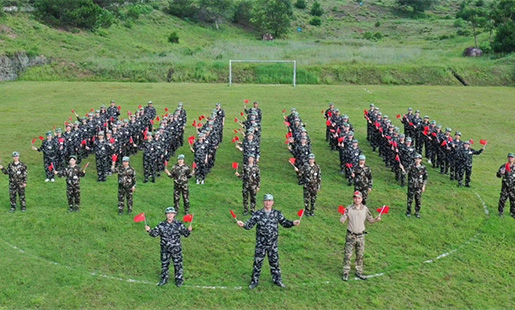
Team members support and collaborate with each other, jointly overcome difficulties, share experiences and knowledge, and form a strong whole.
Establish honest and cooperative relationships with customers and suppliers, keep promises, and treat every business with honesty and fairness.
We are well aware that every product is related to the interests and safety of customers. Therefore, we always maintain a high sense of responsibility and take every job seriously.
Respect the personality and ideas of each employee, provide a good development space for employees, and also respect the needs and opinions of customers.
In a CNC machining company, professional certificates are important criteria for measuring the technical strength of the company and the professional quality of employees. They represent the baseline requirement for supplying high-stakes industries, proving operational discipline and hardware verification. Common professional certificates related to CNC machining include:
These professional certificates not only represent the individual professional skills of employees but also reflect the overall technical level and quality assurance ability of the company, helping to enhance the company's competitiveness in the market.
Chinese direct factory for the silicone oil, MM, and other organosilicone materials. Delivering full traceability and standards compliance across all industrial component applications.
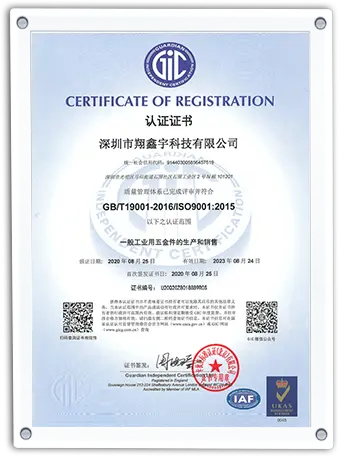
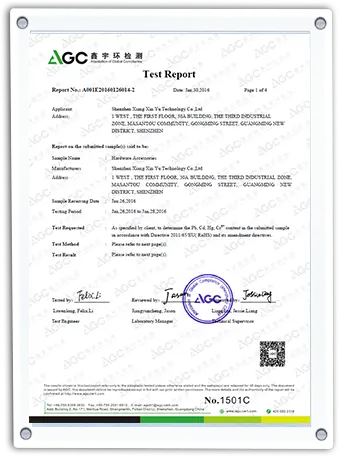
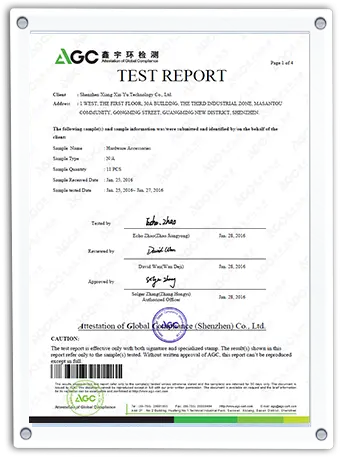
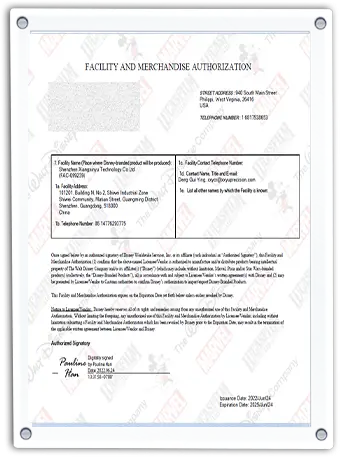
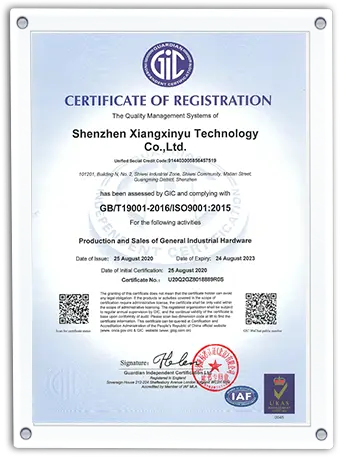
How international buyers ensure quality, speed, and design protection when working with manufacturers in China.
Procuring CNC machined components requires managing logistics, material certification, and tooling accuracy. To manage risk and optimize cost efficiency, global procurement teams focus on three main operational safeguards:
Using poor-quality aluminum alloys can lead to structural failures, tool breakage, or cosmetic inconsistencies after anodizing. Reputable Chinese manufacturers provide Material Test Reports (MTRs) for each batch. This process verifies that the chemical composition and mechanical properties of the aluminum (e.g., 6061-T6 or 7075-T6) match the ASTM, EN, or JIS specifications required by the design.
For high-precision applications like aerospace housing or micro-electronic channels, standard visual inspection is insufficient. Leading factories use Coordinate Measuring Machines (CMM), optical comparators, and automated vision systems. Quality control steps should verify Dimensions and Geometric Dimensioning and Tolerancing (GD&T) parameters to prevent integration errors during assembly.
Protecting CAD proprietary files is a key priority for technology OEMs. Partnering with professional suppliers like Shenzhen Xiang Xin Yu Technology Co., Ltd. involves signing enforceable Non-Disclosure Agreements (NDAs). These agreements ensure that design documents are stored securely and only accessible by authorized engineering and production personnel.
Answers to common queries from global procurement managers and structural engineers sourcing CNC machined aluminum parts.
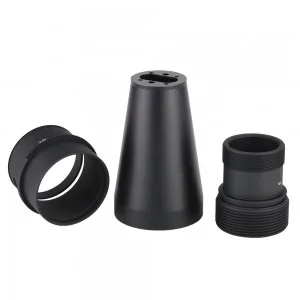
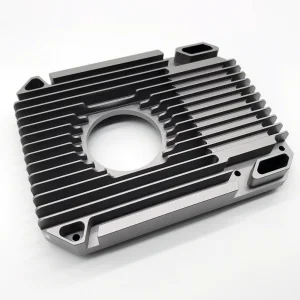
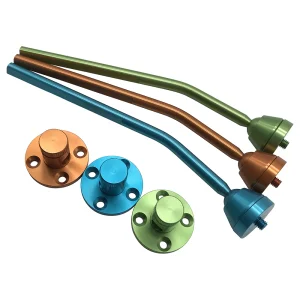
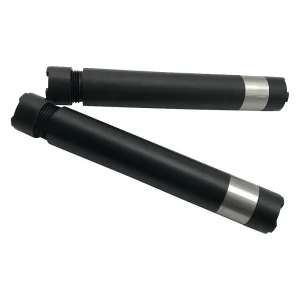
Engineered for excellence. Select any product category to explore specific designs and request quotes.
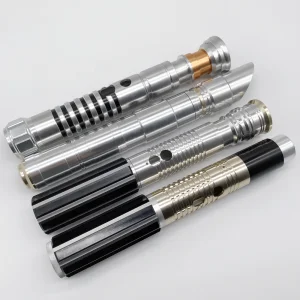
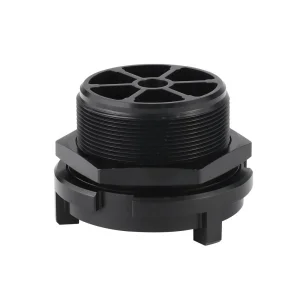
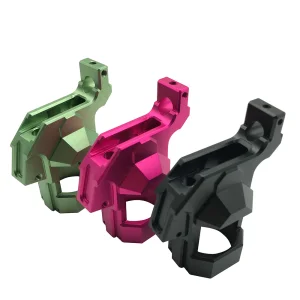
 Xiang Xin Yu