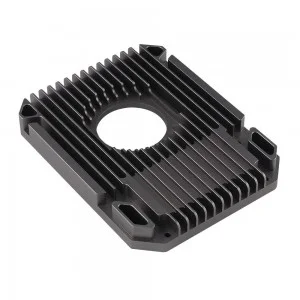
In the rapidly changing landscape of global advanced manufacturing, Polymethyl Methacrylate (PMMA)—commonly known as acrylic—stands out as a critical material choice for industries demanding superior optical clarity, exceptional durability, and weight reduction. As a leading Custom Acrylic Parts Manufacturer & Factory, Shenzhen Xiang Xin Yu Technology Co., Ltd. serves as the architectural and technical bridge between raw material potential and high-precision mechanical realities.
Globally, industrial components require higher performance criteria, including high light transmission (92%), weatherability, resistance to mechanical stress, and chemical stability. Our customized manufacturing facility addresses these challenges by applying precision CNC routing, milling, and turning methodologies optimized exclusively for acrylic's complex thermodynamic properties. Under continuous quality audits, our processes prevent micro-cracks and thermal stresses that commonly occur during conventional manufacturing processes.
From aerodynamic windshields to high-end dashboard displays and instrument panels. Custom-engineered PMMA delivers impact resistance and exceptional optical clarity under varying atmospheric pressures.
High-transparency laboratory consumables, microfluidic chips, incubator windows, and vacuum diagnostic canisters. These clean-machined acrylic systems satisfy bio-compatibility requirements.
Precision lenses, light guides, and light diffusion plates. Using multi-axis machining and sub-micron polishing techniques, we guarantee minimal refraction losses for lighting applications.
Shenzhen Xiang Xin Yu Technology Co., Ltd. is an enterprise specializing in CNC machining, with many years of industry experience and outstanding technical strength.
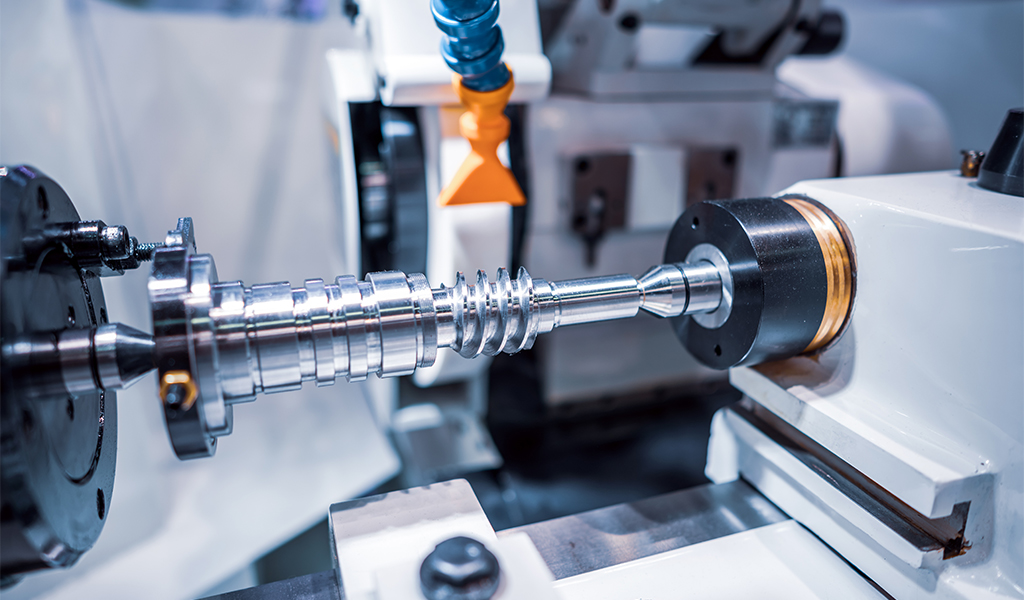
We are equipped with advanced CNC machine tools and equipment, which can meet the processing requirements of various complex and precise parts. From key components in the aerospace field to high-precision parts in the automotive industry, from fine components in medical equipment to micro-structural parts in the electronics industry, we can provide customers with high-quality products with exquisite craftsmanship and strict quality control.
The company focuses on technological innovation and talent cultivation, and has an experienced and highly skilled professional team. They constantly explore and research new processing techniques and methods to improve production efficiency and product quality.
We always adhere to the customer-centered approach, deeply understand customer needs, and provide customers with customized solutions and all-round service support. From order receipt to product delivery, every link is strictly controlled to ensure the timely delivery of high-quality products.
Machining acrylic demands a deep understanding of its physical limits. Unlike metals, PMMA is highly sensitive to heat buildup and shear stress. At Shenzhen Xiang Xin Yu Technology, we mitigate these constraints by refining tool geometry, adjusting spindle speeds, and planning detailed post-processing paths. Below are the key manufacturing steps we take to ensure premium component delivery:
PMMA has a low glass transition temperature (~105°C). Excess tool friction will melt the material, causing poor surface finishes and dimensional deviation. We use custom single-flute and double-flute carbide cutters with high rake angles, supported by clean cold-air blasts or targeted water-soluble mist systems, to maintain cool cutting interfaces.
Acrylic is prone to micro-cracking (crazing) when subjected to residual mechanical stresses or specific solvent exposures. We apply post-machining annealing cycles (typically heating to 80°C for 2–4 hours with controlled cooling rates less than 10°C/hr) to relieve internal structural stresses.
To transition machined acrylic from translucent to optical transparency, we provide vapor polishing (using solvent vapor to reflow surface peaks), flame polishing for straight edges, and optical diamond edge flycutting for flat, ultra-smooth surfaces.
We are a professional CNC machining company, and our corporate culture is built on these core values, shaping how we build partnerships and manufacture precision products.
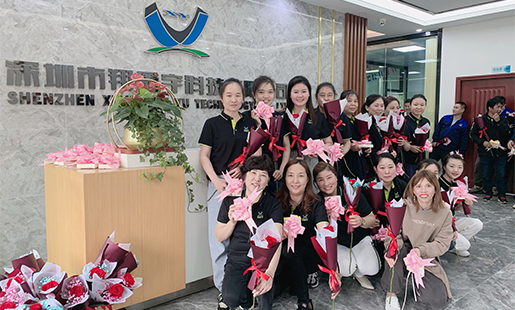
We encourage employees to continuously explore new processing methods and technologies to improve production efficiency and product quality and meet the changing needs of customers.
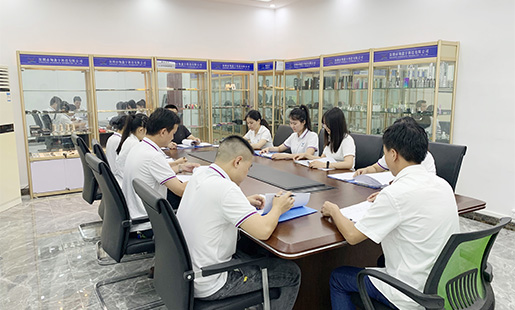
We pursue excellent quality, strictly control every processing link, and strive for zero defects to provide customers with the best products.
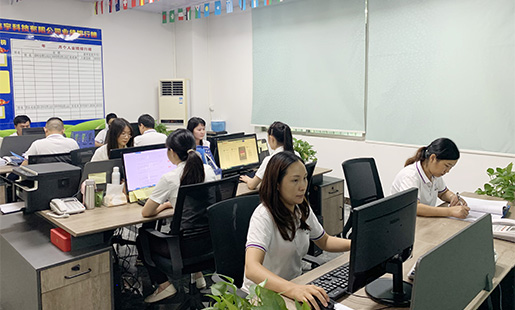
Team members support and collaborate with each other, jointly overcome difficulties, share experiences and knowledge, and form a strong whole.

Establish honest and cooperative relationships with customers and suppliers, keep promises, and treat every business with honesty and fairness.
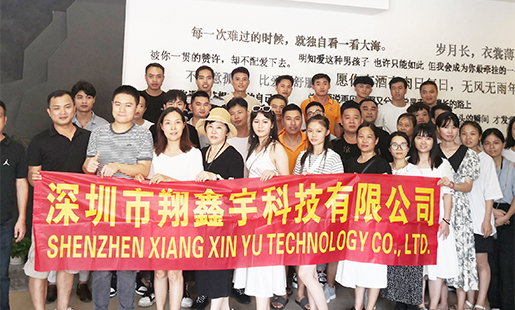
We are well aware that every product is related to the interests and safety of customers. Therefore, we always maintain a high sense of responsibility and take every job seriously.
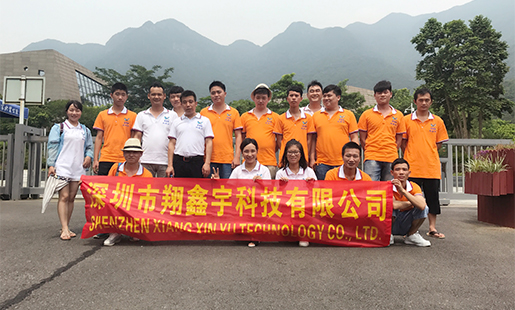
Respect the personality and ideas of each employee, provide a good development space for employees, and also respect the needs and opinions of customers.
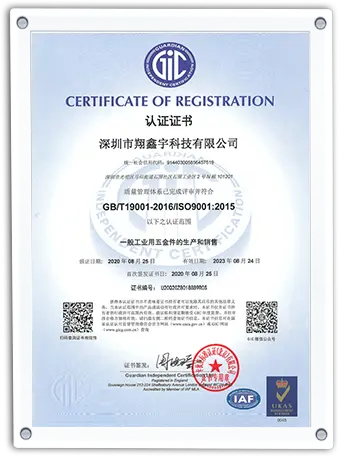
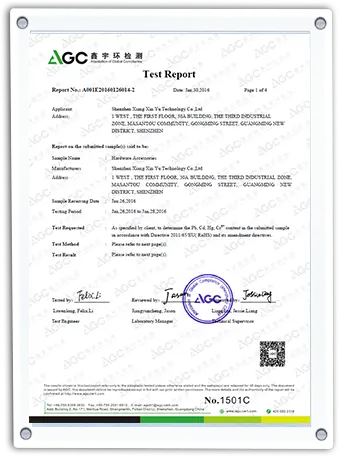
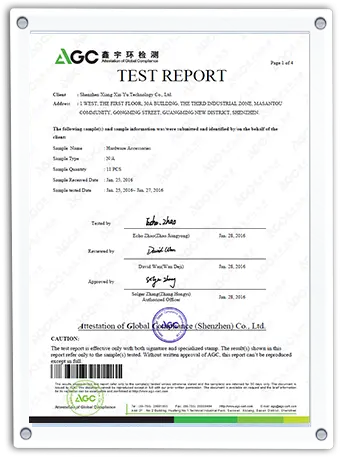
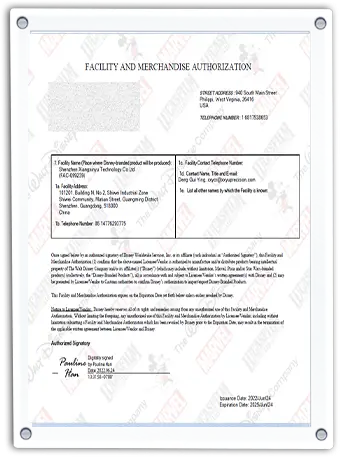
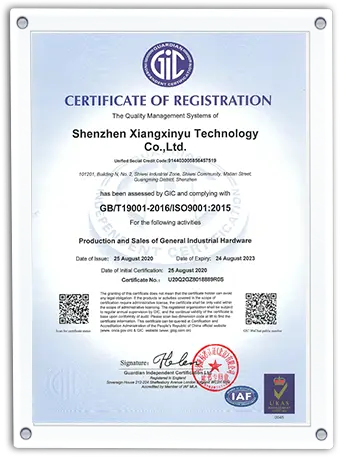
In a CNC machining company, professional certificates are important criteria for measuring the technical strength of the company and the professional quality of employees. These professional certificates not only represent the individual professional skills of employees but also reflect the overall technical level and quality assurance ability of the company, helping to enhance the company's competitiveness in the market.
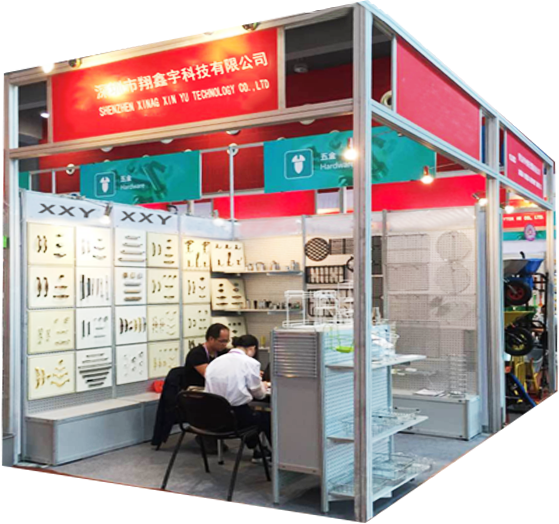
We serve as a reliable direct factory partners, ensuring all raw polymeric stocks, silicone oils, MM, and other organosilicone materials fully comply with European RoHS standards. Our testing ensures that heavy metal and chemical concentration levels remain well below standard limits, making our products suitable for critical medical and electronic application designs.
As product designs advance, the requirements for custom PMMA parts continue to increase. To meet the demands for tighter tolerances and clearer finishes, our factory has developed a long-term technical roadmap:
Deploying real-time heat sensors adjacent to the machining point. When thermal thresholds are reached, the control software dynamically adjusts feed rates, eliminating the risk of micro-fractures in acrylic components.
Implementing high-frequency ultrasonic machining spindles to minimize chip thickness and cutting force, enabling the production of microfluidic channels with cross-sections under 100 microns.
Partnering with green chemical suppliers to offer bio-based and recycled PMMA options that maintain identical optical and mechanical properties to traditional virgin polymers.
 Xiang Xin Yu