Leveraging state-of-the-art subtractive manufacturing pipelines to realize complex geometries and uncompromising tolerances.
Pioneering Sub-Micron Precision Machining from the Heart of Global Innovation
Shenzhen Xiang Xin Yu Technology Co., Ltd. is a high-technology enterprise specializing in advanced CNC machining, with many years of deep-rooted industry experience and outstanding technical strength. Located in Shenzhen, the global epicentre of advanced hardware and engineering development, we serve as a pivotal link in international manufacturing chains, providing unparalleled mechanical solutions.
Our facility is equipped with state-of-the-art CNC machine tools and inspection instrumentation, enabling us to satisfy the most demanding dimensional tolerances and geometrical complexities. From structural aerospace modules to high-integrity automotive power transmission components, and from biocompatible surgical tools to microscopic electronics housings, we continuously push the envelope of subtractive manufacturing capabilities.
By centering our corporate mission around technological integration, continuous workforce evolution, and strict quality control systems, we ensure that every prototype and production batch is delivered with the highest fidelity to design specifications. Our engineering consultancy focuses on Design for Manufacturability (DFM), assisting procurement managers and development teams globally in optimization and cost reduction without sacrificing functional integrity.
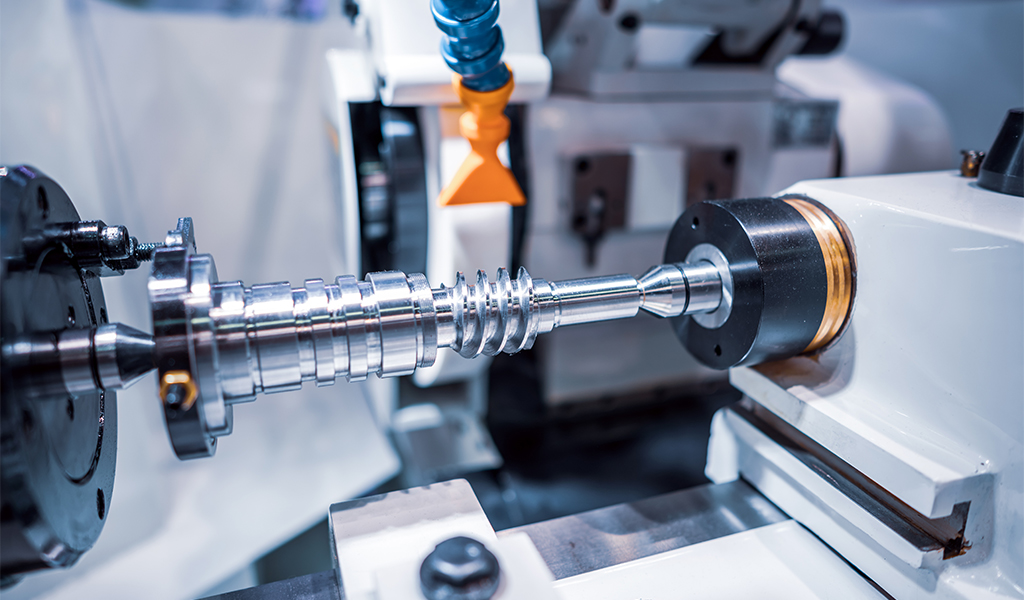
Understanding the requirements of modern supply chain management and how custom CNC milling mitigates manufacturing bottlenecks.
Structural reliability and extreme weight-to-strength ratios dictate aerospace engineering. We provide machined components in Titanium Grade 5, Aerospace-grade Aluminum (7075-T6), and high-integrity superalloys, ensuring conformance to strict geometric stability requirements and complete material traceability documentation.
With the rapid transition toward electric vehicles (EVs), lightweight structural integration and thermal management are paramount. Our factory processes high-precision battery enclosures, electric motor housings, and custom drive components with optimized cooling channels, maintaining structural stability under high cyclic loads.
Biocompatibility and surface finish parameters are critical in surgical and laboratory applications. We manufacture orthopaedic implants, surgical navigation tools, and fluidic manifolds using medical-grade PEEK, Titanium, and 316L Stainless Steel, maintaining clean-room processing standards and zero-flash surface outputs.
A breakdown of our manufacturing thresholds, multi-axis equipment capabilities, and finished surface treatments.
| Manufacturing Parameter | Technical Threshold / Capability Range | Industrial Applications |
|---|---|---|
| Dimensional Tolerances | ±0.005 mm (Linear) / ±0.002 mm (Geometric Positioning) | Optical fixtures, aerospace couplers, injector nozzles |
| Multi-Axis Milling | 3-Axis, 4-Axis, and Simultaneous 5-Axis Machining | Impellers, turbine blades, complex anatomical implants |
| Machinable Materials | Aluminum (6061, 7075), Stainless Steel (304, 316), Titanium (Gr 5), Brass, Copper, PEEK, Delrin, PTFE | Structural brackets, corrosion-resistant marine parts, electronic insulators |
| Maximum Working Envelope | Up to 1200 mm × 800 mm × 600 mm | Large-scale engine brackets, automated machine frames |
| Surface Roughness (Ra) | Ra 0.4 µm (as-machined) down to Ra 0.1 µm (polished/lapped) | High-pressure hydraulic seals, reflective instrument housings |
| Post-Processing Treatments | Anodizing (Type II & III), Alodine, Passivation, Bead Blasting, Electroplating, PVD Coating | Corrosion mitigation, aesthetic wear resistance, surface hardening |
Our organizational framework is engineered to deliver excellence, reliability, and continuous improvement.
At Shenzhen Xiang Xin Yu Technology Co., Ltd., our team culture is built on the following foundational tenets, ensuring every project meets global quality parameters:
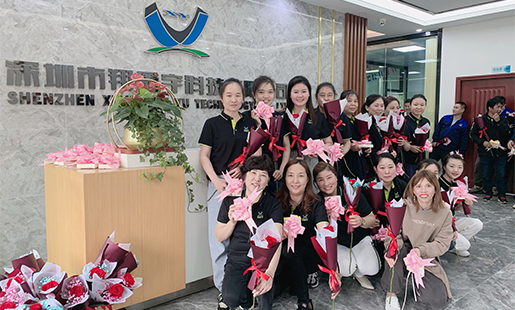
We encourage employees to continuously explore new processing methods and technologies to improve production efficiency and product quality and meet the changing needs of customers.
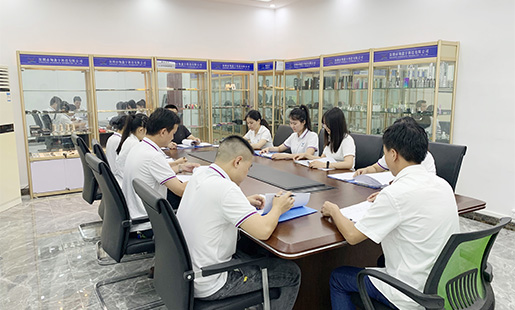
We pursue excellent quality, strictly control every processing link, and strive for zero defects to provide customers with the best products.
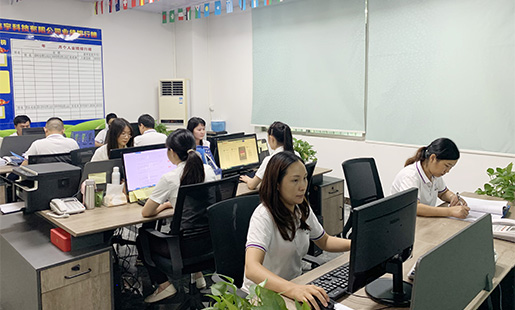
Team members support and collaborate with each other, jointly overcome difficulties, share experiences and knowledge, and form a strong whole.
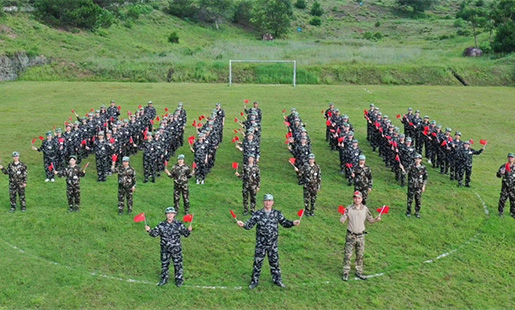
Establish honest and cooperative relationships with customers and suppliers, keep promises, and treat every business with honesty and fairness.
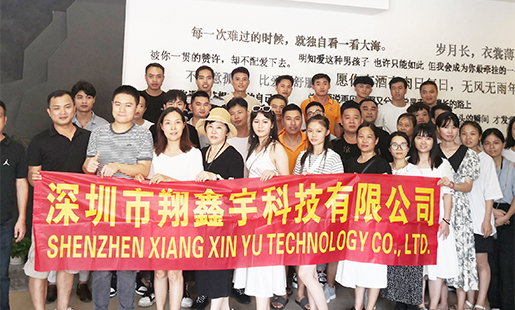
We are well aware that every product is related to the interests and safety of customers. Therefore, we always maintain a high sense of responsibility and take every job seriously.
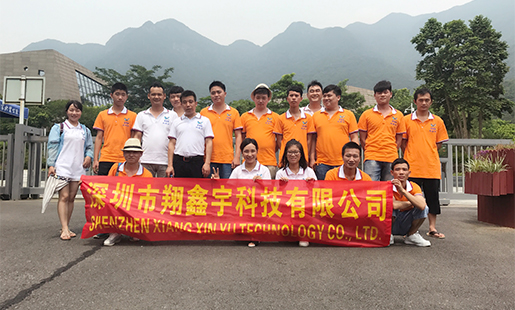
Respect the personality and ideas of each employee, provide a good development space for employees, and also respect the needs and opinions of customers.
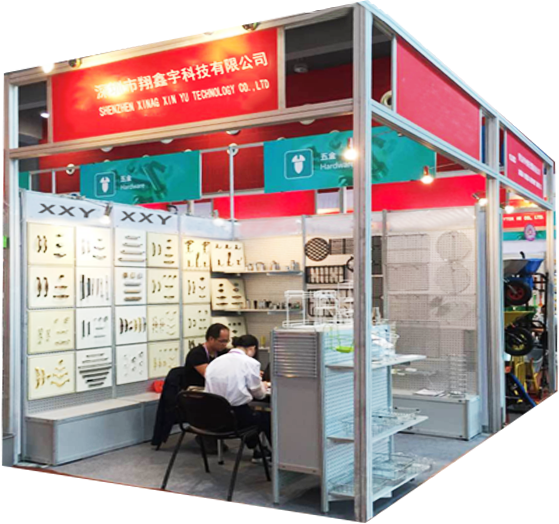
Engineered to Meet Rigid Global Compliance Frameworks
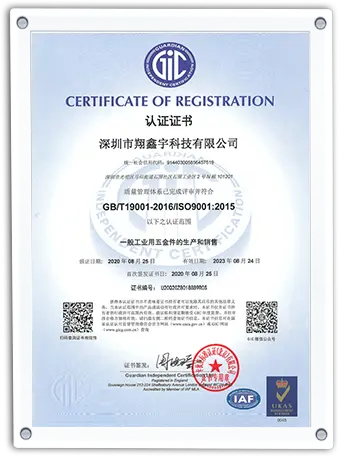
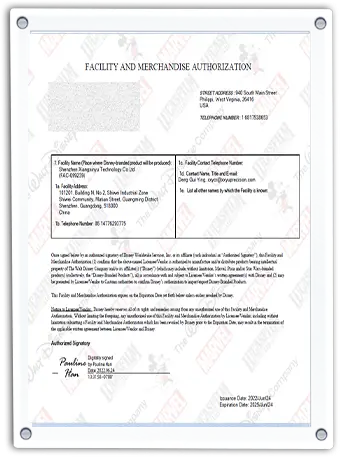
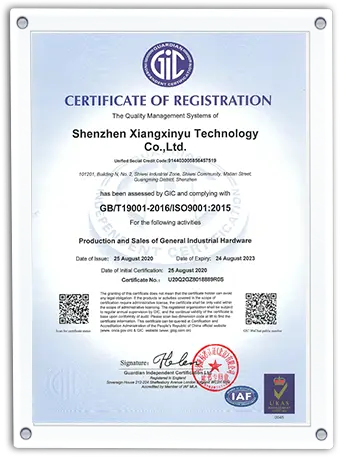
In a high-precision CNC machining company, professional certificates are the primary criteria for measuring technical capabilities and quality assurance consistency. At Xiang Xin Yu, we systematically train our operators and invest heavily in quality control framework compliance. Common professional certificates related to CNC machining include:
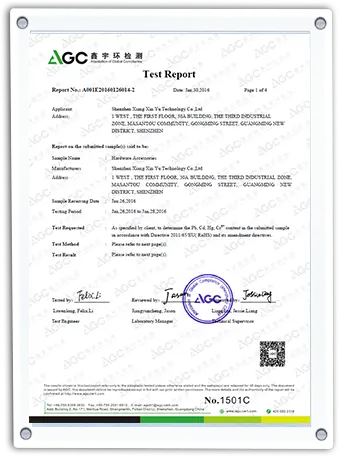
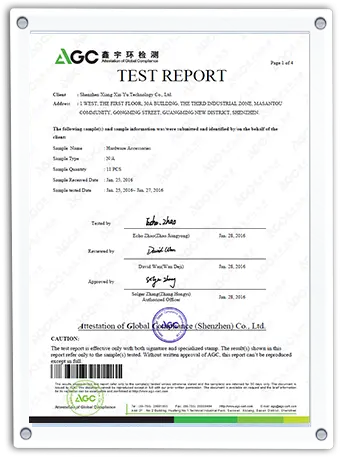
Direct Chinese factory supply chain solutions ensuring full conformity to environmental directives, RoHS restrictions, and structural integrity standards.
Adapting to smart manufacturing paradigms, automated production, and real-time toolpath correction.
By simulating machining processes via digital twin environments prior to physical execution, we reduce trial runs, optimize toolpath kinetics, and prevent costly manufacturing errors. This guarantees 100% geometry translation from the initial STEP file to the finished physical part.
Integrating robotic loading arms with multi-station CNC centers allows for continuous 24/7 manufacturing cycles. This lowers production overhead, enhances consistency across high-volume production batches, and shortens project delivery schedules significantly.
Real-time machine vision inspection systems and coordinate measuring machines (CMM) monitor critical dimensions directly within the work envelope. Any micro-deflections or tool-wear patterns are corrected dynamically, eliminating dimensional drift.
Providing technical clarity and expert answers for global procurement professionals and design engineers.
Our standard machining processes achieve a linear dimensional tolerance of ±0.05 mm. For high-precision requirements, we regularly achieve ±0.005 mm (5 microns). Geometrical alignment and positioning tolerances can be maintained up to ±0.002 mm, depending on material properties, part geometry, and workpiece clamping methods.
Every raw material batch entering our factory undergoes chemical analysis and is accompanied by material test reports (MTR) verifying compliance with EU RoHS directive. We maintain rigorous internal control metrics according to the ISO 9001 quality framework, tracking components from original raw bar stock to finished product inspection reports.
For applications where weight is critical, Titanium Grade 5 (Ti-6Al-4V) offers exceptional specific strength. For structural components requiring mechanical endurance, Stainless Steel 17-4 PH or tool steel (e.g., H13) can be machined and subsequently heat-treated to achieve optimal hardness (up to 45 HRC or higher) and wear resistance.
Rapid prototyping components can usually be delivered in 3 to 7 working days, including surface finishes like anodizing or sandblasting. High-volume industrial production orders typically span 15 to 25 working days, depending on material availability, machining setup times, and the complexity of the required post-treatments.
5-axis simultaneous milling allows the cutting tool and the workpiece to move across five axes concurrently. This permits machining of complex, curved surfaces in a single setup. By reducing the number of times a workpiece must be repositioned, we minimize clamping errors and maximize geometric alignment and concentricity.
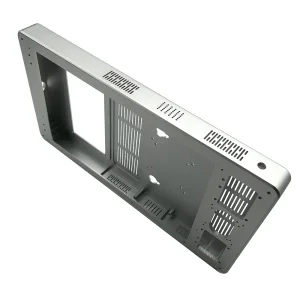
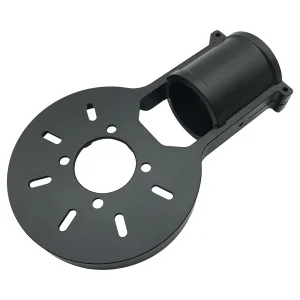
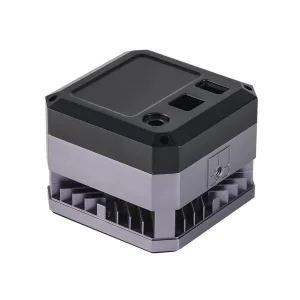
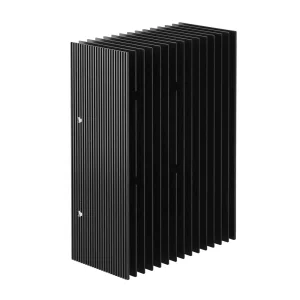
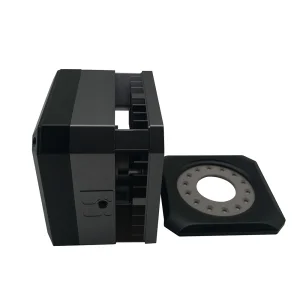
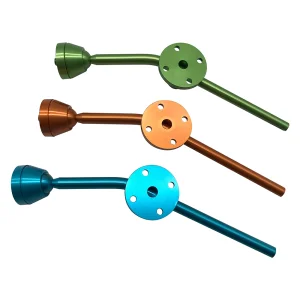
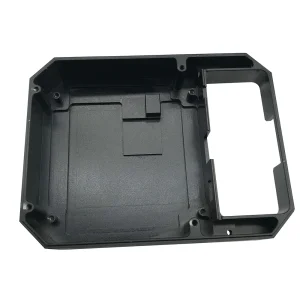
Browse through our expanded inventory of CNC-turned and milled hardware customized for heavy industrial applications.
 Xiang Xin Yu