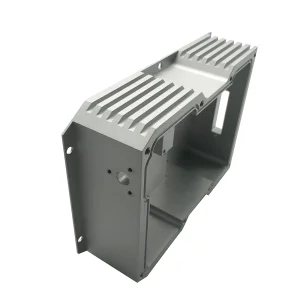
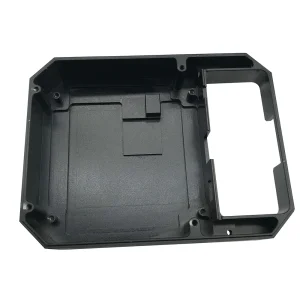
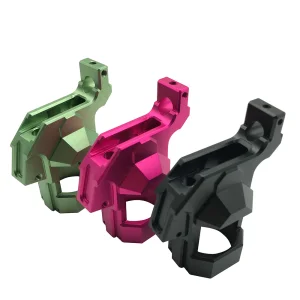
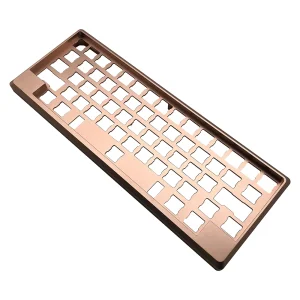
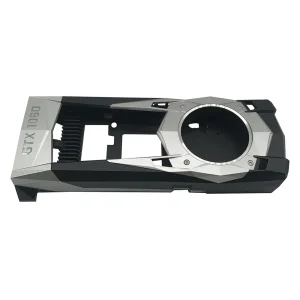
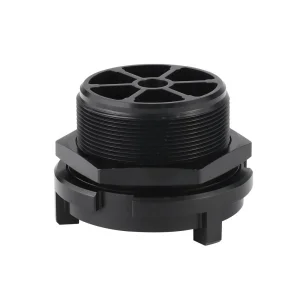
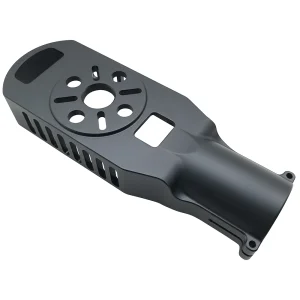
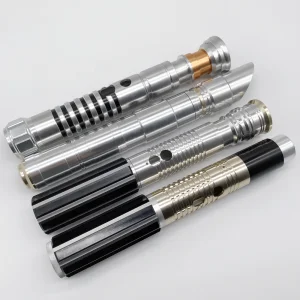
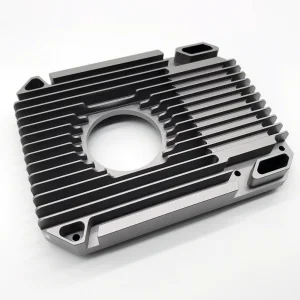
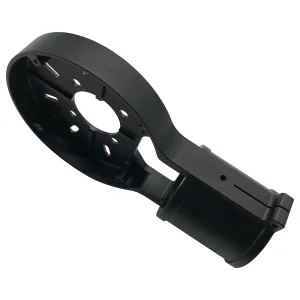
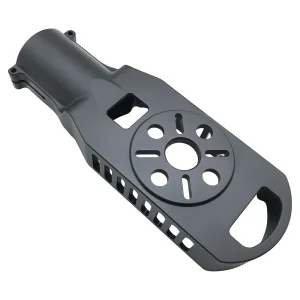
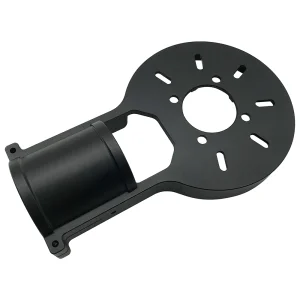
Explore our premium-engineered standard and non-standard custom structural components designed to execute high-stress industrial tasks.
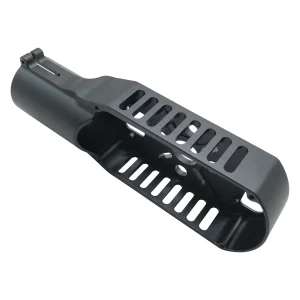
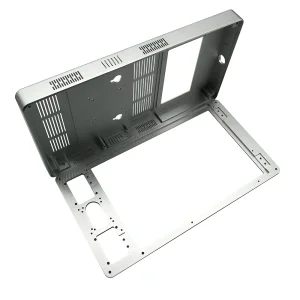
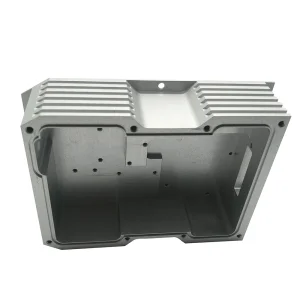
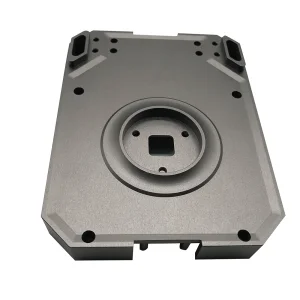
In modern industrial design, the conversion of heavy, corrosion-prone metallic assemblies into lightweight, high-performance machined plastic parts is no longer just a cost-reduction strategy—it is a performance necessity. Precision-machined polymers like PEEK, PTFE, Ultem, and Delrin offer strength-to-weight ratios that equal or exceed traditional metals, while delivering unparalleled electrical insulation, chemical resistance, and tribological self-lubricating characteristics.
However, unlike metal fabrication, machining engineering polymers is a highly delicate science. Plastic materials possess high thermal expansion coefficients, low thermal conductivity, and elastic recovery properties. This means that a standard toolpath designed for aluminum or brass will result in dimensional deformation, micro-cracking, or internal residual stresses in engineering plastics. As an industry-leading manufacturer, Shenzhen Xiang Xin Yu Technology Co., Ltd. deploys specialized chip breakers, custom tooling geometry, and rigorous heat-annealing procedures to deliver components with sub-micron dimensional stability.
Navigating the complex mechanical, chemical, and thermal properties of engineering thermoplastics is key to selecting the right material for custom machining. Below is a comprehensive lookup reference for critical material properties managed in our CNC processes:
| Material Class | Generic Trade Name | Max Service Temp (°C) | Chemical Resistance | Primary Industrial Use Case |
|---|---|---|---|---|
| PEEK (Polyetheretherketone) | Victrex PEEK | 260°C | Excellent (All solvents, acids) | Aerospace manifolds, medical implants, oilwell backups |
| PTFE (Polytetrafluoroethylene) | Teflon | 250°C | Outstanding (Virtually inert) | High-pressure hydraulic seals, semiconductor fluid lines |
| POM (Polyoxymethylene / Acetal) | Delrin | 90°C | Good (Hydrocarbons, neutral) | High-load gears, wear strips, consumer electronics |
| PEI (Polyetherimide) | Ultem | 170°C | High (Acids, alcohols) | Aircraft interior components, electrical housings |
| PA 66 (Polyamide / Nylon) | Zytel | 95°C | Moderate (Oils, greases) | Structural brackets, rollers, wear resistance |
| PVDF (Polyvinylidene Fluoride) | Kynar | 150°C | Excellent (Strong acids, halogens) | Chemical distribution valves, semiconductor wet benches |
Shenzhen Xiang Xin Yu Technology Co.,Ltd. is an enterprise specializing in CNC machining, with many years of industry experience and outstanding technical strength.
We are equipped with advanced CNC machine tools and equipment, which can meet the processing requirements of various complex and precise parts. From key components in the aerospace field to high-precision parts in the automotive industry, from fine components in medical equipment to micro-structural parts in the electronics industry, we can provide customers with high-quality products with exquisite craftsmanship and strict quality control.
The company focuses on technological innovation and talent cultivation, and has an experienced and highly skilled professional team. They constantly explore and research new processing techniques and methods to improve production efficiency and product quality.
We always adhere to the customer-centered approach, deeply understand customer needs, and provide customers with customized solutions and all-round service support. From order receipt to product delivery, every link is strictly controlled to ensure the timely delivery of high-quality products.
In terms of quality control, we have established a perfect quality management system and strictly manage the purchase of raw materials, production process monitoring and finished product inspection to ensure that each product meets industry standards and customer requirements. In the future, we will continue to uphold the concepts of professionalism, innovation, quality and service, constantly enhance our own strength, provide customers with better CNC machining services, and become a leading enterprise in the industry.
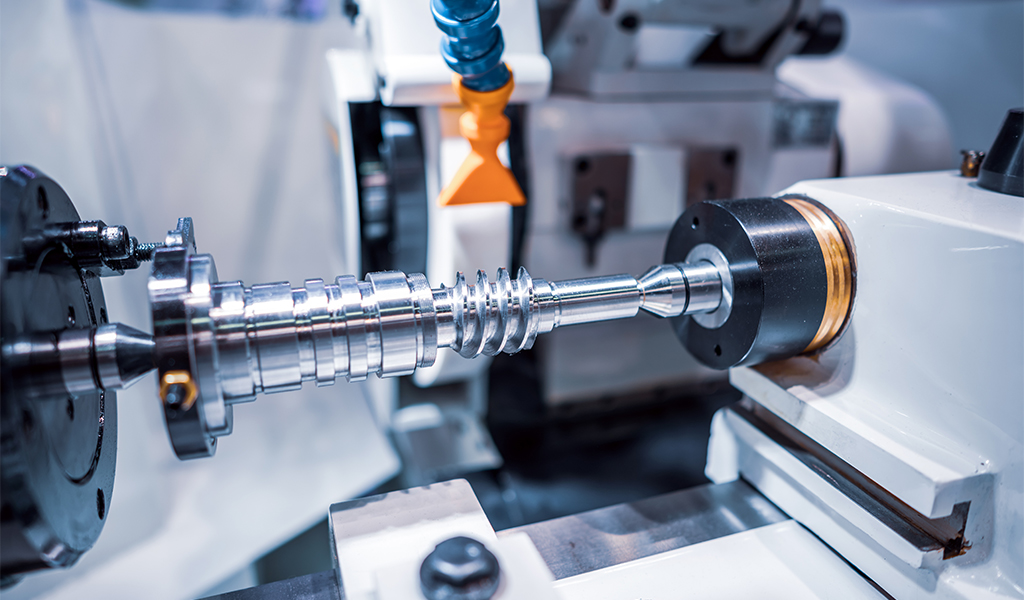
In the global B2B procurement matrix, sourcing custom machined plastic parts from specialized Chinese manufacturers like Shenzhen Xiang Xin Yu Technology Co., Ltd. presents multiple systemic advantages over domestic localized sourcing:
1. Vertically Integrated Material Supply Chains: South China represents the world’s most dense industrial cluster for raw materials, chemical polymers, and secondary post-processing capabilities. We procure certified medical-grade, food-contact (FDA compliant), and flame-retardant (UL94-V0) polymer stocks directly from prime chemical extrusion facilities at significantly reduced lead times.
2. Advanced Machining Clusters (Multi-Axis & Digital Twins): The adoption of 5-axis simultaneous CNC milling centers and digital-twin engineering controls (such as the XXY Intelligent Multi-Axis CNC Center Digital Twin Precision Mastery) allows for one-setup complex milling. This dramatically reduces production costs and ensures unparalleled concentricity on complex geometries.
3. Unmatched Agility & Prototype-to-Scale Transition: While Western contract shops require weeks of tooling set-ups, Chinese manufacturers operate with flexible factory schedules. We transition seamlessly from rapid 3D CAD modeling and prototype validation (within 48 hours) to full-scale automated multi-shift production.
We are a professional CNC machining company, and our corporate culture is built on the following core values:
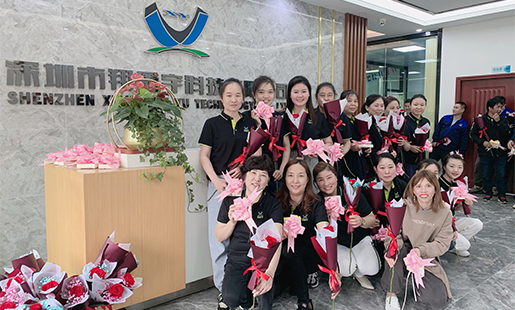
We encourage employees to continuously explore new processing methods and technologies to improve production efficiency and product quality and meet the changing needs of customers.
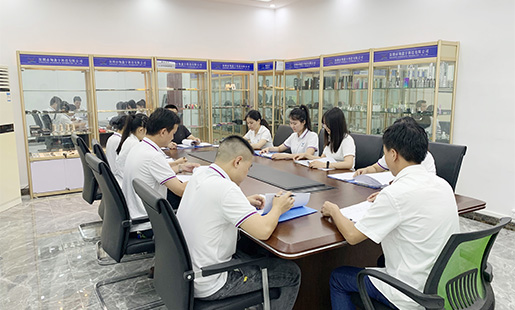
We pursue excellent quality, strictly control every processing link, and strive for zero defects to provide customers with the best products.
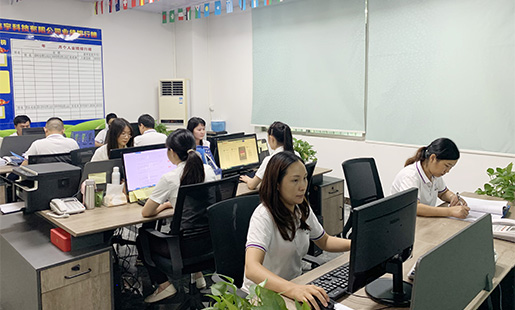
Team members support and collaborate with each other, jointly overcome difficulties, share experiences and knowledge, and form a strong whole.

Establish honest and cooperative relationships with customers and suppliers, keep promises, and treat every business with honesty and fairness.
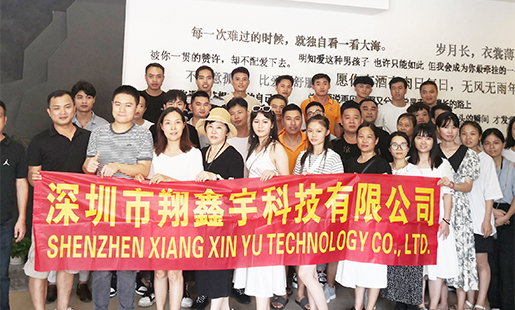
We are well aware that every product is related to the interests and safety of customers. Therefore, we always maintain a high sense of responsibility and take every job seriously.
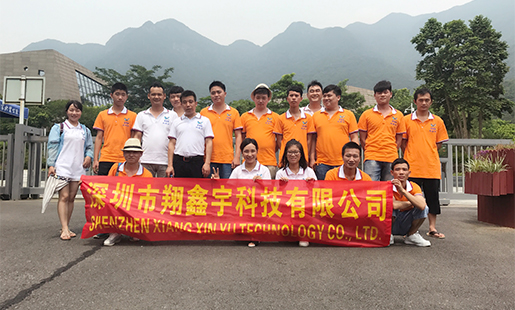
Respect the personality and ideas of each employee, provide a good development space for employees, and also respect the needs and opinions of customers.
Global procurement teams face strict regulatory and compliance requirements. Components must meet precise drawings while fulfilling secondary requirements like outgassing limits, sterilization tolerance, cleanroom packaging, and batch traceability. Here is how our custom plastic parts support macro-industries worldwide:
Medical instruments require plastics that can survive repeated autoclaving (steam sterilization) and chemical wipe-downs. We machine custom surgical trials, analytical equipment manifolds, and implant trials out of FDA-approved PEEK, PPSU (Radel), and UHMW-PE. Every batch is manufactured under strict quality audits to prevent cross-contamination.
Semiconductor manufacturing involves aggressive acids, bases, and high temperatures. Metallic components fail due to rapid chemical corrosion and metal-ion contamination. Machined PVDF, PTFE, and PEEK parts provide excellent chemical barrier protection, low leachability, and static-dissipative properties (ESD plastics) to protect wafer integrity.
Weight directly translates to fuel consumption in aerospace design. Replacing heavy aluminum conduits, brackets, and seals with carbon-fiber-reinforced PEI (Ultem) or PEEK parts optimizes aircraft payload. Our parts meet aviation FAR 25.853 flame, smoke, and toxicity requirements.
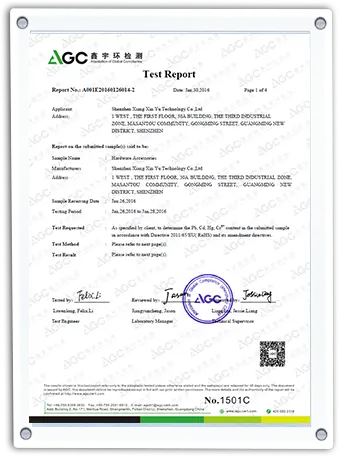
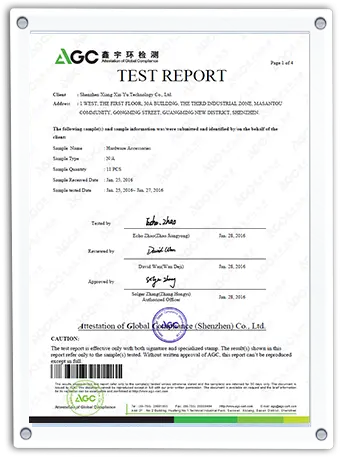
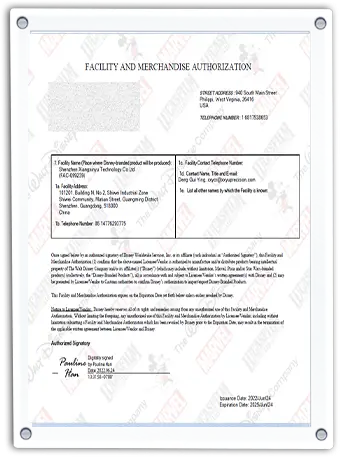
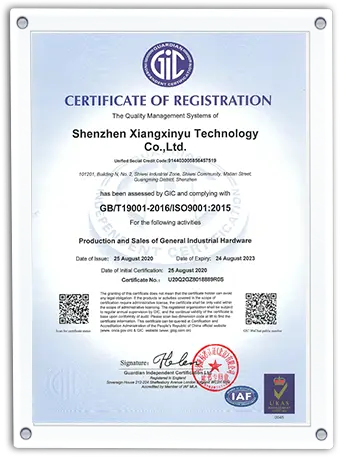
In a CNC machining company, professional certificates are important criteria for measuring the technical strength of the company and the professional quality of employees. Common professional certificates related to CNC machining include:
These professional certificates not only represent the individual professional skills of employees but also reflect the overall technical level and quality assurance ability of the company, helping to enhance the company's competitiveness in the market.
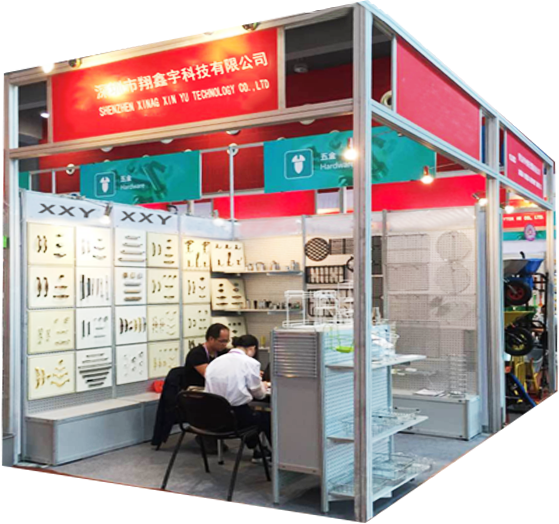
Chinese direct factory for the silicone oil, MM, and other organosilicone materials. Raw material batch transparency is fully integrated.
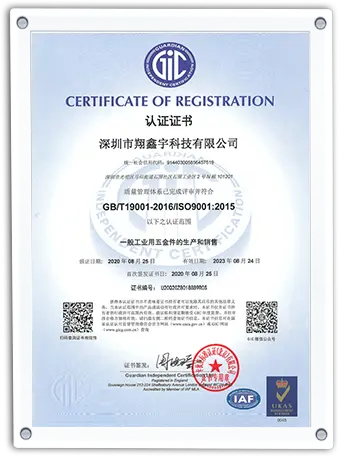
The manufacturing sector for custom machined plastic parts is undergoing rapid structural transitions driven by global environmental mandates, digitization, and material innovations:
• The Rise of Biocompatible and Bio-based Polymers: Modern medical equipment developers are steering procurement targets toward bio-derived PA11, PLA, and medical-grade recycled PEEK formulations to meet corporate ESG goals. Finding machining partners who understand the unique structural properties of these sustainable alternatives is essential.
• Integration of Real-Time Digital Twins: Industry 4.0 setups utilize digital twin environments to simulate tool deflection and thermal shifts in thermoplastics. This prevents parts from warping during dry-run stages, ensuring right-first-time machining for low-volume, high-value polymers like Vespel or Meldin.
• Hybrid Additive-Subtractive Manufacturing: For complex, hollow geometries, hybrid lines use 3D printing for rough shapes followed by multi-axis CNC milling to achieve high-precision tolerances. This approach minimizes raw material waste—a critical factor when working with expensive high-performance polymers.
Find expert technical answers regarding engineering design parameters, material tolerances, and manufacturing workflows.
Explore our secondary custom precision hardware, high-end fabrication components, and fast-response engineering solutions.
 Xiang Xin Yu