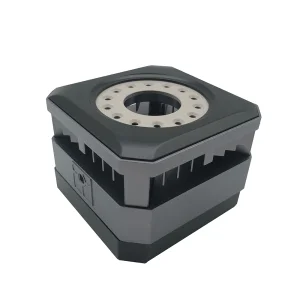
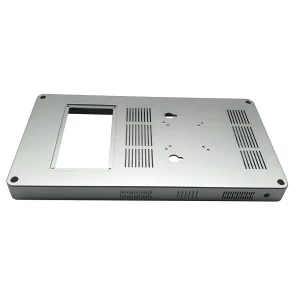
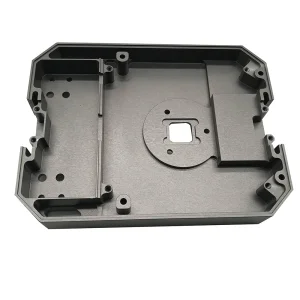
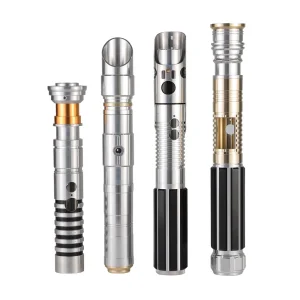
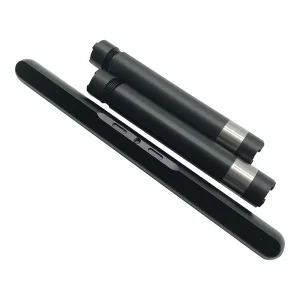
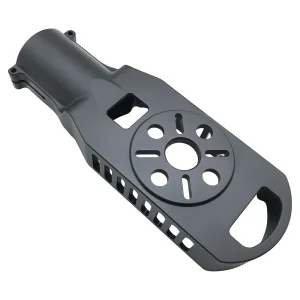
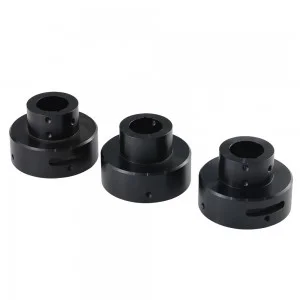
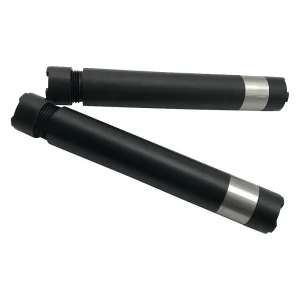
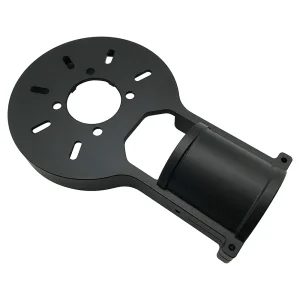
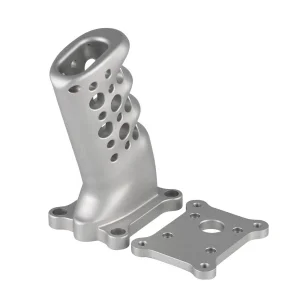
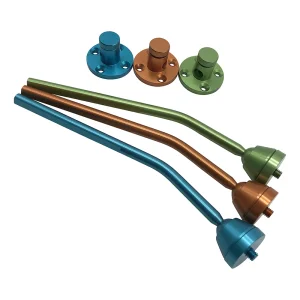
Explore our high-performance precision manufacturing options, tailored for demanding hardware specifications and strict compliance protocols.
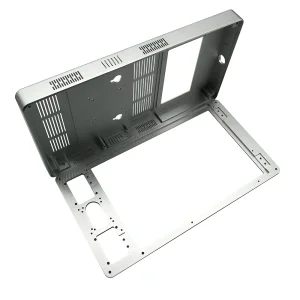
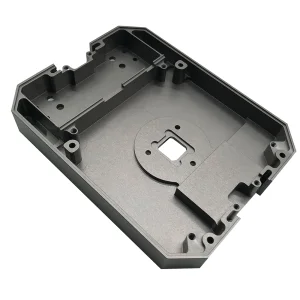
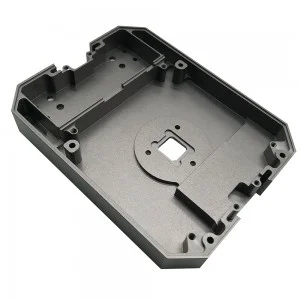
Shenzhen Xiang Xin Yu Technology Co., Ltd. is an enterprise specializing in CNC machining, with many years of industry experience and outstanding technical strength. We are equipped with advanced CNC machine tools and equipment, which can meet the processing requirements of various complex and precise parts. From key components in the aerospace field to high-precision parts in the automotive industry, from fine components in medical equipment to micro-structural parts in the electronics industry, we can provide customers with high-quality products with exquisite craftsmanship and strict quality control.
The company focuses on technological innovation and talent cultivation, and has an experienced and highly skilled professional team. They constantly explore and research new processing techniques and methods to improve production efficiency and product quality. We always adhere to the customer-centered approach, deeply understand customer needs, and provide customers with customized solutions and all-round service support. From order receipt to product delivery, every link is strictly controlled to ensure the timely delivery of high-quality products.
In terms of quality control, we have established a perfect quality management system and strictly manage the purchase of raw materials, production process monitoring and finished product inspection to ensure that each product meets industry standards and customer requirements. In the future, we will continue to uphold the concepts of professionalism, innovation, quality and service, constantly enhance our own strength, provide customers with better CNC machining services, and become a leading enterprise in the industry.
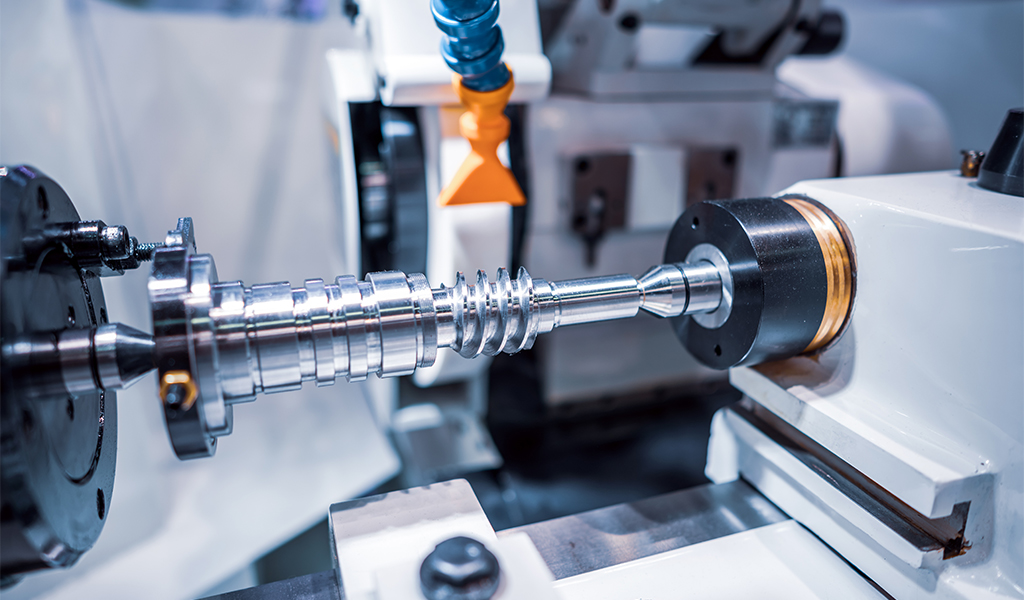
An in-depth look at material performance metrics, thermal properties, and milling strategies required to deliver zero-defect complex components.
Machining polymers requires deep familiarity with the thermal expansion coefficient and elasticity of each polymer group. Unlike metals, plastics dissipate heat poorly, making tool selection, spindle speed, and coolant dynamics critical to preventing thermal deformation.
Aluminum remains the cornerstone of modern structural component engineering due to its superb strength-to-weight ratio, excellent thermal conductivity, and responsiveness to protective coatings like anodization (Type II & Type III Hardcoat).
This technical comparison table helps engineers choose the correct raw materials and understand the corresponding tolerance profiles under standard CNC milling environments.
| Material Class | Common Alloys/Polymers | Achievable Tolerance (mm) | Thermal Expansion Coeff. (10⁻⁶/K) | Surface Roughness (Ra, µm) | Typical Applications |
|---|---|---|---|---|---|
| Aerospace Aluminum | Al 7075-T6 / Al 2024-T3 | ±0.005 to ±0.012 | 23.1 | 0.4 to 1.6 | Flight-critical brackets, structural ribs, manifolds |
| General Engineering Aluminum | Al 6061-T6 / Al 5052 | ±0.010 to ±0.020 | 23.5 | 0.8 to 3.2 | Electronics enclosures, heatsinks, automotive blocks |
| Super Engineering Plastic | PEEK (Unfilled / Glass-Filled) | ±0.015 to ±0.030 | 47.0 | 0.8 to 1.6 | Medical instruments, semiconductor test sockets |
| Crystalline Thermoplastic | POM (Delrin / Acetal) | ±0.020 to ±0.040 | 85.0 | 0.8 to 2.4 | Bushings, electrical insulators, industrial rollers |
| Fluoropolymer | PTFE (Teflon) | ±0.050 to ±0.100 | 120.0 | 1.6 to 3.2 | Corrosive fluid valves, chemical gaskets, seals |
Our company culture is built on values that ensure high-precision manufacturing matches dependable customer relationship management.
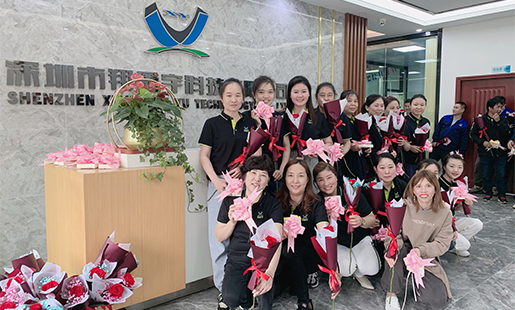
We encourage employees to continuously explore new processing methods and technologies to improve production efficiency and product quality and meet the changing needs of customers.
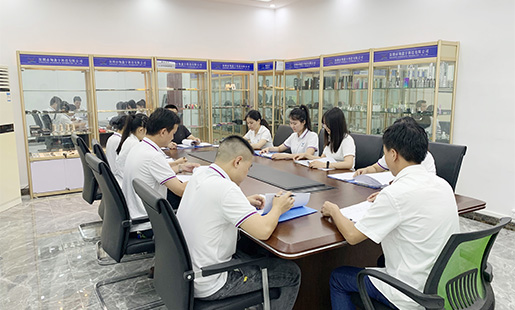
We pursue excellent quality, strictly control every processing link, and strive for zero defects to provide customers with the best products.

Team members support and collaborate with each other, jointly overcome difficulties, share experiences and knowledge, and form a strong whole.

Establish honest and cooperative relationships with customers and suppliers, keep promises, and treat every business with honesty and fairness.
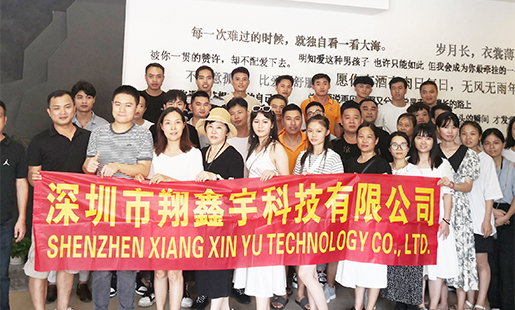
We are well aware that every product is related to the interests and safety of customers. Therefore, we always maintain a high sense of responsibility and take every job seriously.
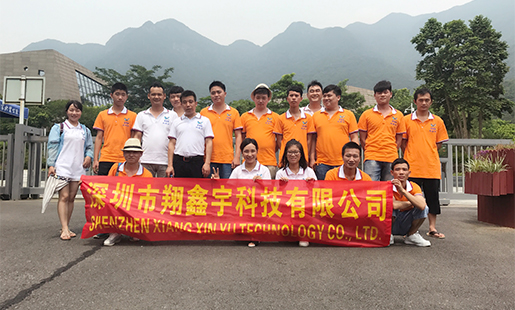
Respect the personality and ideas of each employee, provide a good development space for employees, and also respect the needs and opinions of customers.
How our custom plastic and aluminum milling capabilities translate to performance gains in major industrial sectors.
Aerospace manufacturing demands flight-critical safety profiles. Our multi-axis CNC centers mill high-grade Aluminum 7075-T6 components to ultra-tight specifications. We ensure components feature optimal weight reduction structures and precise surface finishes to withstand extreme atmospheric transitions.
In medical instrumentation, biocompatibility and dimensional stability under repeated sterilization are critical. We regularly machine components from medical-grade PEEK, POM-C, and corrosion-resistant aluminum alloys. Common parts include surgical guides, implants, structural chassis, and pump bodies.
Modern microelectronics require sub-micron precision. From wafer-handling equipment components machined out of high-grade plastics to electrostatic-dissipative (ESD) polymer nests and complex aluminum heatsinks, we supply components that prevent static and thermal damage to delicate silicon wafers.
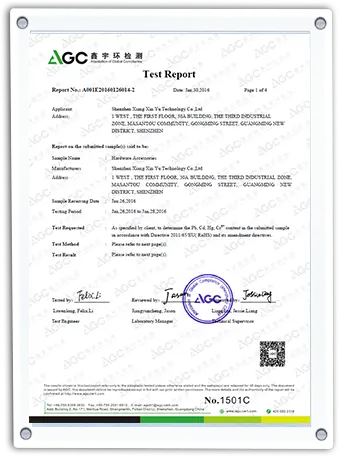
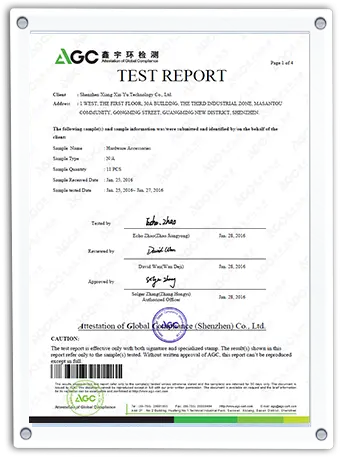
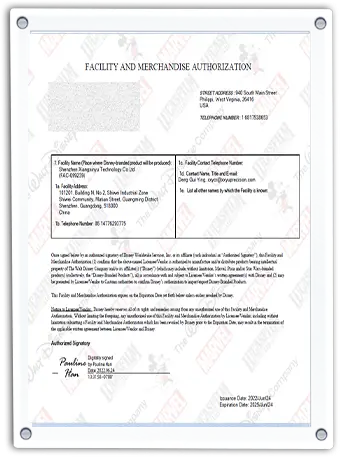
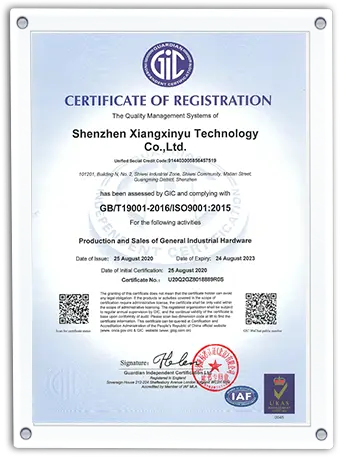
Operating as a key partner in international supply chains means complying with stringent quality systems. Shenzhen Xiang Xin Yu Technology Co., Ltd. runs on strict quality control workflows designed to verify compliance from raw material procurement to final optical sorting.
As a Chinese direct factory processing specialized parts, including projects involving silicone oil, MM, and other organosilicone materials, we maintain full regulatory visibility. We ensure all custom plastic formulations and aluminum coating processes adhere to the European Union's RoHS (Restriction of Hazardous Substances) and REACH directives.
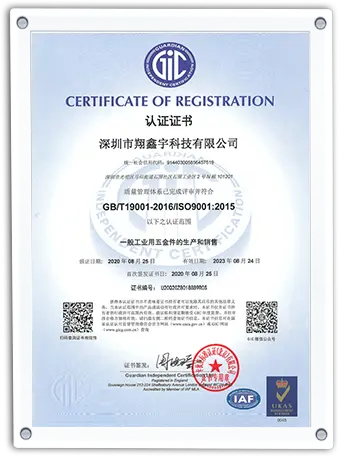
Common professional certificates related to CNC machining include:
Technical Standard Certification
Continuous evolution of subtractive processes to match the demands of Industry 4.0 paradigms.
The convergence of artificial intelligence and subtractive manufacturing is changing precision part design and lead times. At Shenzhen Xiang Xin Yu Technology, we are updating our facilities to support smarter digital integration:
Clear explanations regarding tolerancing, polymer stability, dynamic machining, and global delivery logistics.
Select from our extended manufacturing catalogue, featuring 5-axis capabilities and sub-micron engineering solutions.
 Xiang Xin Yu