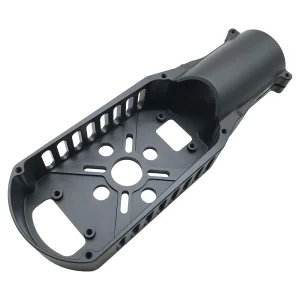
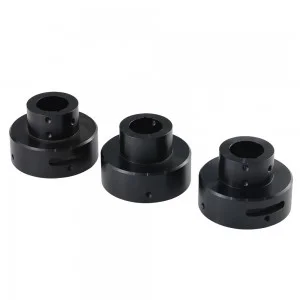
Custom Sheet Metal Rapid Prototyping Suppliers & Factories

Precision Prototyping, Accelerated DFM Analysis, and High-Fidelity Engineering Direct from ISO 9001:2015 China Manufacturing Centers

Direct Sheet Metal Rapid Prototyping: The Engine of Modern GTM

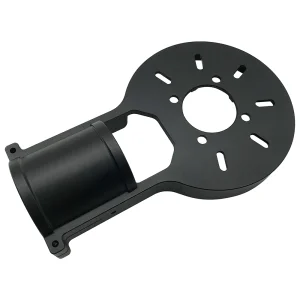
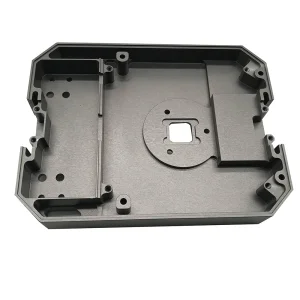
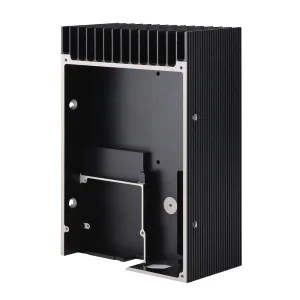
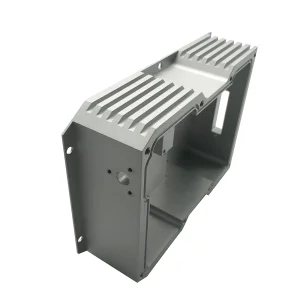
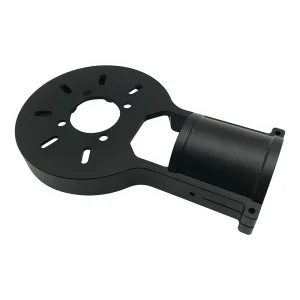
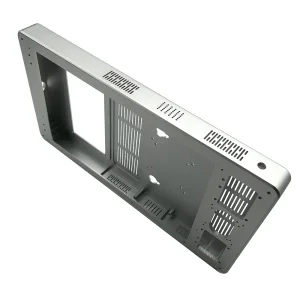
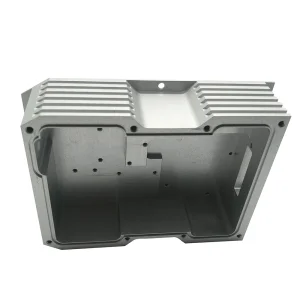
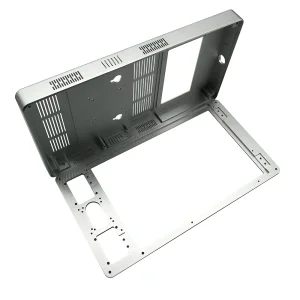
In the fast-evolving landscape of global hardware development, physical validation remains an irreplaceable phase. Custom sheet metal rapid prototyping acts as the vital bridge between digital computer-aided design (CAD) and industrial-scale production. Modern engineering demands not just quick execution, but component fidelity that replicates the structural strength, electrical shielding, and thermal dynamics of mass-manufactured parts. Whether dealing with complex rack-mount enclosures for telecom networks, structural brackets for new energy vehicles (NEVs), or micro-shielding cans for consumer electronics, choice of supplier directly governs time-to-market.

Information Gain: DFM Realities vs. CAD Ideals

Many rapid prototyping shops treat CAD models as absolute commands, producing parts that are geometrically accurate but impossible to scale cost-effectively. True industry leaders provide Design for Manufacturability (DFM) analysis upfront. They evaluate sheet metal bends, kerf clearances, stress points, and stamping suitability. By recognizing potential crack lines at bend reliefs or suggesting slight modifications to hole-to-edge clearances early, engineering teams save thousands of dollars and weeks of delay when transition from prototype to high-volume production begins.
  • Zero-tooling lead time: Leverages laser cutting, turret punches, and CNC press brakes to avoid expensive hard-tooling setup.
  • High isotropic strength: Cold-rolled and hot-rolled metals offer superior mechanical properties compared to 3D-printed plastics.
  • Broad material choice: Seamless processing of Aluminum (5052, 6061), Stainless Steel (304, 316), SECC/SGCC, Copper, and Brass.
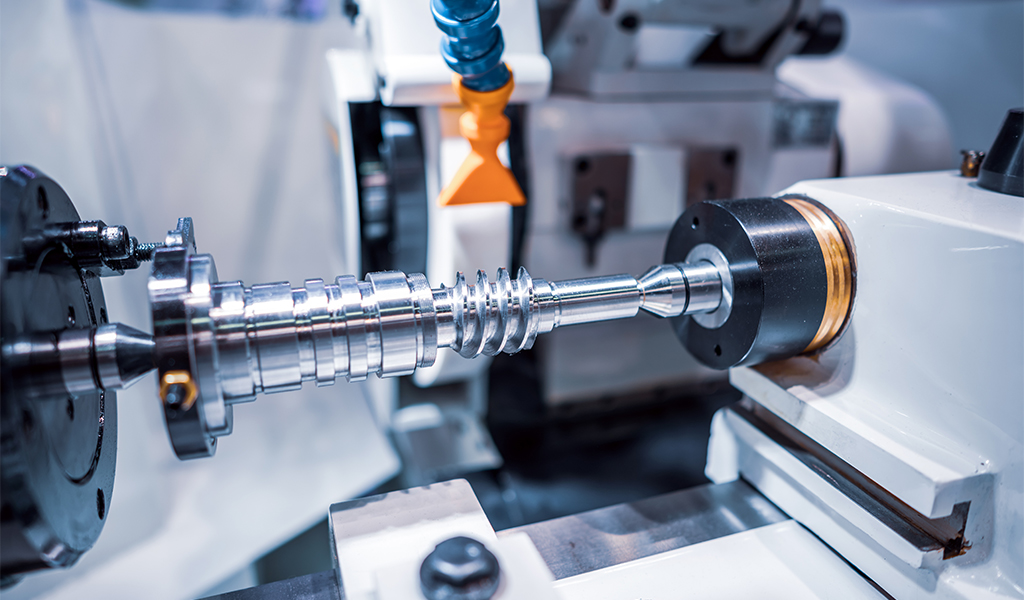
Precision CNC Machining Shop Floor
±0.05mm
Precision Tolerance
3-5 Days
Rapid Lead Time
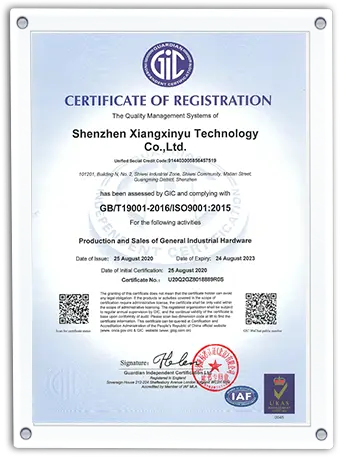
ISO 9001
Certified Quality
100%
RoHS Compliant Materials

About Shenzhen Xiang Xin Yu Technology Co., Ltd.

Shenzhen Xiang Xin Yu Technology Co., Ltd. is an enterprise specializing in high-precision CNC machining and custom sheet metal rapid prototyping, backed by many years of industry experience and outstanding technical strength. We are equipped with advanced CNC machine tools, high-speed milling machines, multi-axis machining centers, and sophisticated forming equipment capable of meeting the processing requirements of various complex and precise components.

From key structural components in the aerospace field to high-tolerance parts in the automotive industry, and from fine medical equipment components to microstructural parts in consumer electronics, we provide customers with high-quality products characterized by exquisite craftsmanship and strict quality control.

Our core mission centers on technological innovation and talent cultivation. With an experienced, highly skilled professional team, we continuously explore new processing methodologies to improve production efficiency and product quality. By staying customer-centric, we deeply understand the specific project requirements of engineering design houses and multinational OEMs, providing optimized custom solutions from quick-turn prototype phases to scaling mass production.

In terms of quality control, we have established a perfect quality management system, strictly managing everything from raw material verification to process monitoring and final inspection. This ensures that every shipped batch conforms to corresponding international industry standards and precise customer specifications. Looking to the future, we will continue to uphold professionalism, innovation, quality, and service, cementing our role as a leading enterprise in the international precision machining and fabrication space.

Why Sourcing from Chinese Sheet Metal Factories Delivers Strategic Value

Deciding where to source custom sheet metal prototypes goes beyond basic unit cost. The choice involves evaluating ecosystem speed, supply chain density, and technical mastery. Chinese direct factories, particularly in manufacturing hubs like Shenzhen, offer structural advantages that local Western shops struggle to match.

1. Hyper-Integrated Supply Chain Ecosystem

Within a 50-kilometer radius of Shenzhen, factories access raw metal mills, specialized surface treatment plants (anodizing, powder coating, electroplating, chemical passivation), and standard hardware suppliers (PEM fasteners, inserts, rivets). This proximity eliminates transportation lag, compressing a multi-stage production sequence that might take weeks elsewhere into a matter of days.

2. Advanced CNC & Forming Infrastructure

Modern Chinese manufacturing facilities are not low-tech assembly lines. They house state-of-the-art machinery, including high-power fiber laser cutters (IPG laser sources), multi-axis CNC turret presses, high-tonnage precision press brakes with automated bend compensation, and robotic laser welding stations. This capital investment allows for unparalleled repeat accuracy and high-speed execution.

3. Dynamic Engineering Bandwidth

Prototyping involves constant design updates. Chinese factories maintain dedicated engineering departments fluent in global CAD standards (STEP, IGES, DXF). These engineers perform real-time structural analysis and DFM validation, adapting designs for easy transition to soft tooling or hard stamping dies when the client is ready for scale.
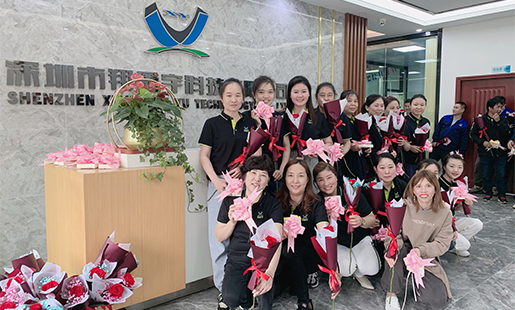
Our Corporate Culture: Values Driving Engineering Precision

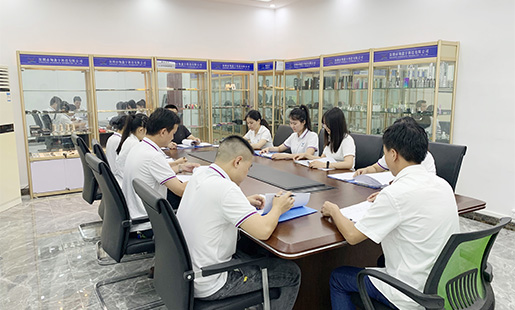
At Shenzhen Xiang Xin Yu Technology Co., Ltd., our culture is built on foundational core values that ensure project success, open communication, and high-fidelity output for clients worldwide.
Innovation

Innovation

We encourage employees to continuously explore new processing methods and technologies to improve production efficiency and product quality, meeting the dynamic needs of customers.
Excellence

Excellence

We pursue excellent quality, strictly control every processing link, and strive for zero defects to provide customers with the best possible products.

Cooperation

Cooperation

Team members support and collaborate with each other, jointly overcoming technical challenges, sharing experiences, and forming a cohesive whole.

Integrity

Integrity

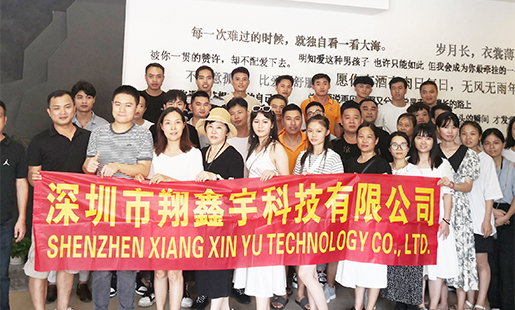
We build honest relationships with customers and suppliers, keep our promises, and treat every business transaction with honesty and fairness.
Responsibility

Responsibility

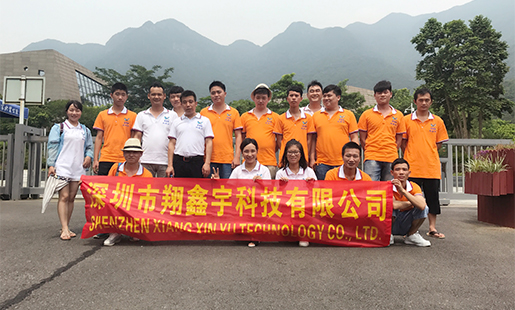
We recognize that every product relates to the safety and success of our customers. We maintain a high sense of responsibility and approach every job seriously.
Respect

Respect

We respect the personality and ideas of each employee, providing growth paths, and deeply respect the unique needs and feedback of our customers.

Engineering Specifications for Custom Sheet Metal Prototypes

To assist design engineers in configuring their CAD models, the following parameters define standard and high-precision tolerances available through our direct manufacturing lines:
Fabrication Process Standard Materials Thickness Range Achievable Tolerance Key Applications
Laser Cutting (Fiber) Aluminum, Stainless Steel, Carbon Steel, Copper 0.5mm - 25mm ± 0.05mm - ± 0.1mm Chassis flat patterns, complex brackets, shim plates
CNC Turret Punching Cold Rolled Steel, SECC, Aluminum 0.5mm - 3.0mm ± 0.1mm Ventilation grilles, high-density pattern cutouts, louvers
Press Brake Forming All ductile sheet metals 0.5mm - 8.0mm ± 0.15mm (Bends), ± 0.3° (Angles) U-shapes, enclosures, structural frames, custom channels
Hardware Insertion PEM Clinch Studs, Nuts, Standouts Thread sizes M2 to M10 ± 0.15mm placement PCB mounting, threaded structural joints, grounding studs
Laser / TIG Welding Stainless Steel, Aluminum, Mild Steel 0.8mm - 6.0mm ± 0.25mm post-weld distortion NEMA enclosures, liquid-tight tanks, reinforced brackets

Critical Guide to Surface Finishing for Custom Sheet Metal

A raw sheet metal prototype is rarely complete without secondary finishing. Our facility provides integrated post-processing:

  • Powder Coating: Provides superior corrosion protection and aesthetic choices (matte, textured, gloss) with custom RAL matching.
  • Anodizing (Type II & III): Crucial for aluminum parts, creating a wear-resistant oxide layer and options for colored surfaces.
  • Plating (Zinc, Nickel, Tin): Provides excellent electrical conductivity (tin/nickel) or cost-effective rust prevention (zinc).
  • Passivation & Alodine (Chem Film): Ideal for preserving conductive paths on aluminum enclosures while protecting from environmental oxidation.

Professional Certifications & Quality Assurance

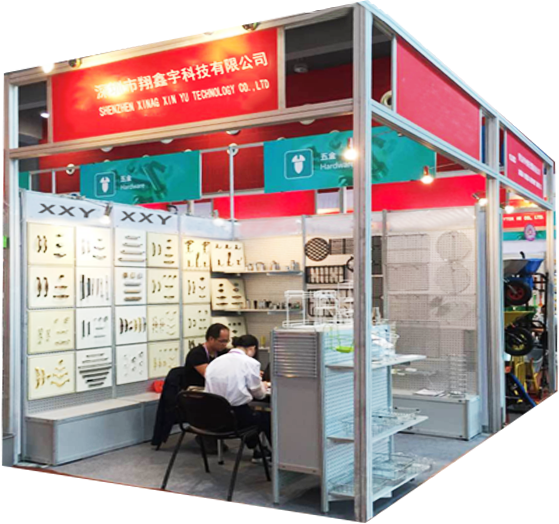
In a professional CNC machining and sheet metal fabrication company, certificates are vital criteria for measuring technical capability and manufacturing standards. These standards represent individual skill levels and organizational quality assurance, enhancing market competitiveness.

Common Professional Certifications in Our Facilities:
  • CNC Lathe Operator Certificate: Proves employee capability in operating precise CNC lathe machinery.
  • CNC Milling Machine Operator Certificate: Reflects skill levels in complex CNC milling.
  • Machining Center Operator Certificate: Demonstrates proficiency in multi-axis machining centers.
  • CAD/CAM Software Certificates: MasterCAM, UG (Unigraphics), SolidWorks, indicating robust design-to-production capability.
  • Quality Control-related Certificates: ISO 9001 Quality Management System Internal Auditor Certificate, ensuring each batch meets rigorous standards.
CNC Machining Professional Certification Badge

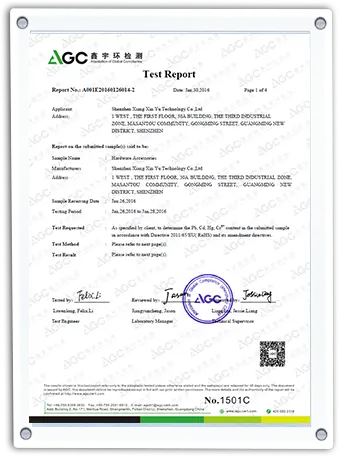
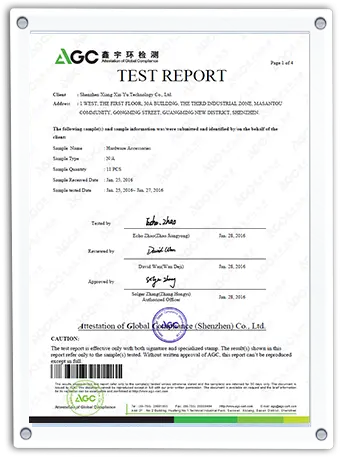
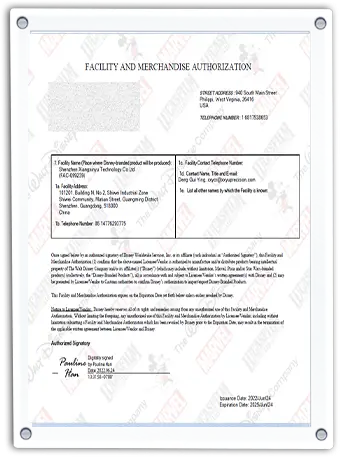
ROHS Compliant Report & ISO Certificates

Direct factory validation and third-party certified testing documents.
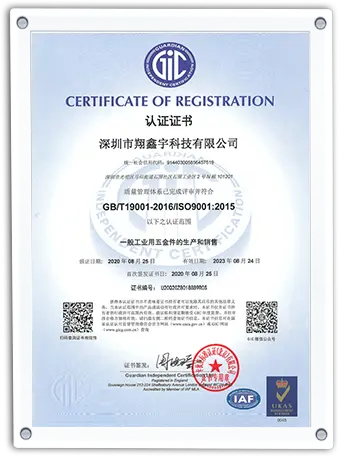
ISO Certification Page 1
ISO Certification Page 2
ROHS Compliant Document 1
ROHS Compliant Document 2
Quality Standard Report

Global Enterprise Procurement Challenges & Solutions

Procuring custom sheet metal prototypes internationally presents complex challenges for supply chain managers. Here is how our operations solve the three most critical friction points:

⚠️ Dimensional Integrity

The Problem: Received prototypes have incorrect bend radii, resulting in dimensional assembly issues during mechanical integration.
Our Solution: We practice absolute dimensional fidelity. Full laser scanning inspection, coordinate measuring machine (CMM) testing, and physical fit checkups ensure tolerances conform to client CAD files.

⚠️ Material Traceability

The Problem: Suppliers substituting specified materials with cheaper, low-grade alloys, causing structural failures under thermal loads.
Our Solution: We provide full Material Test Reports (MTR) and RoHS certificates for every batch, verifying mill chemical compositions and material integrity.

⚠️ Hidden Lead-Time Delays

The Problem: Prototypes delayed at surface finishers or subcontractor partners, disrupting project development timelines.
Our Solution: We maintain in-house forming, assembly, and direct logistics management, ensuring transparent milestone tracking and prompt dispatch.
Frequently Asked Questions: Sheet Metal Rapid Prototyping

Get authoritative answers on design rules, production capabilities, international logistics, and tooling requirements.
What is the difference between rapid prototyping and production tooling in sheet metal?
Rapid prototyping relies on flexible, software-programmable CNC machines (laser cutters, turret punches, and press brakes) that shape sheet metal without dedicated custom tooling. This keeps setup costs low and lead times around 3-5 days. Production tooling, on the other hand, utilizes custom-engineered stamping dies. While stamping dies require significant upfront investment and weeks of design, they reduce per-unit cycle times and costs for production runs exceeding thousands of parts.
Which materials are best suited for high-strength sheet metal parts?
For structural parts requiring high strength-to-weight ratios, Aluminum 5052-H32 or 6061-T6 are popular choices, though 5052 is easier to bend without cracking. For harsh environmental conditions, Stainless Steel 304 or 316 provides excellent corrosion resistance along with high yield strength. For general bracket designs and cost-effective enclosures, Cold Rolled Steel (CRS) or Galvanized/Electro-galvanized Steels (SECC/SGCC) offer reliable mechanical properties.
How does bend radius design affect sheet metal fabrication cost?
Every material and thickness has a specific minimum bend radius to prevent cracking and strain hardening. If a CAD design specifies multiple non-standard bend radii, the operator must perform multiple machine setups or tool changes. Designing parts with a uniform bend radius that matches standard tooling parameters helps lower production costs and speed up delivery.
How does your factory ensure compliance with RoHS and environmental regulations?
We source raw materials exclusively from certified mills that provide mill sheets and chemical analysis documents. Every step of our finishing process—such as clear passivation, trivalent zinc plating, or anodizing—conforms to European RoHS and REACH specifications. Regular internal audits and third-party testing are conducted to ensure trace elements remain within regulatory limits.
Can you accommodate low-volume orders down to a single prototype?
Yes, our rapid prototyping lines are optimized for high-mix, low-volume production. Whether you need a single proof-of-concept prototype, a pre-production batch of 50 units for testing, or a bridge-to-production run of 1,000 components, our CNC workflow supports flexible scaling without tooling penalties.