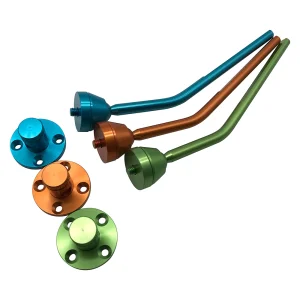
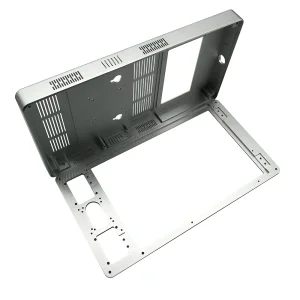
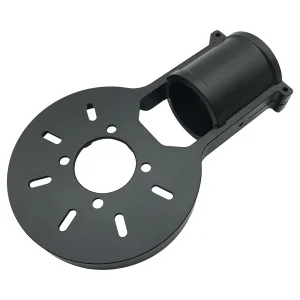
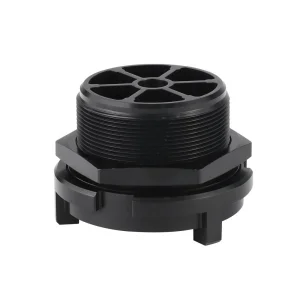
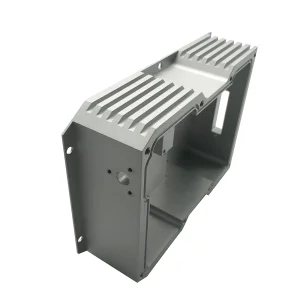
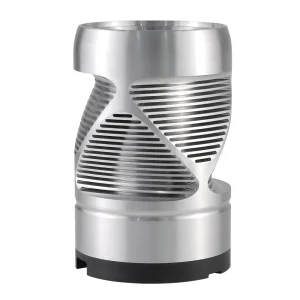
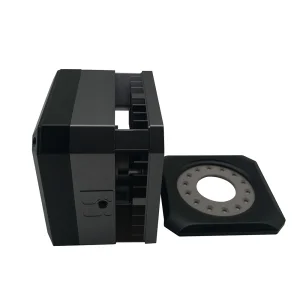
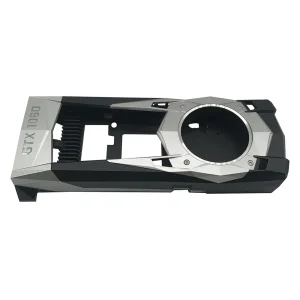
Explore our leading custom engineering solutions, optimized for dimensional stability, aerospace integrity, and medical biocompatibility.
An in-depth analysis of metallurgical challenges, process optimization, and value-engineering for global industrial buyers.
CNC turning of stainless steel represents one of the most challenging segments within high-precision subtractive manufacturing. Unlike soft alloys or standard carbon steels, stainless steel grades (such as austenitic 304/316, martensitic 410/440, and precipitation-hardening 17-4 PH) display exceptional toughness, work-hardening rates, and low thermal conductivity. When turning these materials, excessive heat concentrates at the cutting edge rather than dissipating through the chips. This thermal pressure accelerates tool wear and can cause catastrophic tool failure if cutting parameters are not meticulously managed.
In high-precision manufacturing, "discount" or "cost-effective" processing does not imply a compromise in quality. Instead, it refers to structural engineering optimizations. By utilizing advanced multi-spindle turn-mill centers, automated bar feeders, and optimized tool-path algorithms, manufacturers reduce cycle times and waste. The integration of high-speed machining (HSM) pathways allows for higher material removal rates (MRR) while minimizing tool replacement costs. Consequently, global buyers secure high-precision turning parts at optimized unit prices, driven by manufacturing efficiency rather than degraded raw materials or loose tolerances.
How modern enterprises overcome supply chain vulnerabilities by selecting qualified manufacturing partners.
Components such as hydraulic valves, fuel system connectors, and critical structural fasteners require absolute geometric stability under fluctuating thermal profiles. Aerospace-grade stainless steel turning involves tight tolerances (down to ±0.005 mm) and mandatory material traceability certificates (MTRs).
Surgical instruments, orthopedic implants, and diagnostic equipment depend heavily on AISI 316L and 316LVM stainless steel. The turning process must yield a ultra-smooth surface finish (Ra < 0.4 μm) to facilitate sterilization and prevent bacterial adhesion, supported by citric or nitric passivation protocols.
With the rise of electric vehicles (EVs), the demand for high-integrity stainless steel components has surged. Sensor housings, injection nozzles, and battery cooling connections require high-volume consistency. Automated sub-spindle turning centers allow for simultaneous front and back processing, lowering cost-per-part.
A deep dive into tool selection, chip control, and surface finishing technologies used in modern workshops.
Uncoated carbide inserts deteriorate quickly when turning stainless steel. Modern manufacturers utilize CVD (Chemical Vapor Deposition) and PVD (Physical Vapor Deposition) coatings. Titanium Aluminum Nitride (TiAlN) and Aluminum Chromium Nitride (AlCrN) coatings form a protective oxide barrier at elevated cutting temperatures, preventing thermal cracking and adhesive wear (BUE - Built-Up Edge).
Stainless steel's ductility leads to long, stringy chips that can wrap around the workpiece or tool holder, risking operator safety and damaging surface finishes. By employing custom-engineered chip breakers on turning inserts, the material is forced to bend and fracture into small, manageable "C" or "6" shaped chips. This is especially vital in unattended CNC Swiss-type turning environments.
Traditional flood cooling often fails to reach the cutting zone interface because of steam barriers. Utilizing high-pressure coolant (up to 70 bar or 1000 psi) directly targeted at the cutting edge breaks the thermal blanket, flushes chips immediately, and significantly extends tool life while permitting higher surface speeds.
A professional CNC machining enterprise specializing in complex components and high-precision quality control.
Shenzhen Xiang Xin Yu Technology Co., Ltd. is an enterprise specializing in CNC machining, with many years of industry experience and outstanding technical strength. We are equipped with advanced CNC machine tools and equipment, which can meet the processing requirements of various complex and precise parts. From key components in the aerospace field to high-precision parts in the automotive industry, from fine components in medical equipment to micro-structural parts in the electronics industry, we can provide customers with high-quality products with exquisite craftsmanship and strict quality control.
The company focuses on technological innovation and talent cultivation, and has an experienced and highly skilled professional team. They constantly explore and research new processing techniques and methods to improve production efficiency and product quality.
We always adhere to the customer-centered approach, deeply understand customer needs, and provide customers with customized solutions and all-round service support. From order receipt to product delivery, every link is strictly controlled to ensure the timely delivery of high-quality products.
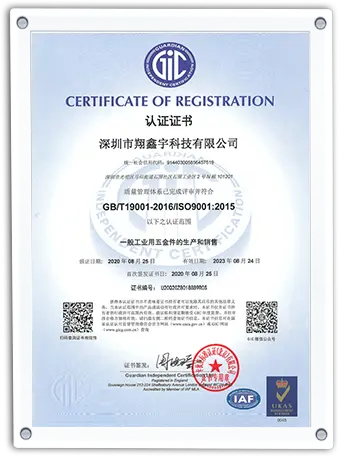
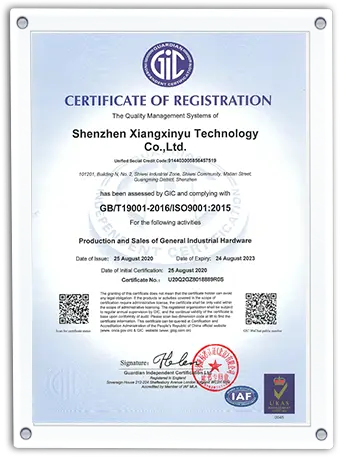
In terms of quality control, we have established a perfect quality management system and strictly manage the purchase of raw materials, production process monitoring and finished product inspection to ensure that each product meets industry standards and customer requirements. In the future, we will continue to uphold the concepts of professionalism, innovation, quality and service, constantly enhance our own strength, provide customers with better CNC machining services, and become a leading enterprise in the industry.
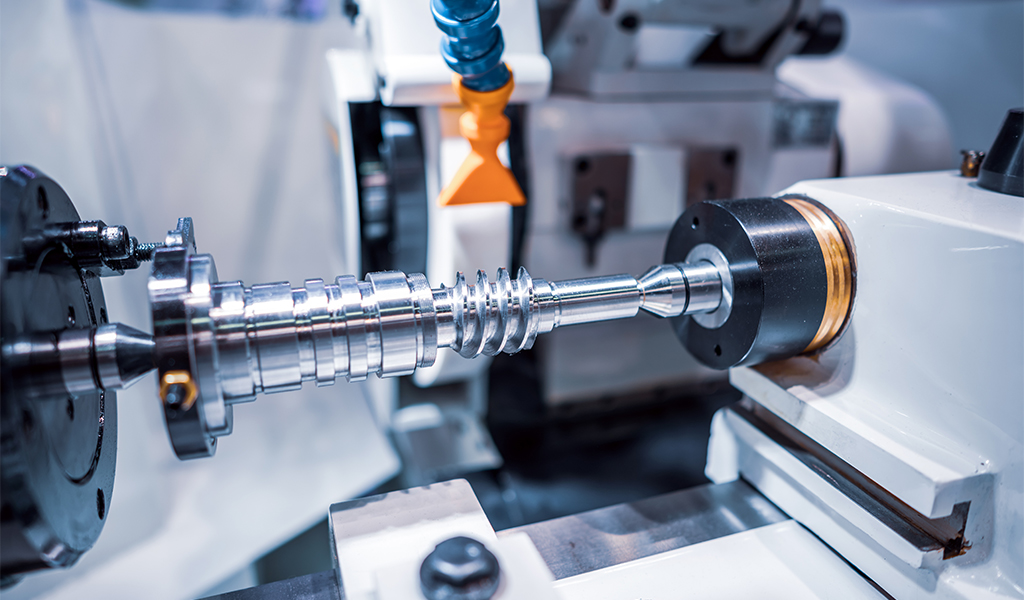
The foundation of our commitment to quality, integrity, and progressive manufacturing solutions.
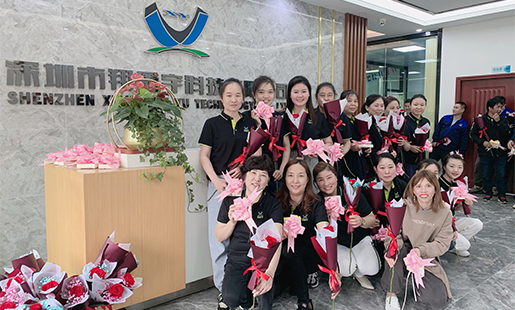
We encourage employees to continuously explore new processing methods and technologies to improve production efficiency and product quality and meet the changing needs of customers.
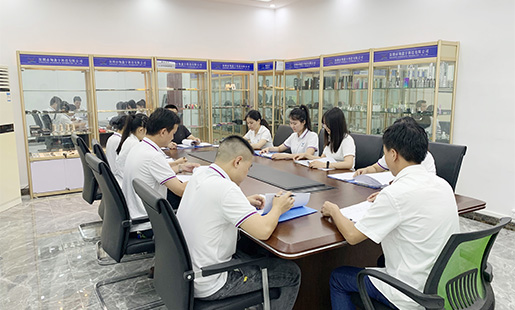
We pursue excellent quality, strictly control every processing link, and strive for zero defects to provide customers with the best products.
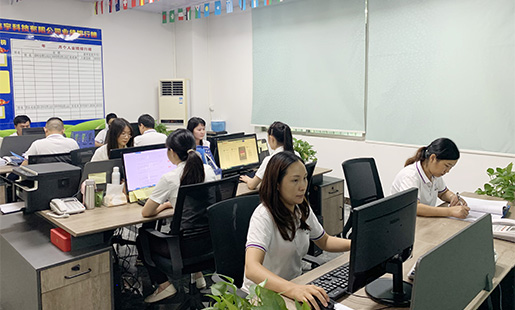
Team members support and collaborate with each other, jointly overcome difficulties, share experiences and knowledge, and form a strong whole.

Establish honest and cooperative relationships with customers and suppliers, keep promises, and treat every business with honesty and fairness.
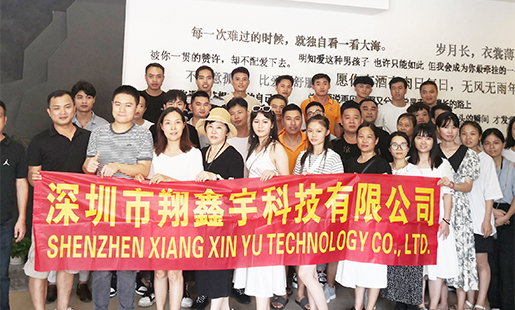
We are well aware that every product is related to the interests and safety of customers. Therefore, we always maintain a high sense of responsibility and take every job seriously.
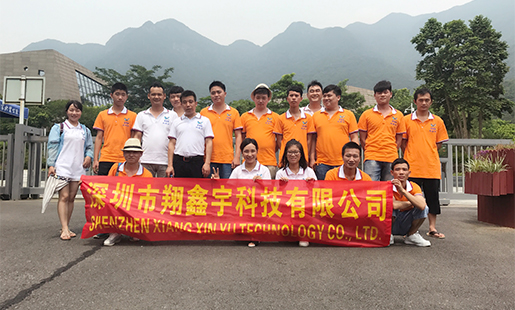
Respect the personality and ideas of each employee, provide a good development space for employees, and also respect the needs and opinions of customers.
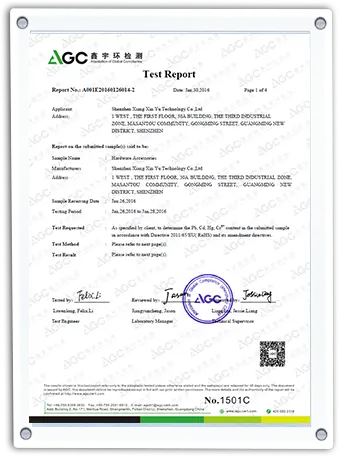
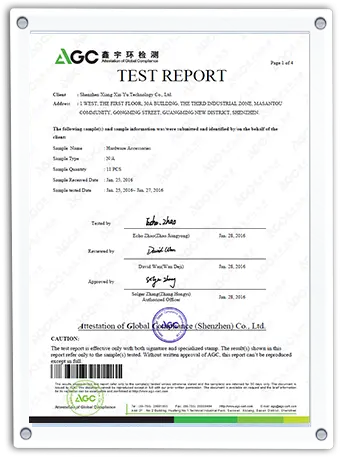
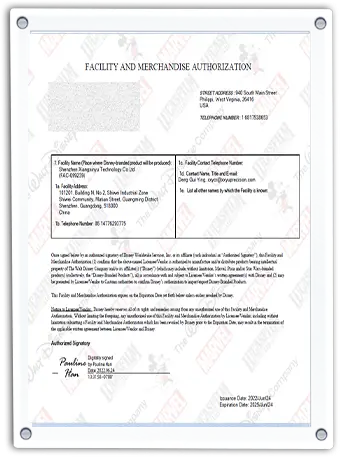
In a CNC machining company, professional certificates are important criteria for measuring the technical strength of the company and the professional quality of employees.
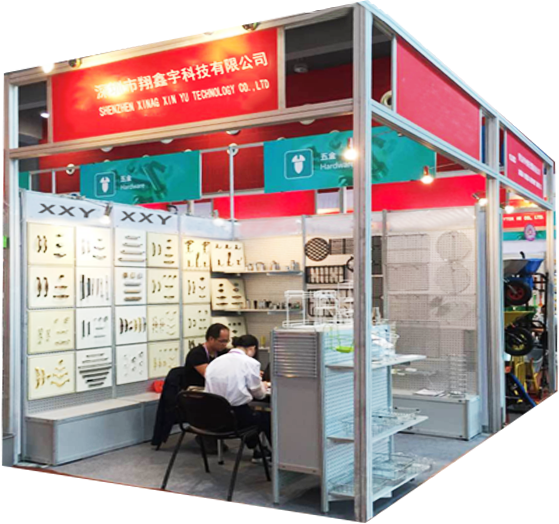
Direct Chinese factory assurance for silicone oils, MM, organosilicone materials, and high-precision CNC structural parts.
Critical procurement intelligence for global sourcing directors, project managers, and lead design engineers.
Additional engineering solutions and advanced multi-axis machining facilities from our global manufacturing center.
 Xiang Xin Yu