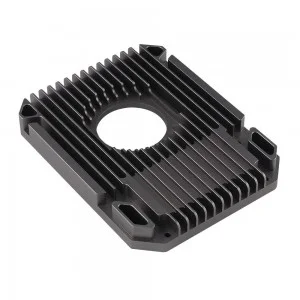
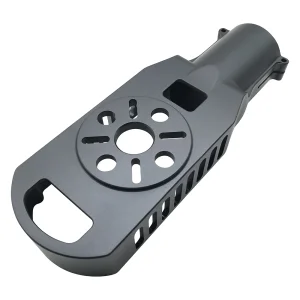
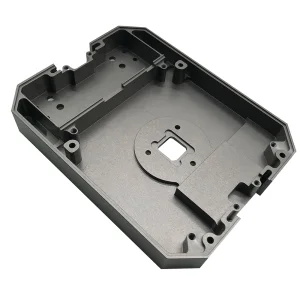
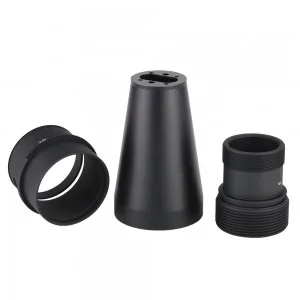
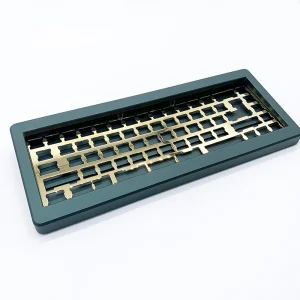
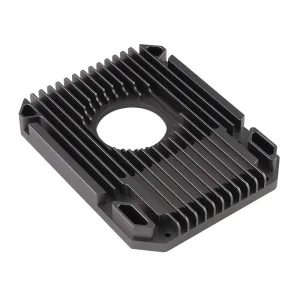
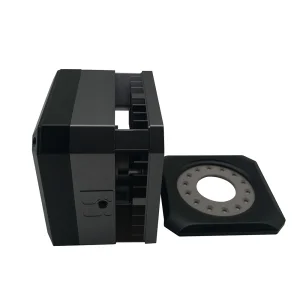
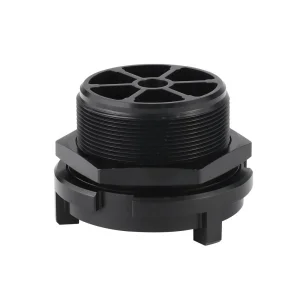
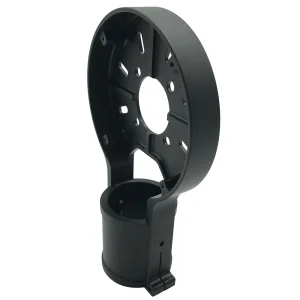
Explore our highly-acclaimed custom machining capabilities, prototype configurations, and advanced components optimized for cost-efficiency.
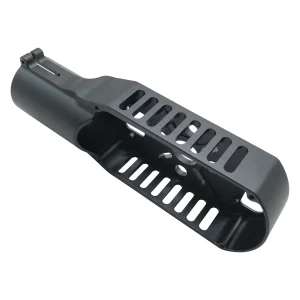
In modern manufacturing, global procurement leads and supply-chain officers face a persistent paradox: how to secure micron-level accuracy while keeping overall production costs sustainable. Often, the term "discount" in high-precision CNC manufacturing is misunderstood as a compromise on quality. True industrial optimization, however, achieves cost-effectiveness not by reducing precision, but by optimizing design-for-manufacturability (DFM), utilizing multi-axis spindle arrays, implementing digital twin simulations, and integrating direct-from-factory logistics.
This whitepaper addresses how modern precision engineering solves these challenges. Leveraging the advanced footprint of Shenzhen Xiang Xin Yu Technology Co., Ltd., we look at how specialized infrastructure drives down scrap rates, optimizes tooling paths, and yields competitive advantages for partners globally.
Standard Achievable Tolerance across Complex Geometry
Average Cost Reduction via Multi-Axis Setup Optimization
Fully Certified Quality Control Management Systems
RoHS Compliant Raw Material & Process Traceability
Across aerospace, medical devices, automotive systems, and advanced optoelectronics, the demand for tight-tolerance machined parts is accelerating. As global supply chains diversify, working with an agile, high-precision manufacturer who understands localized regulatory requirements and cost structures is key to maintaining market share.
Shenzhen Xiang Xin Yu Technology Co., Ltd. is a specialized enterprise in precision CNC machining, backed by years of industry experience and deep technical capabilities. We operate advanced CNC machine tools and inspection equipment designed to meet the processing requirements of complex and precise components.
Our portfolio spans key aerospace assemblies, high-tolerance automotive systems, biocompatible medical equipment components, and micro-structures for the electronics sector. We deliver parts backed by strict quality controls and tailored engineering workflows.
By focusing on engineering innovation, we maintain a highly skilled technical team that continuously refines tooling programs and manufacturing processes. We emphasize customized service, supporting projects from design review and rapid prototyping through to serial production and final delivery.
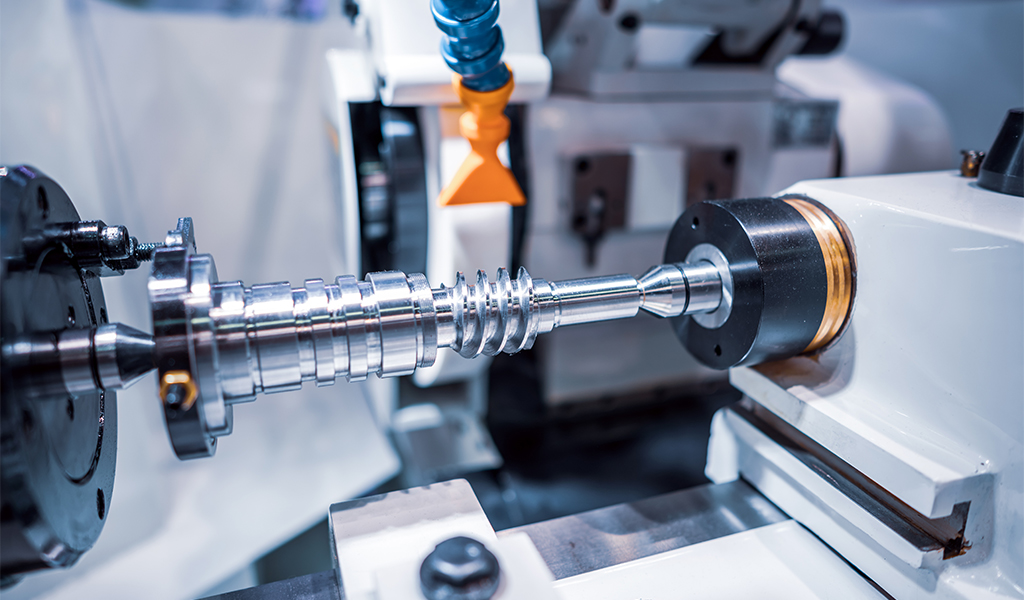
Precision is not merely a technical specification; it is an organizational mindset. Our operational culture guides our daily work and customer partnerships.
We encourage teams to evaluate new processing methods and modern tools to improve manufacturing efficiency and overall product consistency.
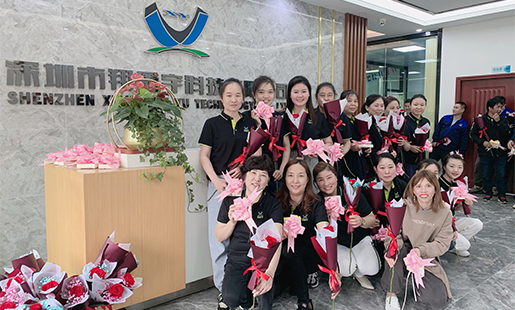
We target low-defect tolerances, managing every stage of production to deliver parts matching our customers' exact specifications.
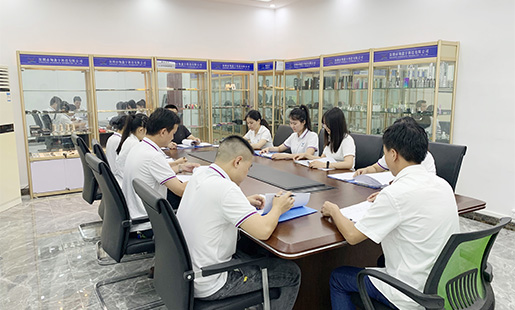
Our teams collaborate across departments and work closely with client engineering teams to resolve design and production challenges.

We work to build long-term relationships with clients and suppliers based on transparent quotes, realistic lead times, and open communication.

We recognize the critical role each component plays in final assemblies, implementing quality checks to support customer project requirements.
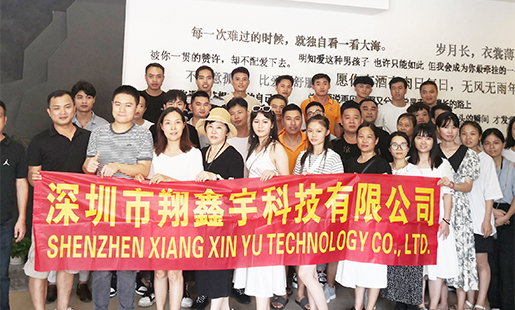
We value internal team input and align our services to match the specific needs and project goals of our external partners.
International buyers often navigate complex supply chain variables when sourcing CNC parts. Key challenges include lead-time fluctuations, tariff and customs management, material traceability, and cross-border engineering communication. Addressing these challenges requires systematic solutions.
The most effective cost savings occur during the design phase. Minor adjustments to draft angles, pocket depths, internal radiuses, and wall thicknesses can significantly reduce machining complexity. Our engineering team conducts DFM reviews on incoming orders, helping to identify design adjustments that save machine time and minimize material waste.
Fluctuating prices for raw metals and polymers can impact production costs. We maintain partnerships with verified material mills to secure stable material costs. Whether sourcing titanium, stainless steel, aerospace-grade aluminum, or biocompatible polymers like PEEK, we provide mill certs and material traceability for quality assurance.
Traditional 3-axis setups require manual part rotations, which increases setup times and introduces potential alignment errors. By utilizing 4-axis and 5-axis CNC machining, we complete multiple features in a single setup. This approach improves geometric alignment, shortens production times, and helps control unit costs for complex shapes.
The manufacturing sector is increasingly integrating software, simulation tools, and automated machining processes to improve precision and control costs.
Before cutting raw stock, we simulate toolpaths using digital twin models of our CNC systems. This pre-run verification helps check for clearance, prevents tool damage, and optimizes feed rates. For multi-axis machining projects, digital twin simulations improve cycle times and reduce the risks associated with complex setups.
We combine CNC machining with additive manufacturing to support modern design requirements. 3D metal printing handles complex internal channels, while post-processing CNC milling ensures functional surfaces meet tight tolerance requirements. This hybrid approach helps reduce lead times for custom prototypes.
As components shrink in size, particularly in medical electronics and opto-mechanical applications, precision requirements move into the sub-micron range. We utilize advanced coordinate measuring machines (CMM) and optical comparators to confirm key dimensions meet the specified drawings before shipment.
We maintain a quality management system to support raw material tracking, in-process monitoring, and final inspection.
Our facility follows systematic quality protocols. We maintain tracking from raw material receipt through to final inspection report delivery. Our standard procedures align with critical industry requirements:
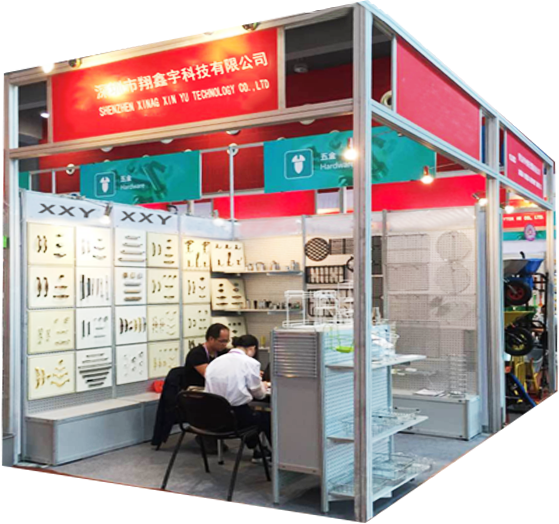
Certified processes and materials for direct factory supply
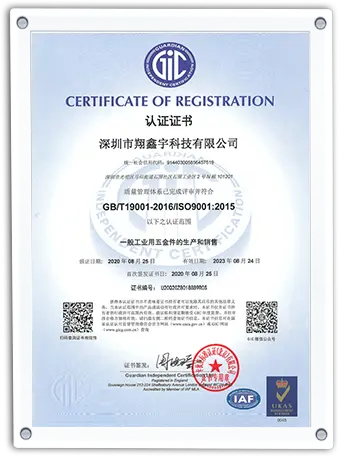
System Audit Report
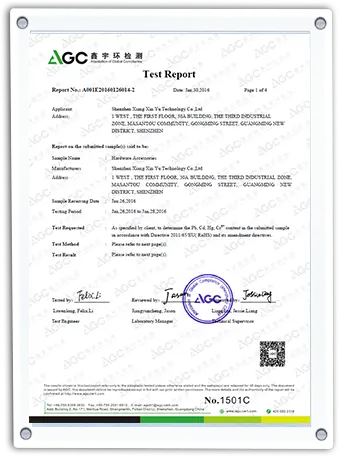
RoHS Conformity
ISO 9001:2015 Cert
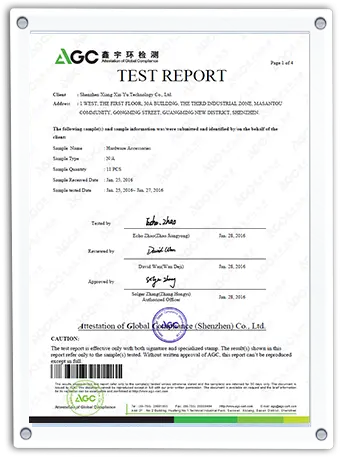
Chemical Analysis Report
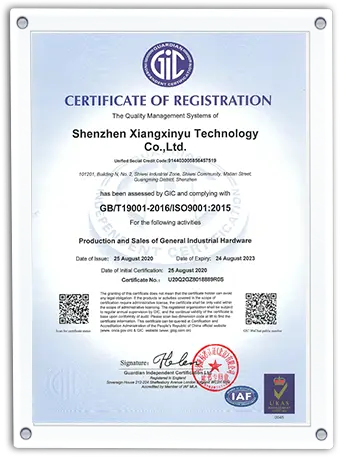
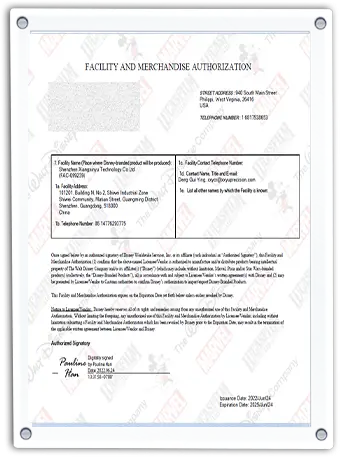
Material Testing Report
Find answers to common questions about sourcing custom CNC components, tolerances, materials, and international logistics.
Browse additional custom CNC machining, milling, and turn-key manufacturing components designed for complex assemblies.
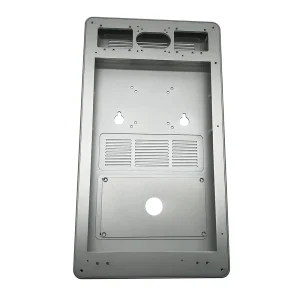
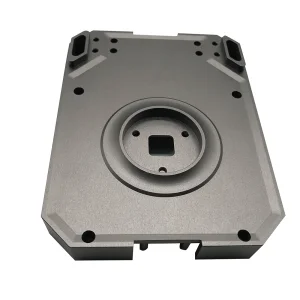
 Xiang Xin Yu