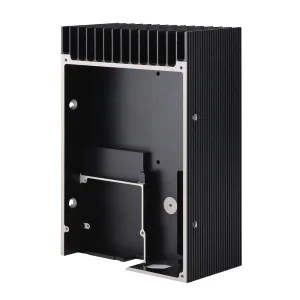
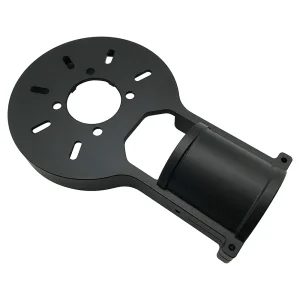
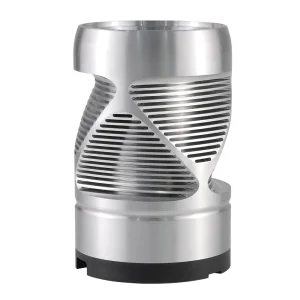
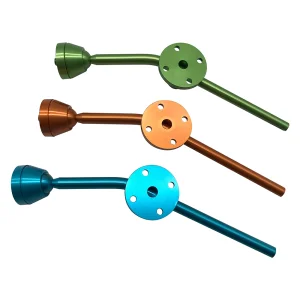
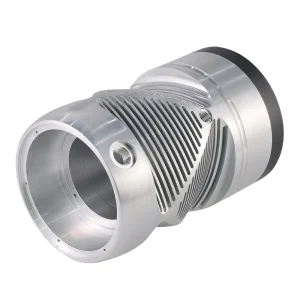
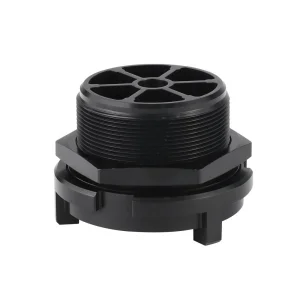
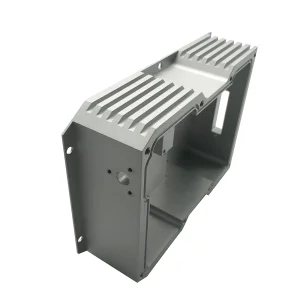
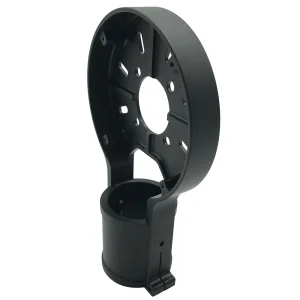
In the contemporary hardware development landscape, the capability to transition rapidly from digital computer-aided design (CAD) blueprints to tactile, production-grade components represents a fundamental competitive advantage. Quick-turn sheet metal fabrication serves as a vital bridge in this transition. By implementing highly automated digital manufacturing workflows, modern fabrication facilities can significantly reduce traditional tooling lead times from several weeks down to days or even hours.
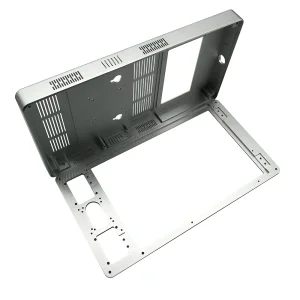
The core efficiency of quick-turn sheet metal relies heavily on eliminating custom hard tooling in favor of flexible, programmable CNC machinery. Technologies such as high-power fiber laser cutting, automated CNC press brakes, and structural punching cells form the operational foundation. These tools interpret digital geometries natively, enabling rapid prototyping runs that accurately mirror the mechanical characteristics of high-volume progressive die stampings.
Engineers must carefully navigate structural design principles to optimize these fast cycles. Designing for Manufacturability (DFM)—such as maintaining consistent bend radii, aligning holes away from bend deformation zones, and factoring in material anisotropic behavior—prevents production line bottlenecks. When executed correctly, quick-turn methodologies significantly compress iteration cycles, allowing companies to perform physical stress, thermal, and fitment testing in real-world environments before committing to major tooling investments.
Shenzhen Xiang Xin Yu Technology Co., Ltd. is a premier enterprise specializing in high-precision CNC machining and sheet metal fabrication, backed by many years of industry experience and outstanding technical expertise.
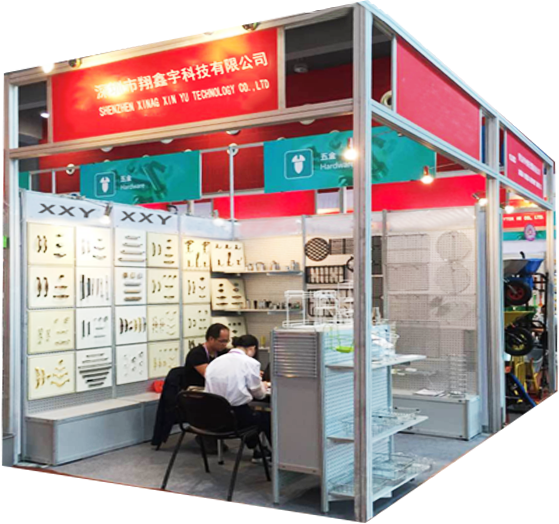
We are equipped with advanced CNC machine tools, high-speed fiber lasers, and precision press brakes, enabling us to satisfy the processing requirements of highly complex and tight-tolerance components. From critical components in aerospace systems to high-precision structural parts for the automotive sector, and from intricate medical equipment housings to micro-structural components for consumer electronics, we deliver exquisite craftsmanship and rigorous quality control.
Our organization focuses deeply on technological innovation and engineering talent. Our experienced team continuously researches novel processing methodologies, nesting algorithms, and tooling configurations to optimize production output and product quality.
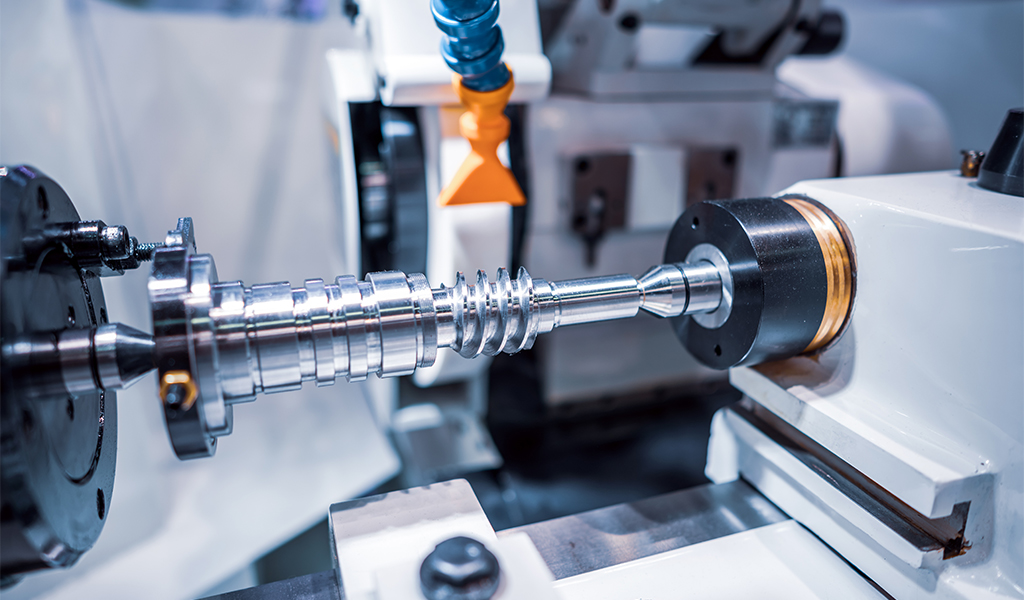
We are a professional CNC machining and fabrication organization built upon strict operational values, striving to ensure reliability, quality control, and safety in every single production run.
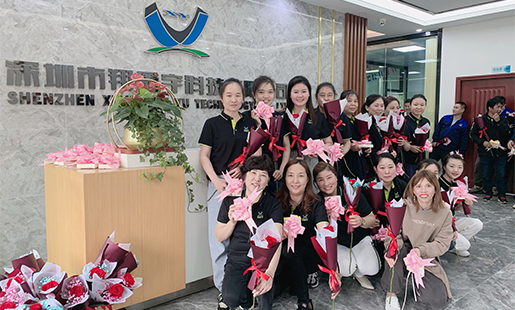
We encourage team members to continuously explore novel processing methods and manufacturing setups to drive production efficiency and meet changing technical needs.
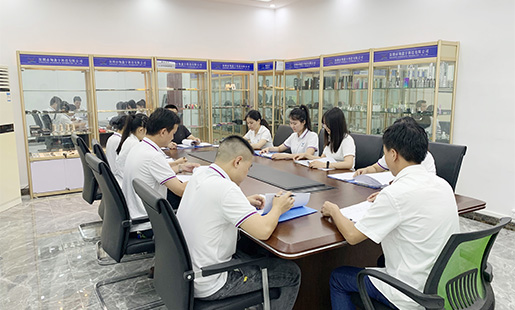
We pursue excellent quality, strictly control every processing link, and strive for zero defects to provide customers with the best finished products.

Our team collaborates cross-functionally, sharing manufacturing insights and domain knowledge to resolve complex design and scheduling challenges.

We build long-term relationships with global customers and material suppliers, keeping our quality promises and conducting business with absolute transparency.
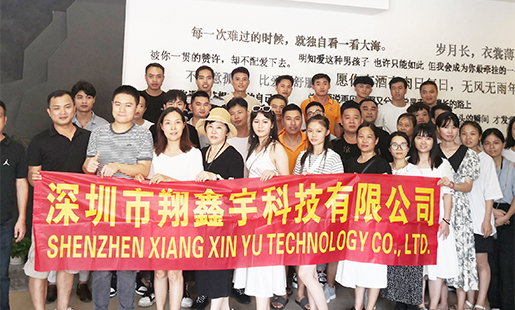
We understand that every component affects the safety and reliability of the final assembly. Therefore, we approach each project with a high sense of duty.
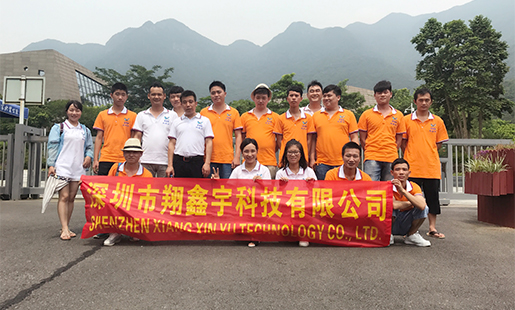
We respect the individuality and insights of our staff, providing paths for career growth, while actively valuing customer specifications and suggestions.
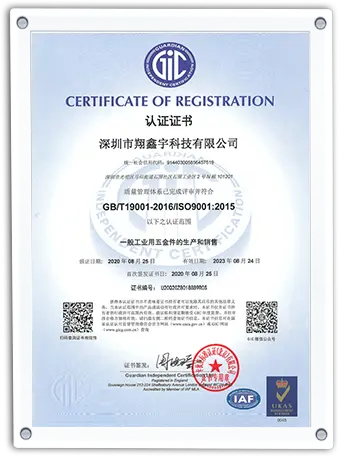
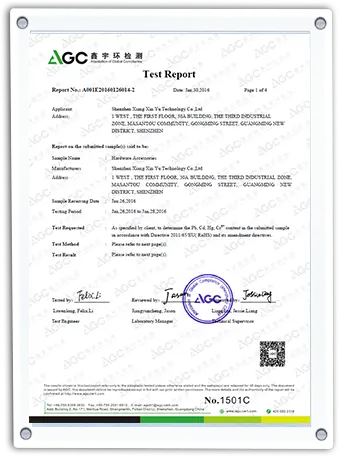
In high-tolerance manufacturing, professional credentials are crucial indicators of technical capability and organizational discipline. We align our workflows with the following standards:
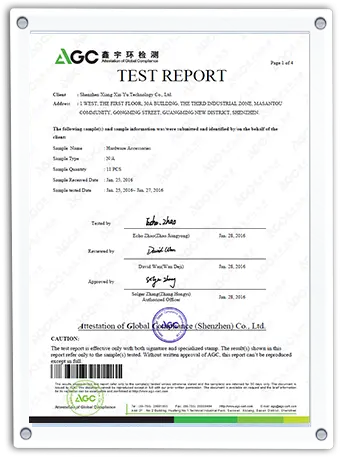
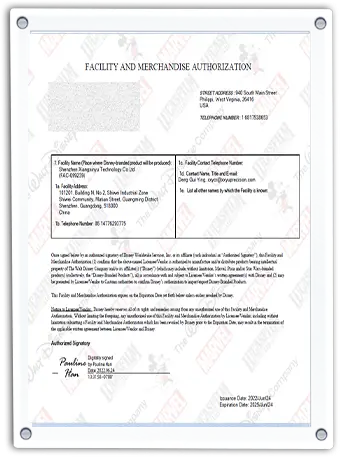
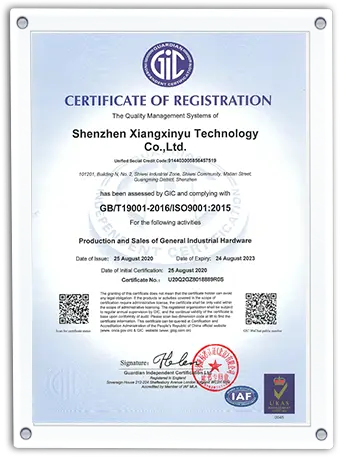
For multinational OEMs, quick-turn sheet metal avoids long production delays. Our digital ecosystem integrates directly with procurement platforms to simplify tracking and logistics.
Meeting aerospace requirements requires strict trace documentation and physical properties. We fabricate avionics chassis, structural brackets, and EMI-shielded enclosures using verified aircraft-grade alloys.
Medical hardware requires clean finishes and precise geometries. We construct custom laboratory racks, instrument enclosures, and hand-held device components that adhere to strict sanitary requirements.
For consumer tech prototyping, cosmetic finishes are essential. Our post-processing capabilities—including anodizing, fine bead blasting, and powder coating—provide aesthetic results.
The rapid fabrication sector is transitioning toward fully digital and integrated workflows. The next generation of sheet metal manufacturing will rely on artificial intelligence and automated systems to optimize the path from initial design upload to finished component. The key focus areas of this progression include:
By investing in these software and hardware systems, Shenzhen Xiang Xin Yu Technology Co., Ltd. continuously improves its manufacturing workflows. This focus on technology allows us to provide cost-effective, high-quality, and fast sheet metal solutions that meet the changing needs of the global engineering community.
 Xiang Xin Yu