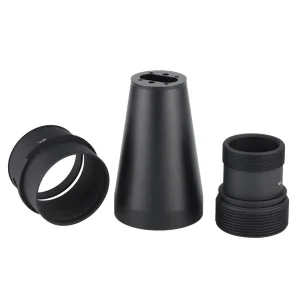
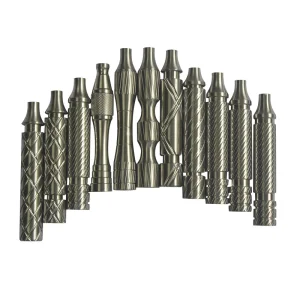
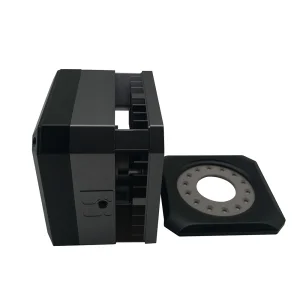
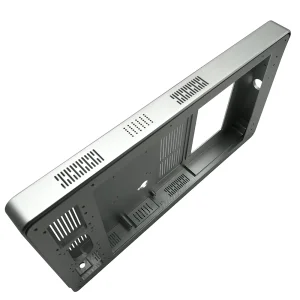
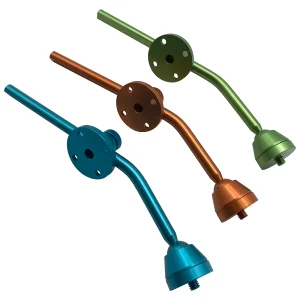
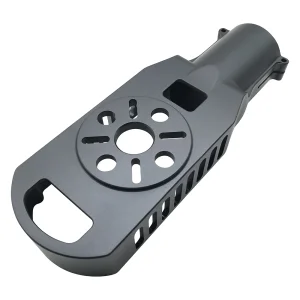
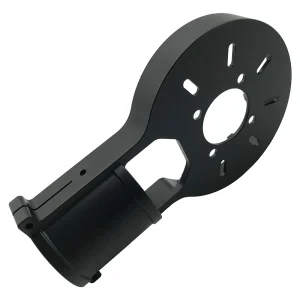
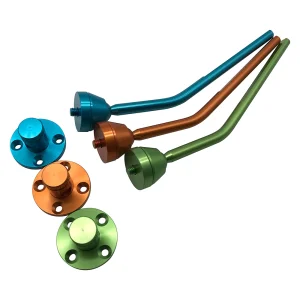
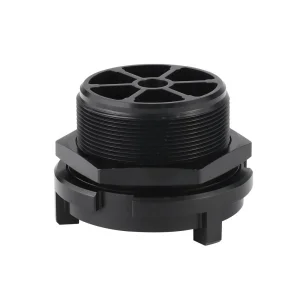
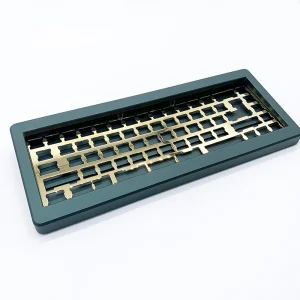
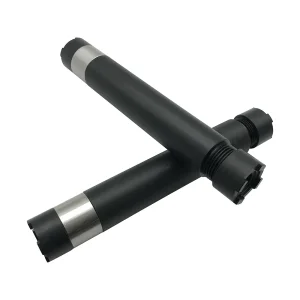
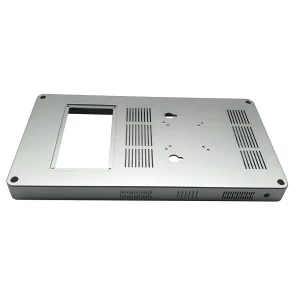
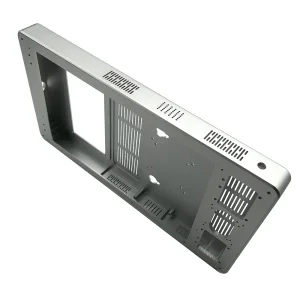
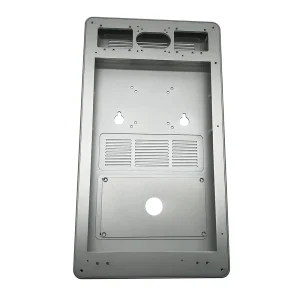
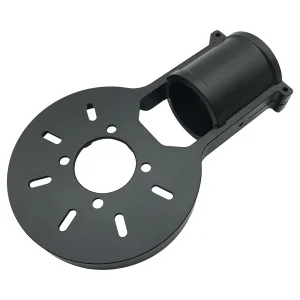
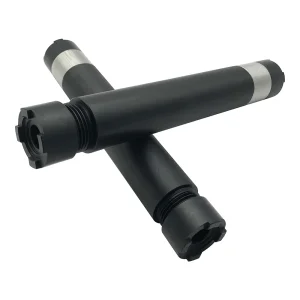
Explore our foundational range of CNC metal parts and specialized turning-milling capabilities designed for zero-tolerance applications.
Titanium and its advanced alloys stand as the structural foundation of modern high-performance engineering. Characterized by an unparalleled strength-to-weight ratio, exceptional corrosion resistance, and outstanding biocompatibility, titanium continues to drive critical technology boundaries. As industrial platforms transition towards lighter designs, higher speeds, and harsher environments, the demand for precision-machined titanium components is experiencing unprecedented growth.
Today's global supply chain expects more than just material processing. Forward-thinking companies require micro-level tolerances, complete material traceability, and advanced surface engineering. The integration of 5-axis CNC machining, micro-milling, and advanced EDM technologies allows titanium to be shaped into complex geometries previously deemed impossible. From aerospace fasteners and structural brackets to biocompatible surgical implants, the titanium manufacturing sector is transitioning from raw processing to sophisticated, end-to-end component engineering.
Understanding why titanium remains the material of choice for extreme conditions:
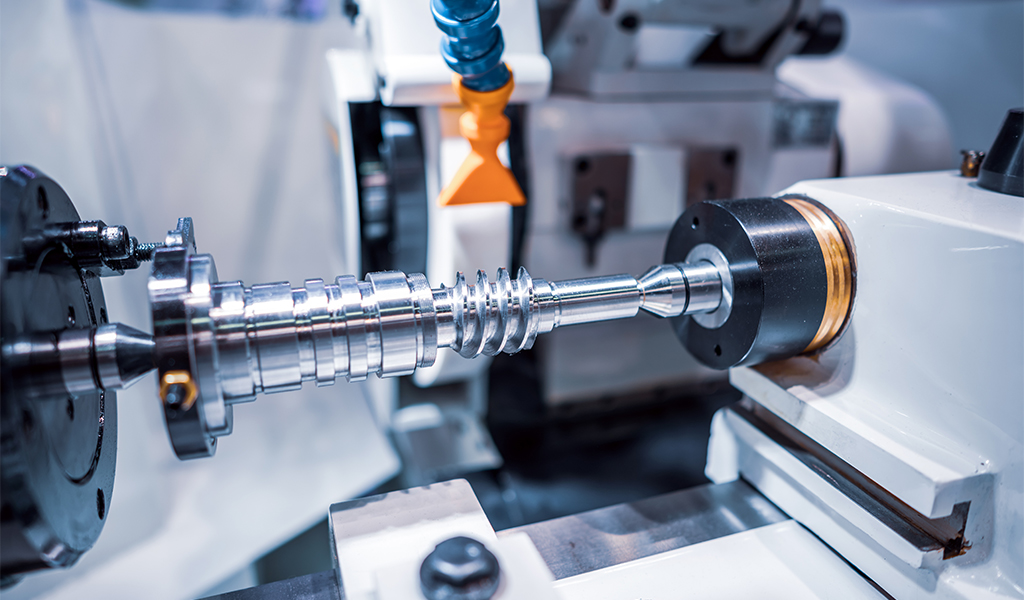
Shenzhen Xiang Xin Yu Technology Co., Ltd. is a premier enterprise specializing in advanced CNC machining, with many years of rich industry experience and outstanding technical strength. We are fully equipped with cutting-edge CNC machine tools and inspection equipment, enabling us to satisfy the processing requirements of various highly complex and precise parts.
Our operational capabilities span several key fields: from critical components in the aerospace industry to high-precision elements in the automotive sector, from fine biocompatible assemblies in medical devices to intricate micro-structural parts in consumer electronics. Through a combination of refined craftsmanship and strict, multi-stage quality control, we deliver high-quality components designed to excel in challenging environments.
The company maintains a strong focus on technical innovation and ongoing talent cultivation. Our professional team consists of highly skilled technicians and engineers who actively research and refine machining techniques. We strive to improve production efficiency, reduce tool wear, and continuously elevate product quality for our global clients.
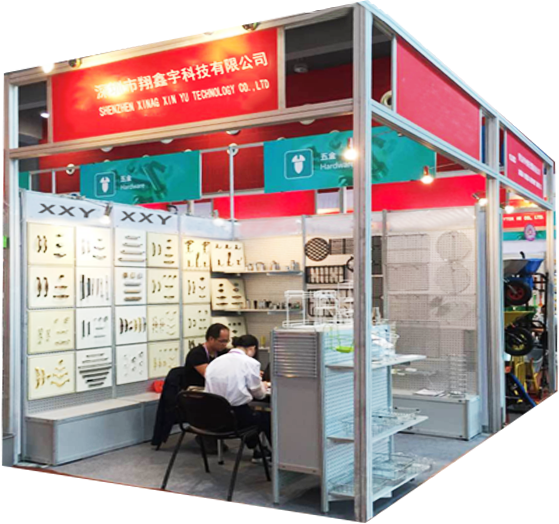
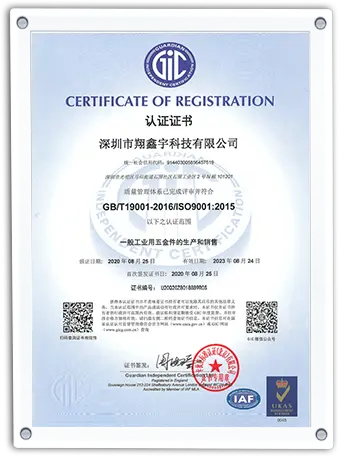
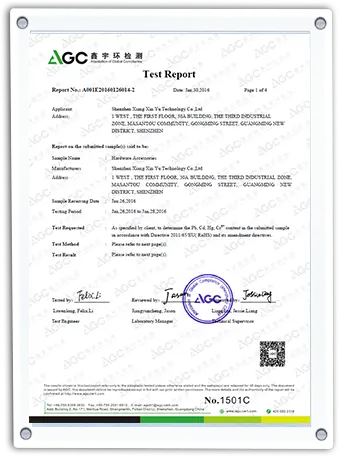
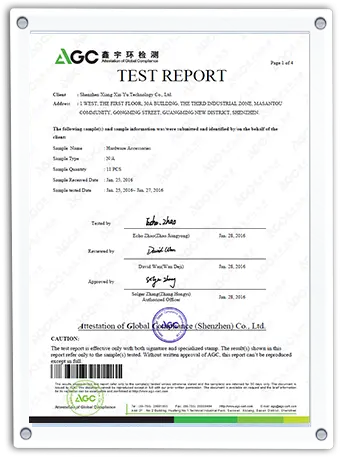
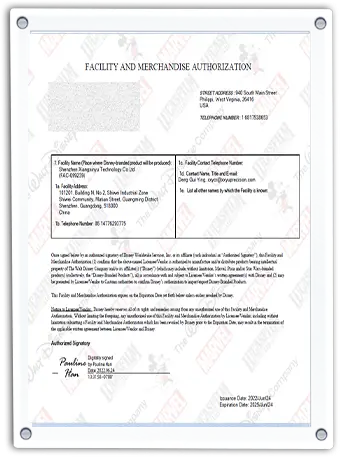
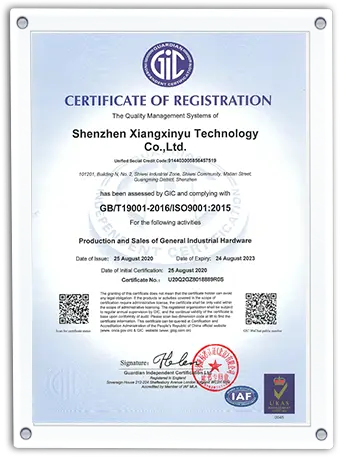
Our commitment to precision is backed by international management systems and certified professional standards, ensuring absolute consistency across every batch.
Our quality management system oversees every phase of production—beginning with raw material procurement and chemical composition verification, through real-time in-process monitoring, and ending with comprehensive finished product validation. By applying strict inspection methodologies, we ensure that every delivered component meets or exceeds the industry-specific requirements of our clients.
We are a certified direct manufacturing partner with capabilities that span multiple high-requirement fields, and our systems are fully documented. This ensures traceability and consistency from billet to finished component.
Direct reference: Chinese direct factory for the silicone oil, MM, and other organosilicone materials, operating under similar rigorous material quality control schemes.
Demonstrates verified technical expertise of our personnel in set-up, operation, and optimization of precision CNC turning machinery.
Verifies the technical proficiency of our operators in handling complex milling programs and configuring tooling parameters for hard metals.
Validates our operators' capacity to manage multi-axis machining centers capable of simultaneous high-precision tooling paths.
Demonstrates mastery of professional programming platforms, including MasterCAM and UG (Unigraphics), ensuring seamless translation of complex customer CAD designs into precise tooling code.
Confirms our capability to run structured, ongoing internal quality audits, keeping our processes aligned with global standard operating procedures and facilitating continuous improvement loops.
Shenzhen Xiang Xin Yu Technology Co., Ltd. is built upon core values that guide our engineering standards and client relationships.
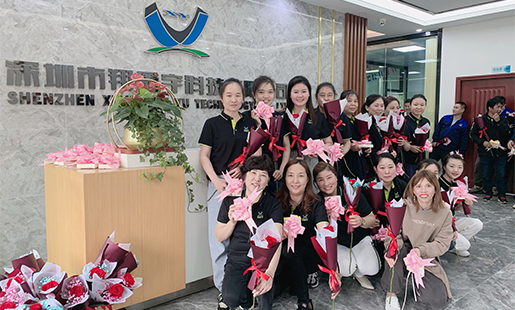
We encourage employees to continuously explore new processing methods and technologies to improve production efficiency, reduce waste, and meet the changing needs of customers.
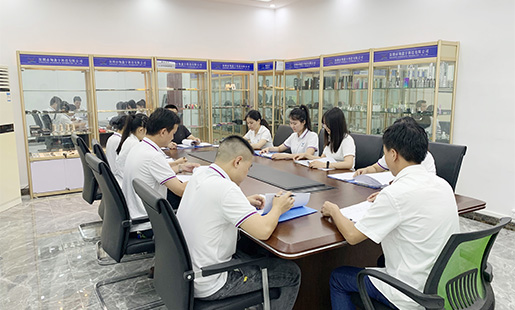
We pursue excellent quality, strictly control every processing link, and strive for zero defects to provide customers with highly reliable products.
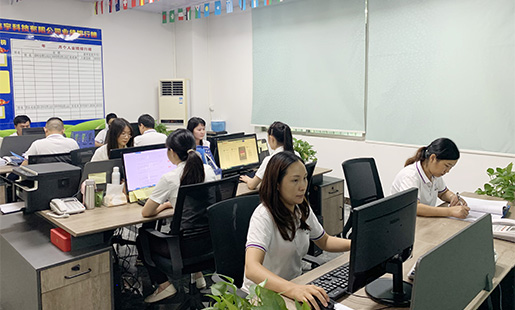
Team members support and collaborate with each other, jointly overcome technical challenges, share experience, and function as a cohesive whole.

We establish honest, long-term relationships with customers and suppliers, honor our commitments, and treat every transaction with fairness.
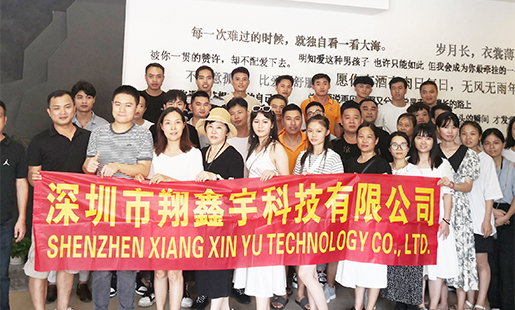
We recognize that every component we manufacture impacts customer safety and product performance. We maintain a high sense of responsibility at every stage.
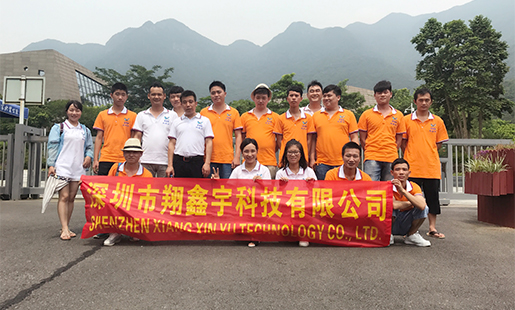
We respect the unique ideas of each employee, provide opportunities for professional development, and value our customers' feedback.
Titanium alloys (specifically Ti-6Al-4V) pose significant manufacturing difficulties due to low thermal conductivity and susceptibility to work hardening. Here is how our engineering methods address these factors.
Due to titanium's low thermal conductivity, heat generated during cutting accumulates on the tool's edge rather than dispersing with the chips. We mitigate this by using high-pressure through-spindle coolant systems (up to 70 bar) to direct fluid directly to the cutting zone, lowering temperatures and extending tool life.
We utilize specialized solid carbide end mills with positive rake angles and optimized relief configurations to reduce friction. PVD coatings such as Titanium Aluminum Nitride (TiAlN) are applied to provide a thermal barrier, safeguarding the carbide core from chemical degradation.
Titanium's relatively low modulus of elasticity makes it prone to deflection under high cutting loads. Our manufacturing processes utilize rigid hydraulic workholding fixtures and heavy-duty machine bases to minimize vibration, maintaining tight tolerances and a high-quality surface finish.
We tailor our manufacturing processes to meet the regulatory, material, and geometric specifications of major global industries.
Weight reduction and structural integrity are critical in aerospace design. We supply Grade 5 (Ti-6Al-4V) components, including structural brackets, landing gear elements, engine components, and custom fasteners. Our production processes conform to tight aerospace specifications, providing full traceability for critical flight hardware.
Biocompatibility and fatigue resistance are essential for medical devices. We machine surgical implants, bone plates, dental abutments, and specialized surgical instrumentation from Grade 23 (Ti-6Al-4V ELI) titanium. Our facilities maintain clean machining conditions to prevent cross-contamination and ensure biocompatibility.
Subsea components operate in highly corrosive environments under extreme pressures. We manufacture downhole tooling components, valves, and offshore sensor housings from corrosion-resistant titanium alloys, helping extend the operational lifespan of deepwater machinery.
For opto-mechanical brackets, signal integrity enclosures, and micro-sensors, we offer high-precision milling and turning. Our capabilities enable us to produce lightweight, dimensionally stable housings that protect sensitive electronics from thermal drift and magnetic interference.
Our long-term engineering focus extends beyond basic machining to include surface enhancement and chemical modification. Developing wear-resistant surfaces on titanium components is a key area of our technical development.
Because titanium is susceptible to galling under friction, we offer several post-machining surface treatments:
We are continuously developing our capabilities to support advanced manufacturing techniques:
Answers to common questions regarding design, material selection, and manufacturing considerations for titanium parts.
Explore our advanced parts range, including biocompatible elements, high-frequency signal casings, and micron-level precision assemblies.
 Xiang Xin Yu