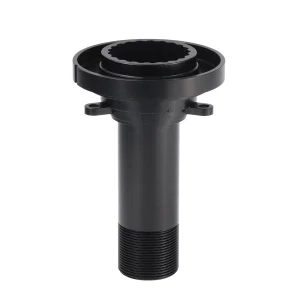
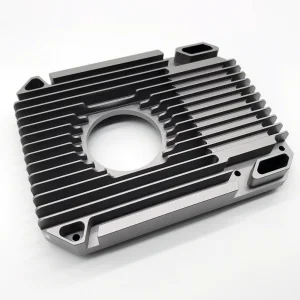
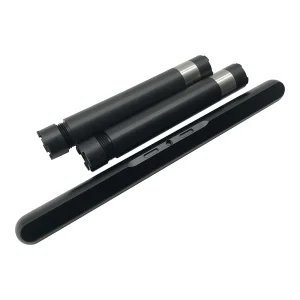
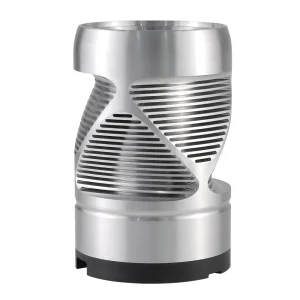
High-fidelity CNC milled and turned parts engineered to global standards. Select a category below to explore specific technical specifications.
Why modern engineers rely on advanced polymer fabrication to bridge the gap between heavy metal designs and high-performance lightweight requirements.
In today's highly competitive industrial landscape, searching for a discount CNC plastic supplier is no longer just about cutting costs. It is about locating a strategic manufacturing partner capable of delivering aerospace-grade tolerances, compliance with strict environmental regulations like RoHS, and reliable mechanical properties at scale. Polymers such as PEEK, PTFE, Delrin (POM-C), and Polycarbonate possess unique thermal expansion and structural attributes that behave completely differently from metals when subjected to high-speed tooling. Understanding how to manage these variances determines the ultimate success of your production run.
At Shenzhen Xiang Xin Yu Technology Co., Ltd., we fuse decades of machining expertise with top-tier industrial capacity. Our facility leverages high-speed spindles and optimized thermal management systems to counter plastic's propensity to deform under machining heat. In this whitepaper, we will analyze the key economic drivers, materials engineering properties, and supply chain strategies that global OEMs rely on to secure high-performance parts at competitive prices.
Global businesses seeking reliable manufacturing efficiencies turn to South China, particularly the Shenzhen engineering hub, for several reasons that go beyond cheap hourly labor. The value proposition of a modern Chinese manufacturer lies in structural vertical integration:
Our proximity to domestic and international advanced polymer distributors means raw stock (such as medical-grade PEEK or conductive PTFE) is sourced faster and cheaper, reducing raw material lead times to nearly zero.
Our factory floor features 3-axis, 4-axis, and multi-axis turn-mill composite tooling setups that allow us to consolidate multiple machining steps into a single setup, drastically reducing machine setup times and cumulative tolerance stacking errors.
Integrating on-machine verification, Coordinate Measuring Machines (CMM), and optical comparator measurements directly into the machining cycle ensures that even discount high-volume orders strictly match engineering drawings.
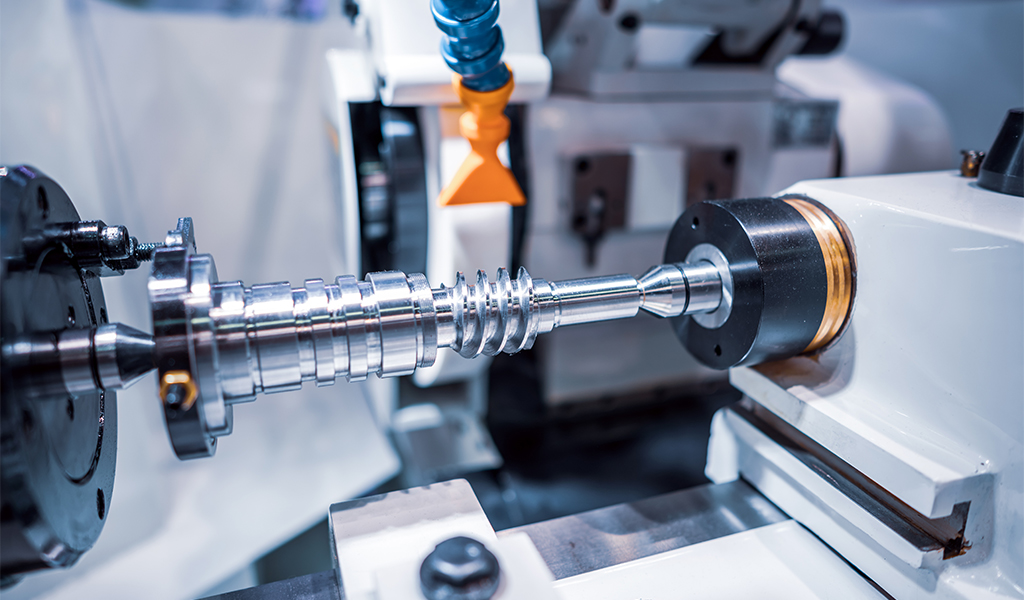
We are an enterprise specializing in CNC machining, backed by many years of industry experience and outstanding technical strength. We are equipped with advanced CNC machine tools and equipment, allowing us to meet the processing requirements of various complex and precise parts. From key components in the aerospace field to high-precision parts in the automotive industry, medical device components, and electronics packaging, we deliver exquisite craftsmanship and strict quality control.
Every engineering plastic possesses distinct properties. Selecting the correct compound prevents stress warping and structural failure.
Ideal for aerospace and medical implants. Resists temperatures up to 250°C and maintains dimensional stability under chemical cleaning or gamma irradiation. Requires carbide or diamond-tipped tools to prevent rapid tool wear.
Features high stiffness, low friction, and exceptional dimensional stability. Widely used for precision gears, bushings, and electrical insulators. Highly machinable, facilitating clean chip formation and smooth surface finishes.
Inert, highly resistant to chemicals, and offers low friction. Commonly used in chemical reactors and semiconductor processing tools. Requires specialized tooling due to its extreme flexibility and susceptibility to deflection during deep cuts.
Different localized application scenarios place varied demands on CNC plastic components. Through custom tooling geometry and optimized feed rates, we configure solutions tailored to these challenges:
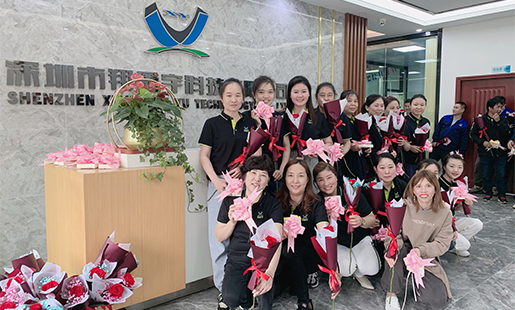
The operational values that define Shenzhen Xiang Xin Yu Technology Co., Ltd. and ensure repeatable accuracy for every global order.
We encourage employees to continuously explore new processing methods and technologies to improve production efficiency and product quality and meet the changing needs of customers.
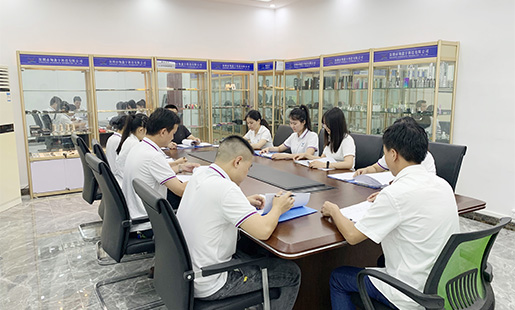
We pursue excellent quality, strictly control every processing link, and strive for zero defects to provide customers with the best products.
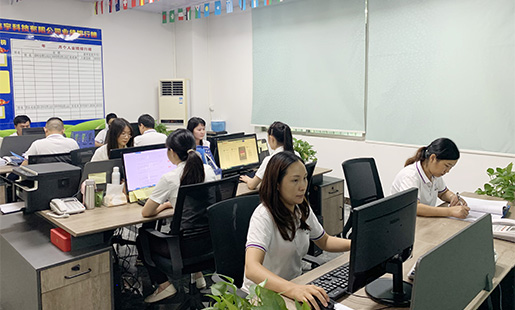
Team members support and collaborate with each other, jointly overcome difficulties, share experiences and knowledge, and form a strong whole.

Establish honest and cooperative relationships with customers and suppliers, keep promises, and treat every business with honesty and fairness.
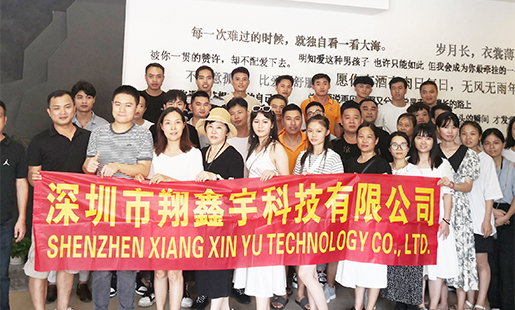
We are well aware that every product is related to the interests and safety of customers. Therefore, we always maintain a high sense of responsibility and take every job seriously.
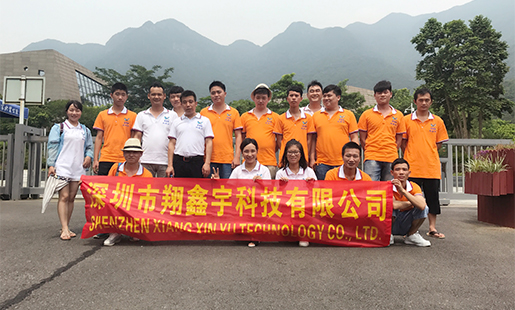
Respect the personality and ideas of each employee, provide a good development space for employees, and also respect the needs and opinions of customers.
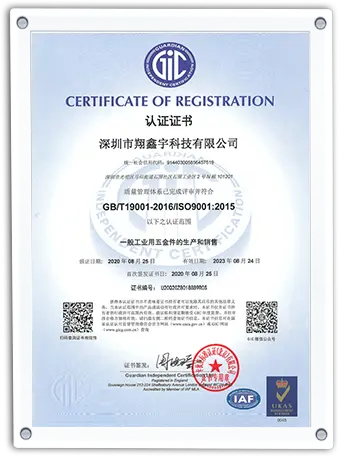
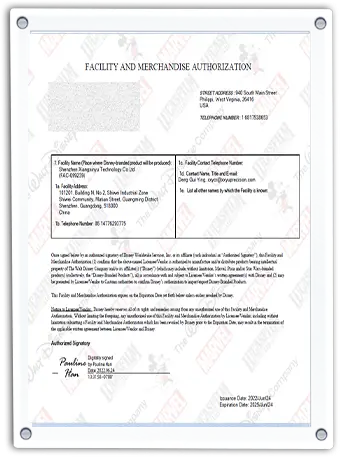
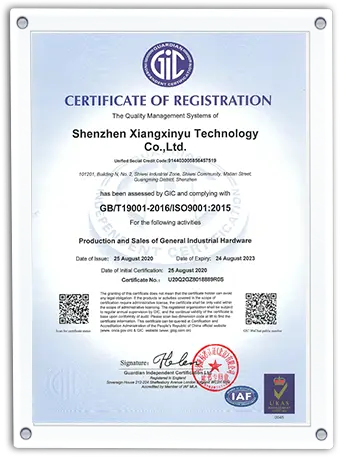
In a CNC machining company, professional certificates are important criteria for measuring the technical strength of the company and the professional quality of employees. Common professional certificates related to CNC machining include:
These professional certificates not only represent the individual professional skills of employees but also reflect the overall technical level and quality assurance ability of the company, helping to enhance the company's competitiveness in the market.
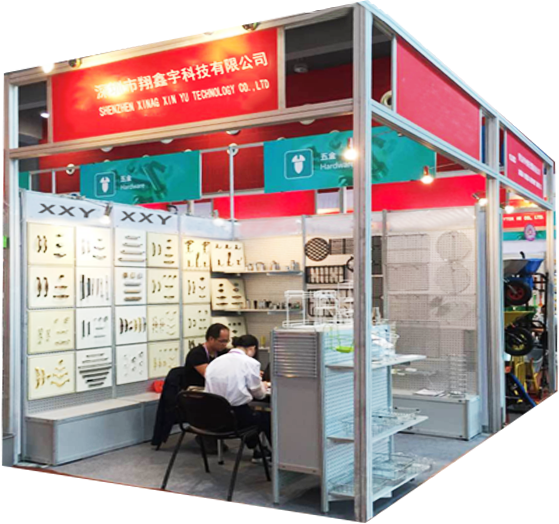
Chinese direct factory for the silicone oil, MM, and other organosilicone materials and precision parts machining verification.
Technical insights on material behavior, toll-gate pricing configurations, and global shipping protocols for custom plastic machined products.
Unlike metals, plastics possess low thermal conductivity and low stiffness, and they exhibit significant thermal expansion. During high-speed routing or milling, heat can accumulate rapidly in the cut zone. If not managed properly through correct feeds, speeds, and coolant selection, the plastic may melt, warp, or crack. Additionally, elastic recovery (springback) requires our engineers to oversize tools slightly when cutting precise holes to meet target tolerances.
Our cost advantages stem from operational efficiency, not quality reduction. By automating tool paths, using multi-axis composite mill-turn centers, and grouping similar polymer setups together, we minimize downtime and material waste. Combined with our direct access to base polymer manufacturers in Shenzhen and automated quality inspection rigs, we transfer these savings directly to our clients.
For high-frequency electrical isolation, we recommend Delrin (POM), PEEK, or Ultem (PEI). These polymers offer excellent dielectric strength, minimal water absorption (which prevents moisture-induced shorting), and outstanding physical rigidity over broad temperature ranges.
We use sharp, highly polished carbide or monocrystalline diamond tools. High tool sharpness ensures clean slicing rather than shearing the material, which reduces friction and chip welding. For clear polymers like Acrylic (PMMA) or Polycarbonate, polished tooling enables near-optical clarity directly off the mill, reducing the need for manual post-polishing.
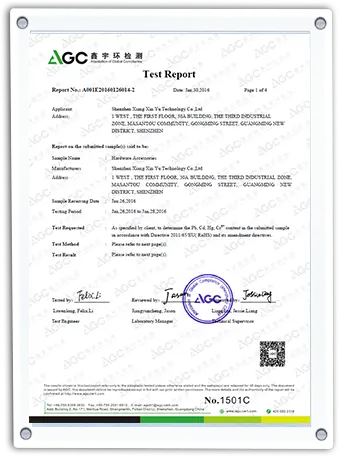
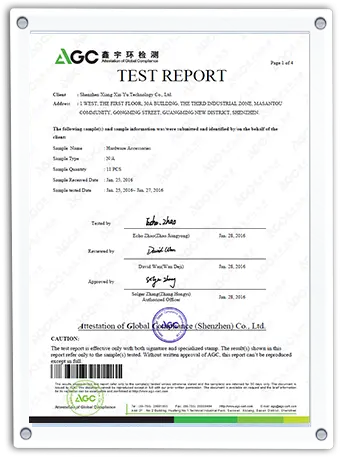
Yes, all raw stocks are sourced from certified global chemical suppliers and come with material certificates. Our production workflows strictly segregate leaded or heavy metal production lines from our polymer lines. We provide comprehensive RoHS compliant reports and material certificates with every delivery.
On our premium high-speed machining centers, we routinely hold tolerances as close as ±0.01 mm for critical dimensions, depending on the part geometry and raw material stability. For highly hydroscopic materials like Nylon, tolerances are negotiated to account for moisture expansion post-machining.
Internal stresses are managed using two primary methods: post-extrusion annealing of raw material stock prior to machining, and utilizing optimized toolpaths with constant chip loads. Annealing relieves residual stresses, ensuring the component remains stable and warp-free after finishing cuts are performed.
Explore our diverse machining competencies, featuring high-speed turning, milling, and complex composite fabrication.
 Xiang Xin Yu