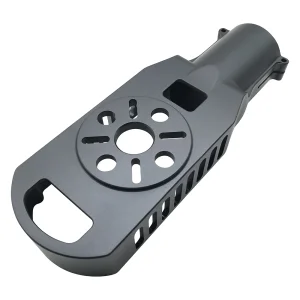
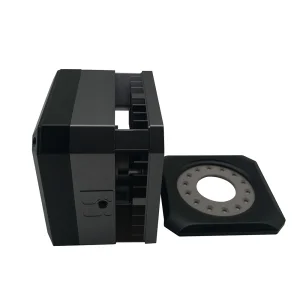
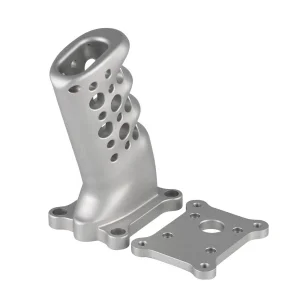
The global precision manufacturing sector is undergoing a massive paradigm shift. As industries push toward electrification, miniaturization, and space-bound exploration, the demand for high-reliability machined metal parts has surged. Precision machining is no longer just a subtractive manufacturing process; it is a foundational component of modern technological scaling.
From aerospace brackets to complex surgical end-effectors, components must withstand extreme environments, rigorous safety checks, and strict certification audits. Historically, procuring these components required a tradeoff between cost, speed, and accuracy. Today, global supply chains require strategic "discount" structures—which in high-precision contexts refers to the elimination of systemic waste, high manufacturing efficiency, and localized cluster integration rather than compromised tolerances.
Western procurement managers in North America and Western Europe face rising domestic labor shortages and soaring tooling costs. Because of this, locating qualified overseas suppliers who possess advanced multi-axis machining capabilities and solid quality management structures is a priority for companies looking to protect their margins.
Why do global OEMs turn to Chinese factories for high-precision custom parts? The answer lies in the deep supply chain clusters of South China's industrial regions, primarily Shenzhen. This ecosystem offers advantages that go far beyond basic labor cost benefits:
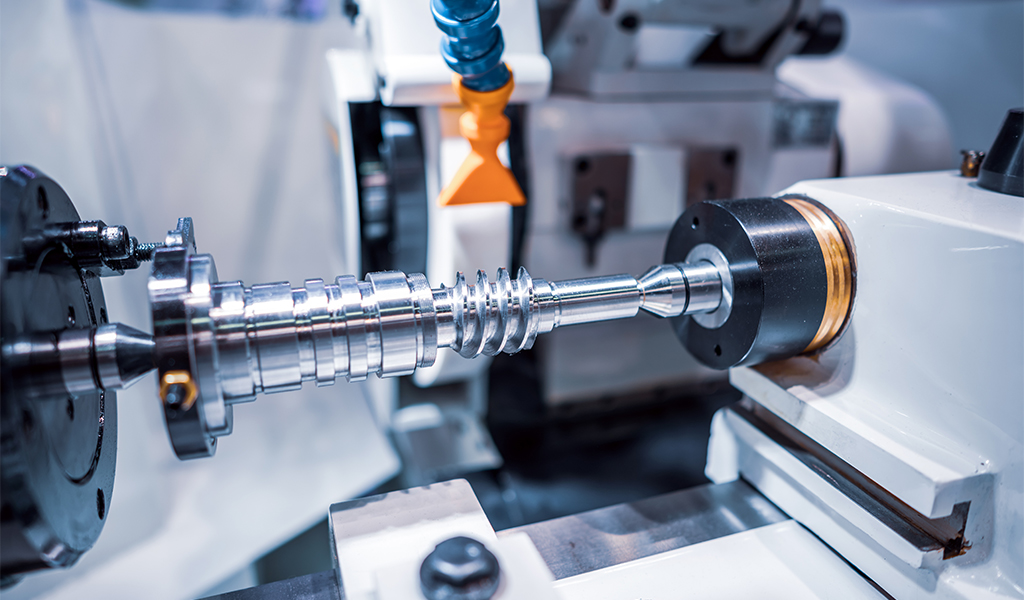
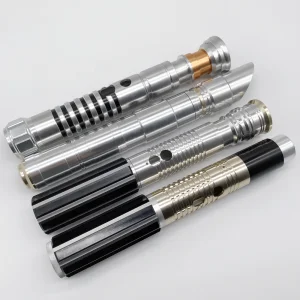
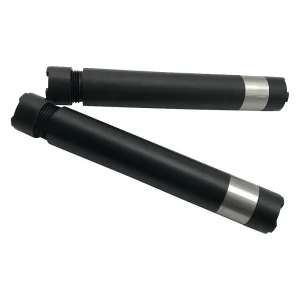
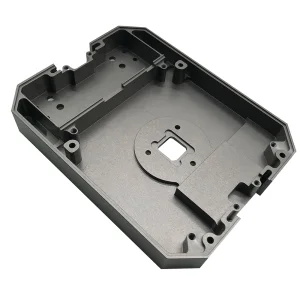
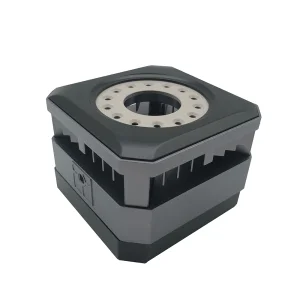
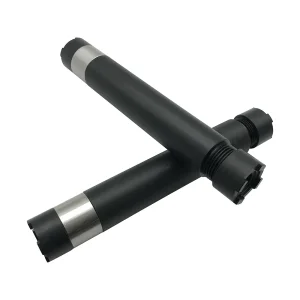
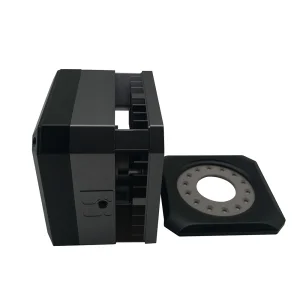
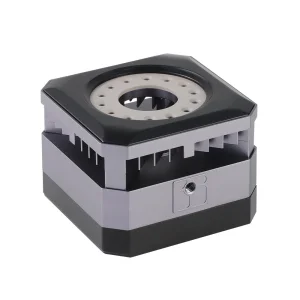
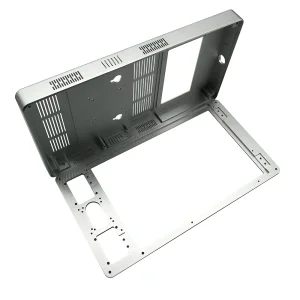
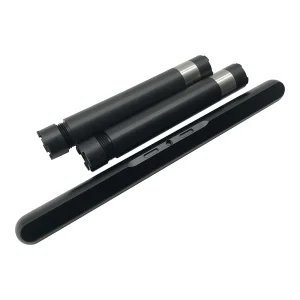
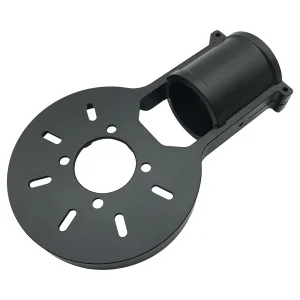
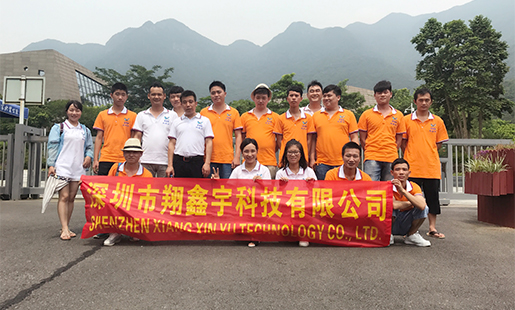
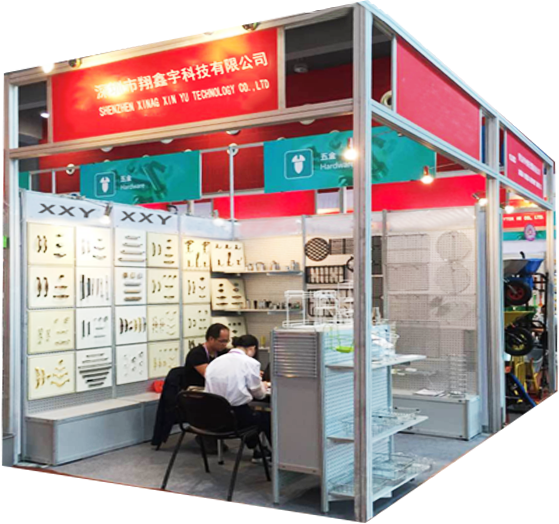
Shenzhen Xiang Xin Yu Technology Co., Ltd. is an enterprise specializing in CNC machining, with many years of industry experience and outstanding technical strength. We are equipped with advanced CNC machine tools and equipment, which can meet the processing requirements of various complex and precise parts. From key components in the aerospace field to high-precision parts in the automotive industry, from fine components in medical equipment to micro-structural parts in the electronics industry, we can provide customers with high-quality products with exquisite craftsmanship and strict quality control.
The company focuses on technological innovation and talent cultivation, and has an experienced and highly skilled professional team. They constantly explore and research new processing techniques and methods to improve production efficiency and product quality. We always adhere to the customer-centered approach, deeply understand customer needs, and provide customers with customized solutions and all-round service support. From order receipt to product delivery, every link is strictly controlled to ensure the timely delivery of high-quality products.
In terms of quality control, we have established a perfect quality management system and strictly manage the purchase of raw materials, production process monitoring and finished product inspection to ensure that each product meets industry standards and customer requirements. In the future, we will continue to uphold the concepts of professionalism, innovation, quality and service, constantly enhance our own strength, provide customers with better CNC machining services, and become a leading enterprise in the industry.
We are a professional CNC machining company, and our corporate culture is built on the following core values:
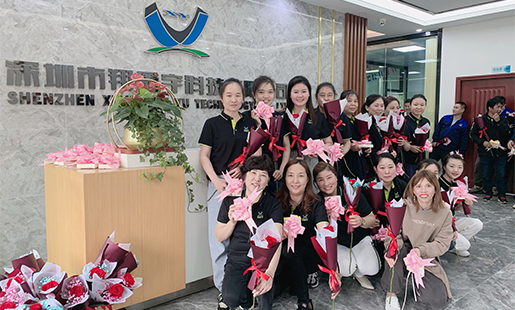
We encourage employees to continuously explore new processing methods and technologies to improve production efficiency and product quality and meet the changing needs of customers.
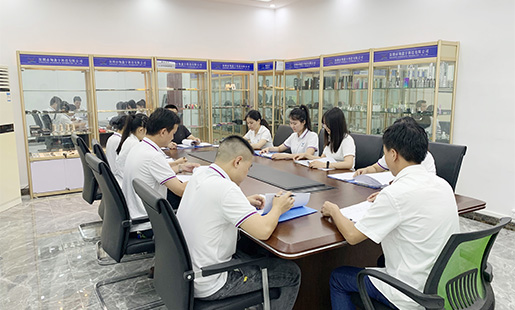
We pursue excellent quality, strictly control every processing link, and strive for zero defects to provide customers with the best products.
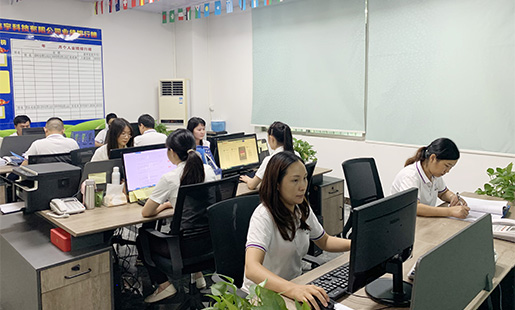
Team members support and collaborate with each other, jointly overcome difficulties, share experiences and knowledge, and form a strong whole.

Establish honest and cooperative relationships with customers and suppliers, keep promises, and treat every business with honesty and fairness.
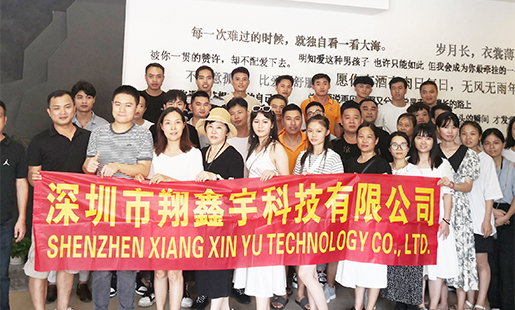
We are well aware that every product is related to the interests and safety of customers. Therefore, we always maintain a high sense of responsibility and take every job seriously.
Respect the personality and ideas of each employee, provide a good development space for employees, and also respect the needs and opinions of customers.
Precision metal parts function as critical components across a wide range of highly regulated industries. Our capabilities allow us to meet the specialized engineering standards required by each sector:
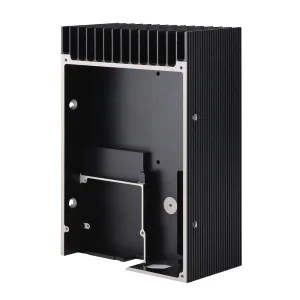
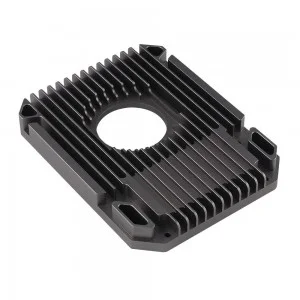
Structural components, engine mounts, and heat sinks machined from high-grade aerospace aluminum (7075-T6) and titanium alloys. We optimize parts for lightweight design while maintaining mechanical integrity under high stress and vibration.
High-precision components such as endoscopic camera parts, orthotic implants, and micro-fluidic control valves. We work with biocompatible materials like Stainless Steel 316L, PEEK, and Nitinol, maintaining tight geometric tolerances down to the micron level.
Diffraction-limited lens mounts, optical rails, and laser housing parts. We provide low-stress structural machining to prevent thermal drift and ensure stable opto-mechanical performance.
Vacuum chamber components, gas distribution manifolds, and wafer handling systems. We utilize high-purity materials and specialized surface finishes to meet nanoscale cleanroom requirements.
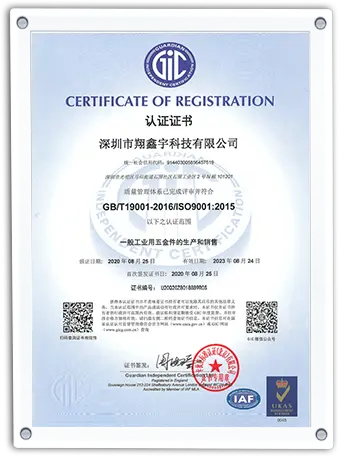
In a CNC machining company, professional certificates are important criteria for measuring the technical strength of the company and the professional quality of employees. Common professional certificates and standards related to CNC machining include:
These professional certificates not only represent the individual professional skills of employees but also reflect the overall technical level and quality assurance ability of the company, helping to enhance the company's competitiveness in the market.
Chinese direct factory for the silicone oil,MM,and other organsilicone materials
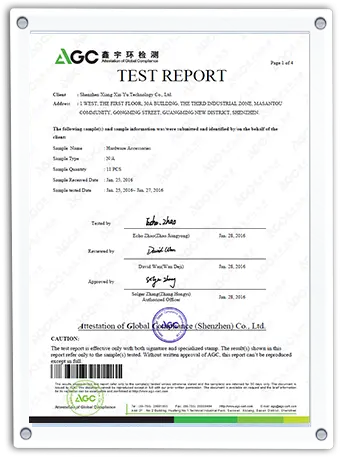
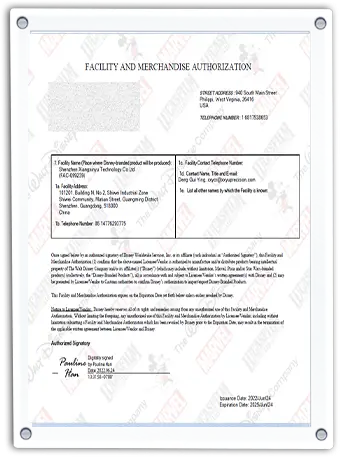
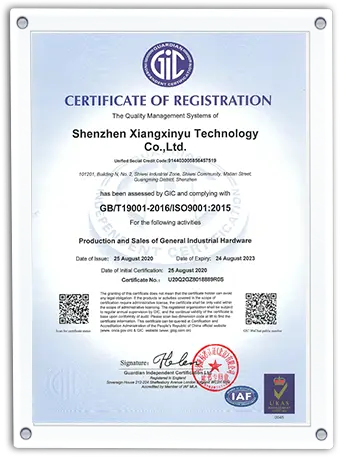
Procuring metal parts from overseas suppliers involves more than comparing unit prices on an RFQ sheet. To achieve a low Total Cost of Ownership (TCO) while ensuring product quality, industrial buyers should evaluate potential partners using this key framework:
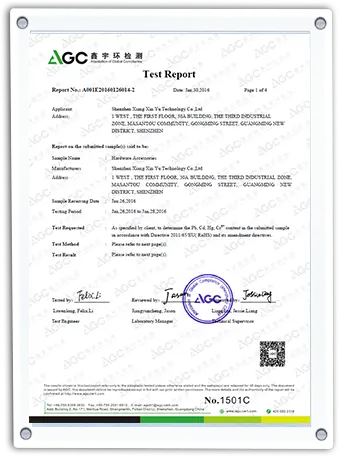
Ensure your supplier provides raw material mill test reports (MTRs) and independent material analyses. Lower-quality raw material can lead to tool breakage, high scrap rates, or early part failure in the field.
A machine shop is only as accurate as its metrology tools. Ask suppliers to show proof of their calibration records for Coordinate Measuring Machines (CMM), optical comparators, profile projectors, and surface roughness gauges.
Experienced suppliers do not just execute prints—they offer constructive feedback. By reviewing sharp internal corners, deep pockets, or overly tight tolerances, we help clients simplify operations and lower overall production costs.
Geopolitical changes require flexible logistics. We work with sea, air, and express couriers, and offer warehouse options to protect our global partners against shipping delays and supply chain disruptions.
Precision manufacturing is evolving toward digital solutions. Modern shop floors utilize CAD/CAM digital twin software to simulate milling cycles and detect collisions before the physical spindle starts spin. Additionally, simultaneous 5-axis machining allows us to finish complex geometries in a single setup, reducing geometric tolerances and eliminating nesting variations.
By connecting ERP networks directly to machines, we can track tool life and monitor cycle run times in real-time, resulting in consistent part quality and predictable lead times.
Find answers to common questions about our capabilities, precision tolerances, and quality control systems.
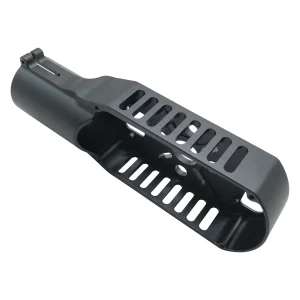
 Xiang Xin Yu